Claim Your Free Estimate Today
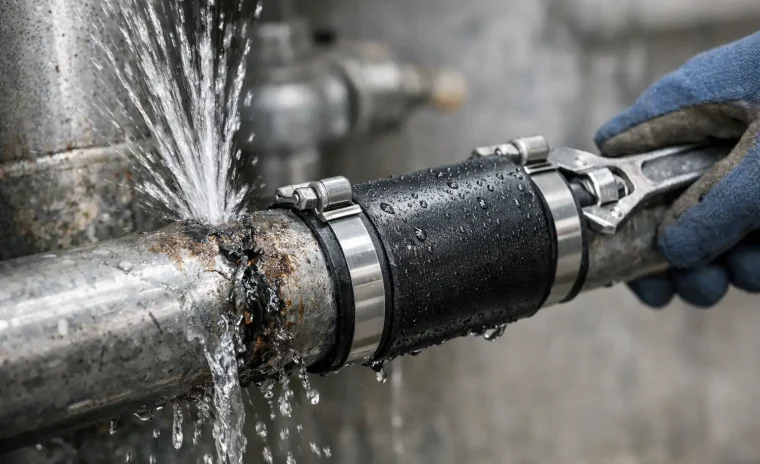
A water spot spreading across the ceiling, a sudden drop in water pressure, or a wet patch beside the foundation is not a problem to watch for another week. Pipe repair is most effective when it begins with an accurate diagnosis, before a small failure turns into damaged drywall, mold growth, high water bills, or a sewer-related sanitation issue.
For Tucson-area homes and businesses, the right repair depends on where the pipe is located, what it carries, its material and condition, and why it failed. A visible drip under a sink may need a straightforward connection repair. A recurring slab leak or corroded water line calls for a wider look at the plumbing system. The goal should be more than stopping water for the moment. It should be restoring reliable service and reducing the chance of the same problem returning.
Signs You May Need Pipe Repair
Some pipe failures are obvious. Others stay hidden behind walls, under floors, or below the slab while damage builds slowly. Acting on the early signs can limit disruption and give you more repair options.
Watch for water stains, peeling paint, warped flooring, musty odors, or unexplained damp areas. A water meter that continues moving when all fixtures are off can point to a hidden water leak. You may also notice a sharp increase in your water bill, reduced pressure at several fixtures, or the sound of water moving when no one is using it.
Drain and sewer pipe problems bring a different set of warnings. Repeated clogs in more than one fixture, gurgling toilets, slow drains throughout the building, sewage odors, or water backing up into a shower or floor drain should be addressed promptly. Chemical drain cleaners may briefly open a small blockage, but they do not repair a cracked, offset, root-intruded, or deteriorated pipe. In some cases, they can make the situation worse.
Commercial properties should take these symptoms especially seriously. A backup in a restroom, kitchen, or tenant space can interrupt operations, create cleanup costs, and affect customers or employees. Quick action matters, but the repair still needs to address the actual source of the failure.
Why Pipes Fail in Southern Arizona
Pipes do not fail for one universal reason. Age is a common factor, particularly in homes with older galvanized steel, cast iron, or aging copper lines. Over time, corrosion can thin pipe walls from the inside. Joints can weaken, and mineral scale can restrict water flow.
Hard water is also part of the equation in Southern Arizona. Minerals can accumulate in water lines, fixtures, and water-using appliances. Scale alone does not always mean a pipe must be replaced, but it can contribute to poor flow and expose problems in an already aging system.
Movement in the ground, shifting support beneath a pipe, and root growth around underground sewer lines can cause cracks, separations, or bellies where waste and paper collect. Poor original installation can also surface years later, especially when a line lacks proper slope or was connected with incompatible materials.
A single pinhole leak in copper may be isolated. Multiple leaks appearing in different locations over a short period often tell a larger story. Repeated spot repairs can be reasonable when the rest of the system is sound. When the pipe material is broadly deteriorating, however, continually repairing one weak area after another may cost more and create more disruption than a planned repipe or line replacement.
The Right Diagnosis Comes Before the Repair
A dependable repair starts with locating the problem and understanding its condition. Guesswork can lead to unnecessary openings in walls or floors, missed damage, and a repair that solves only the symptom.
For pressurized water lines, leak detection can help identify the location of a hidden failure with less invasive investigation. The technician may check pressure, inspect exposed plumbing, review meter activity, and use specialized detection methods to narrow down the source. The repair plan should account for access, pipe material, the extent of corrosion, and any water damage that needs attention.
For drain and sewer lines, a camera inspection can reveal what is happening inside the pipe. It can identify root intrusion, grease buildup, cracks, offsets, collapsed sections, and damaged joints. Hydro jetting may clear heavy buildup and restore flow when the pipe itself remains structurally sound. If the camera shows a broken or deteriorated line, cleaning alone is not a lasting answer.
Before work begins, property owners deserve clear options. That means explaining what was found, which repair is recommended, what access is required, and whether there is a more durable alternative worth considering. A low upfront price is not a bargain if the same leak or backup returns soon after.
Common Pipe Repair Options
The proper pipe repair method depends on the diagnosis. An accessible leak at a fitting, valve, or short damaged section may be repaired by removing the failed portion and installing new, compatible material. This can be an efficient solution when the surrounding pipe is in good condition.
When water piping has widespread corrosion, low pressure, or recurring leaks, whole-home repiping may be the more practical long-term option. It is a larger project, but it replaces aging sections systematically rather than waiting for the next weak point to fail. Planning the work also gives homeowners more control over scheduling and restoration.
Underground sewer repairs may require excavation when a section has collapsed, has severe grade problems, or cannot be rehabilitated. In other cases, trenchless sewer lining can create a new pipe within an existing damaged line, reducing the need to disturb landscaping, hardscape, or finished areas. It is not right for every pipe, which is why camera findings and pipe condition matter.
There is no one-size-fits-all answer. A targeted repair can make sense for a newer system with a localized problem. A replacement or lining solution may better protect an older system with repeated failures. The best choice balances immediate needs, long-term reliability, access conditions, and the condition of the entire line.
What to Do While You Wait for a Plumber
If a water line is actively leaking, shut off the nearest fixture valve if possible. If the leak cannot be isolated, use the main water shutoff for the property. Move belongings away from the area, place a container under a manageable drip, and avoid using electrical equipment near standing water.
For a suspected sewer backup, stop running water and do not flush toilets until the line has been evaluated. Continuing to use fixtures can force more wastewater into the affected area. Keep people and pets away from contaminated water, particularly if sewage has entered a living space or business area.
Avoid wrapping a leaking pipe with tape and assuming the problem is resolved. Temporary measures can buy a little time, but they do not correct corrosion, a split pipe, failed joint, or pressure-related issue. They may also hide the severity of the leak until more damage has occurred.
Repairs Built for Long-Term Performance
Good plumbing work is not only about the pipe itself. It also includes protecting the property during service, keeping the work area organized, testing the repair, and confirming that water or waste is flowing as it should. Restoration requirements, access points, and any recommended follow-up should be explained plainly before the job starts.
Acclaimed Drain And Plumbing Solutions LLC provides pipe and drain repairs with the focus where it belongs: finding the underlying condition and completing work designed to last. With more than 20 years of experience, the team can explain clear options for residential and commercial properties, including emergency situations where fast action helps limit damage.
If a leak, pressure problem, or recurring drain issue is disrupting your property, do not wait for it to become a larger repair. A professional inspection can turn uncertainty into a defined plan, protect the areas around the failure, and help keep your plumbing system working the way it should.