Claim Your Free Estimate Today
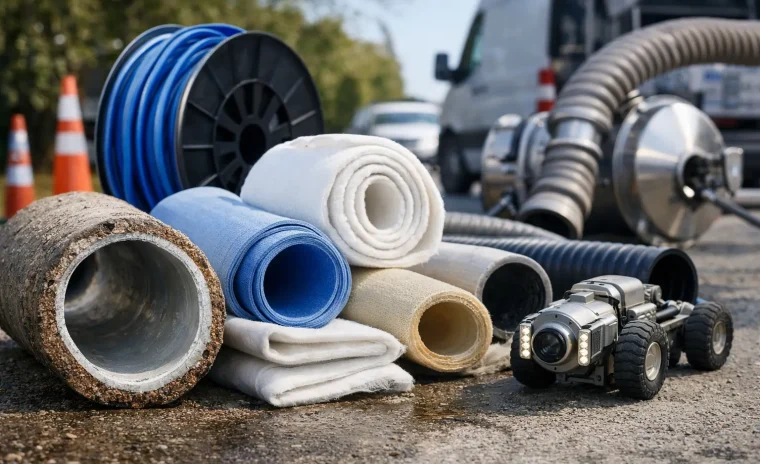
A sewer line can appear to fail overnight: a toilet bubbles, a shower drain backs up, or wastewater reaches a cleanout outside. Usually, the pipe has been declining for much longer due to root intrusion, cracks, shifting soil, corrosion, or a sag that holds waste in the line. The best options for sewer lining depend on the pipe’s actual condition, not just the symptom that brought the problem to your attention.
For many Tucson-area homes and commercial properties, trenchless lining can restore a damaged sewer without digging a long trench through landscaping, concrete, flooring, or parking areas. It is not the right answer for every sewer issue, however. A camera inspection and a clear explanation of the findings should come before any repair recommendation.
Start With the Cause, Not the Backup
A recurring backup is a sanitation concern and a warning sign. Snaking may reopen a blocked line, but it does not repair separated joints, a collapsed section, or roots entering through a crack. Hydro jetting can remove heavy buildup and roots in appropriate pipes, yet it also cannot correct a pipe that has lost its shape or slope.
The first step is locating the problem with a sewer camera. The inspection shows where the defect is, how much pipe is affected, whether the line still has a usable path, and whether a liner can pass through it. It also helps distinguish a sewer-line problem from a localized drain issue inside the building.
A dependable contractor should explain what the camera found in plain language. Ask to see the footage or images, and ask whether the issue is a crack, root intrusion, offset joint, corrosion, belly, or collapse. Those details change the repair plan.
Best Options for Sewer Lining
Sewer lining creates a new pipe inside the existing pipe. The new liner is typically a resin-saturated material that hardens in place, sealing cracks and joints while restoring a smoother interior path for wastewater. The method can be highly effective, but the best liner type depends on the length and condition of the damaged area.
Full-Length Cured-in-Place Pipe Lining
Cured-in-place pipe, commonly called CIPP, is the most common trenchless option for a sewer line with damage across a substantial run. After the pipe is cleaned and prepared, a flexible liner saturated with resin is installed through an access point. It is inflated or otherwise held against the host pipe until it cures into a durable, jointless pipe within the old one.
This approach is often a strong choice when the existing line is cracked, root-damaged, corroded, or leaking at multiple joints but still generally open and structurally intact enough to accept the liner. It can protect landscaping and reduce restoration work compared with conventional excavation. For a home with a sewer running beneath a driveway, patio, mature desert landscaping, or interior slab, avoiding extensive digging can make a meaningful difference.
The trade-off is that the line must be thoroughly cleaned, and severe collapses or major misalignment may prevent installation. Proper preparation matters. Lining over roots, grease, scale, or loose pipe material is not a long-term repair.
Sectional Sewer Lining
A sectional liner repairs one defined damaged area rather than relining the entire sewer. It may be a practical option when a camera inspection finds a single crack, separated joint, small root intrusion point, or localized leak while the remaining pipe is in good condition.
Sectional repair can control costs and limit the work to the part of the line that needs attention. It is especially useful when the defect is accessible from an existing cleanout and the rest of the sewer has been inspected and shown to be sound.
There is a limit to this approach. If an older pipe has failures in several places, repairing only one spot may simply move the next problem down the line. A candid recommendation should account for the pipe’s overall age, material, and remaining service life, not just the most visible defect.
Small-Diameter and Branch Drain Lining
Some lining systems are designed for smaller drain pipes, such as branches serving kitchens, bathrooms, or commercial fixtures. These can help when opening walls, removing cabinets, or cutting into floors would be disruptive. They are more specialized than a main sewer liner and require careful evaluation of pipe size, fittings, access, and the exact condition inside the line.
For commercial facilities, this option may help reduce downtime in certain situations. A restaurant, retail space, or multi-unit property still needs a repair plan that considers use patterns, grease exposure, and access for future maintenance. A lined branch drain can be useful, but it should not be presented as a cure for every drainage issue in a busy building.
Pipe Bursting or Conventional Replacement
Pipe bursting is trenchless, but it is not sewer lining. It replaces the old pipe by pulling a new pipe through the existing path while breaking apart the failed line. Conventional excavation removes and replaces the pipe through an open trench.
These options become necessary when the original sewer is crushed, heavily offset, back-pitched, too deteriorated to clean, or unable to hold a liner. If wastewater is standing in a significant belly because the pipe slope has failed, lining may seal the pipe but will not correct the grade. Replacing that section is often the repair that actually restores reliable flow.
Excavation can sound like the least desirable choice, but it is sometimes the most durable and honest solution. The goal is not to sell a trenchless method at all costs. The goal is to correct the underlying condition with the least disruption that still allows the work to be done right.
What Determines the Right Repair?
Before choosing between lining and replacement, the inspection should answer four practical questions:
- Is the pipe open enough to clean and prepare?
- Is the damage localized or spread across the line?
- Does the sewer maintain proper slope for wastewater to flow?
- Will the repair preserve enough pipe diameter for the property’s use?
Liners slightly reduce the inside diameter of the existing pipe. In a properly sized residential sewer, that reduction is often not a problem, especially because the finished liner has a smooth interior. But size, pipe condition, fixture load, and commercial usage all need to be considered.
The pipe material also matters. Cast iron may corrode and develop rough interiors. Clay pipe often suffers from root intrusion at joints. Orangeburg pipe can deform and deteriorate in ways that make lining less predictable. Plastic pipe may crack, shift, or separate. A camera inspection identifies the material and provides the information needed to discuss realistic options.
Why Preparation and Verification Matter
A sewer liner is only as dependable as the work performed before and after installation. Cleaning may involve cutting roots, removing scale, or hydro jetting buildup. The contractor must confirm that the pipe is clear enough for the liner and that service connections can be properly reopened after curing.
A post-repair camera inspection is equally valuable. It verifies that the liner is continuous, connections are open, and the repaired area has the intended shape. This is the kind of documentation that gives homeowners, landlords, and facility managers confidence in what was completed.
Clean workmanship matters outside the pipe as well. Sewer repair can be disruptive, but organized scheduling, protective measures around the work area, and clear communication reduce unnecessary stress. If a backup is active, ask about immediate steps to protect the property while the permanent repair is being planned.
When to Call for a Sewer Evaluation
Do not wait for a full backup if you have repeated slow drains, toilet gurgling, sewage odor near the yard or cleanout, wet spots over the sewer path, or roots returning after repeated drain cleaning. These symptoms can point to a sewer that is still functioning but heading toward a larger failure.
Acclaimed Drain And Plumbing Solutions LLC can inspect the line, identify the real cause, and provide clear options for sewer lining or replacement. With more than 20 years of experience, the focus is on a repair that addresses the condition inside the pipe rather than a temporary reopening of the drain.
A clear camera diagnosis gives you the information to make a sound decision before a sewer problem damages floors, landscaping, inventory, or daily operations. Whether lining is the right fit or replacement is necessary, the best next step is a repair plan built around the actual condition of your line.