Claim Your Free Estimate Today
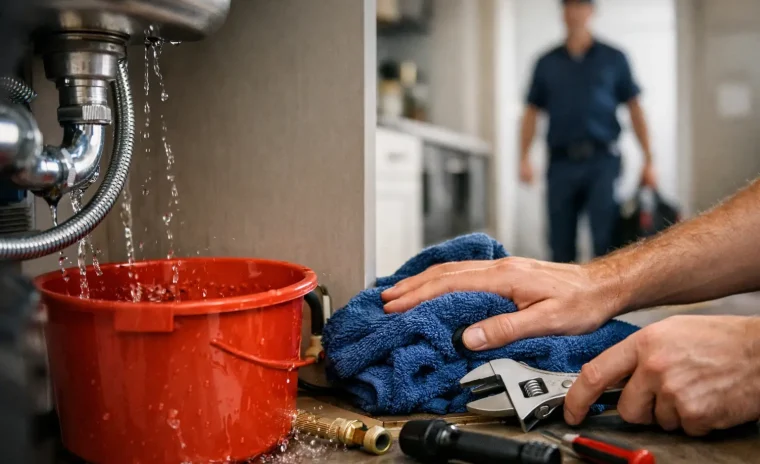
A burst supply line can soak drywall in minutes. A sewer backup can turn a bathroom, kitchen, or business restroom into a sanitation problem just as quickly. Emergency plumbing is not simply about getting water moving again. It is about protecting people, preventing further property damage, and finding the condition that caused the failure.
For homeowners and property managers across Southern Arizona, the right first moves can make a major difference while a plumbing professional is on the way. Knowing which valve to close, what not to use, and when to keep people away from the affected area helps control the situation without creating a larger repair.
What Counts as an Emergency Plumbing Problem?
Not every drip requires an after-hours call. A faucet that drips into a sink or a slow drain that has been acting up for weeks can usually be scheduled for repair. The situation changes when water is actively damaging the property, sewage is present, a fixture cannot be shut off, or an essential system has failed.
A sudden loss of hot water may be urgent when a water heater is leaking, making unusual noises, or showing signs of pressure trouble. A simple heating issue may be able to wait until regular service hours, but standing water around the unit should not. Water heaters combine water pressure, heat, and in some homes gas or electrical components. They deserve prompt attention when something is leaking or operating abnormally.
Sewer problems require extra caution. If wastewater comes up through a shower, tub, floor drain, or toilet, stop using water throughout the building. Flushing another toilet or running a washing machine can force more wastewater out of the lowest opening. This is especially important in single-story homes, older properties, and commercial buildings with heavily used restrooms.
First Steps During an Emergency Plumbing Call
The goal is to stabilize the property, not to diagnose the entire plumbing system yourself. Start by protecting people from contaminated water, slippery surfaces, and electrical hazards. Then reduce the water source if it can be done safely.
If a single fixture is overflowing or leaking, use the fixture shutoff valve when available. Toilet shutoff valves are usually located near the wall behind the toilet. Sink shutoffs are often inside the cabinet below the fixture. For a burst pipe, major leak, or water that cannot be isolated, turn off the main water supply to the building. Many homes have the main shutoff near the water meter, at the front of the property, or where the main line enters the house. Commercial properties may have a dedicated mechanical room or utility area.
Take these practical steps while waiting for help:
- Shut off the closest water valve, or the building’s main water supply for a major leak.
- Keep water away from outlets, extension cords, electrical panels, and plugged-in appliances.
- Stop using drains, toilets, dishwashers, and laundry equipment if sewage is backing up.
- Move rugs, boxes, furniture, and other absorbent belongings out of the wet area when it is safe to do so.
- Take photos of visible damage and the affected area before cleanup, especially for insurance documentation.
For a toilet overflow caused by a suspected clog, remove the tank lid and close the flapper at the bottom of the tank if water continues to rise. Then close the toilet’s supply valve. Do not keep flushing to test whether the clog has cleared. Repeated flushing is one of the fastest ways to turn a contained blockage into floor damage.
When to Avoid DIY Plumbing Repairs
A plunger can be useful for a minor toilet clog, and a bucket can help contain a small leak. Beyond that, emergency repairs often require more than force or a drain cleaner. Chemical drain products can damage certain pipe materials, create dangerous fumes, and leave corrosive liquid in the line for the technician who must later open it. They also do little for root intrusion, a broken sewer line, heavy grease buildup, or an object lodged deeper in the drain.
Avoid using a store-bought drain snake aggressively in a sewer line or older plumbing system. The cable can get stuck, damage a fixture, or push a blockage farther into the pipe. If several fixtures are draining slowly, or water appears in a tub when a toilet is flushed, the issue is likely beyond one fixture trap. It may involve the main sewer drain.
Do not attempt to repair a water heater leak by disabling safety components or tightening connections without knowing the source. A leaking temperature and pressure relief valve, failed expansion tank, corroded tank, or loose fitting can look similar from the outside, yet each needs a different repair. A clear diagnosis prevents a temporary fix from becoming a safety concern.
Why the Cause Matters as Much as the Cleanup
Emergency symptoms are often only the visible part of the problem. A pipe may burst because of corrosion, age, excessive pressure, or a weak prior repair. A sewer backup may come from tree roots, scale buildup, a collapsed section of pipe, grease accumulation, or a damaged line offset underground. Clearing the immediate blockage without identifying the condition of the pipe can leave the property vulnerable to another backup.
This is why professional emergency plumbing should begin with an organized assessment. The technician should identify the affected system, isolate the problem, explain what is known, and provide clear options before major work begins. Depending on the issue, that may involve leak detection, drain camera inspection, hydro jetting, sewer repair, pipe replacement, or a water heater repair or replacement recommendation.
For example, hydro jetting can restore flow when grease, mineral scale, sludge, or recurring buildup is coating a drain line. It is not automatically the right answer for every pipe. A damaged or severely deteriorated sewer line may first need camera inspection to confirm that high-pressure cleaning is appropriate. The right method depends on pipe condition, the cause of the blockage, and the long-term repair plan.
Emergency Plumbing for Commercial Properties
For a restaurant, retail space, office, rental property, or multi-unit building, plumbing trouble can interrupt operations and affect customers, tenants, and employees. A backed-up restroom may need to be closed immediately. A leak above a ceiling can threaten inventory, electrical systems, or occupied spaces. Fast action matters, but so does keeping the repair organized.
Property decision-makers should know the location of main shutoff valves, backflow assemblies, cleanouts, water heaters, and utility rooms before an emergency occurs. It also helps to keep maintenance records for recurring drain issues and prior sewer repairs. Those details can shorten diagnosis and help determine whether the same section of plumbing is failing again.
A dependable contractor will work to limit interruption, protect the job site, and explain whether a short-term restoration can safely be followed by scheduled permanent work. In some cases, a business needs immediate drain clearing to reopen safely, followed by a camera inspection or repair plan after operations settle down. That is a reasonable trade-off as long as the underlying condition is not ignored.
Reducing the Chance of the Next Emergency
Some plumbing failures cannot be predicted, but recurring warning signs should not be brushed aside. Slow drains, gurgling toilets, foul drain odors, unexplained water bills, damp spots, reduced water pressure, and rust-colored water all deserve attention before they become urgent.
Older Tucson-area homes may also face hard-water buildup that restricts fixtures, affects water heaters, and contributes to wear in plumbing components. Homes with aging supply lines or repeated pinhole leaks may benefit from a broader evaluation rather than another isolated patch. The same principle applies to sewer lines that need frequent snaking. Repeated service calls are often a sign that the pipe needs a more durable solution.
Acclaimed Drain And Plumbing Solutions LLC approaches urgent repairs with the same focus used for scheduled work: identify the real cause, provide clear options, and complete clean workmanship built for reliable performance. With more than 20 years of experience, the team can help homeowners and commercial properties address leaks, backups, drain failures, and water heater concerns without guesswork.
When water or sewage is threatening your property, act quickly, shut off what you can safely control, and keep the affected area clear. A prompt, well-diagnosed repair can protect more than pipes – it can protect the home or business that depends on them.