
Claim Your Free Estimate Today
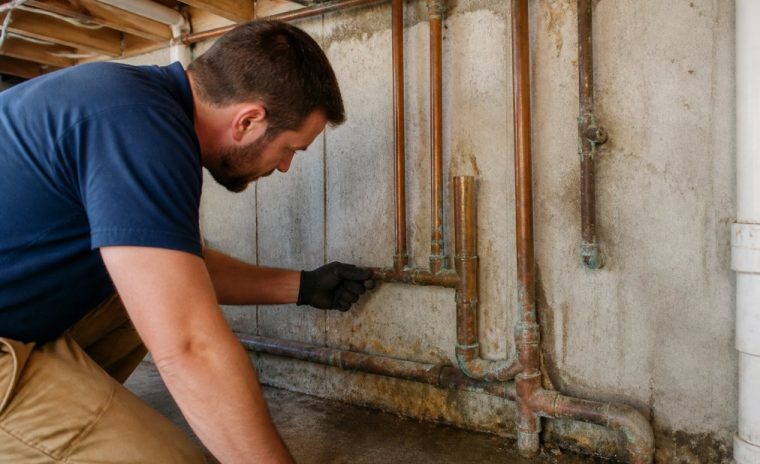
Table of Contents
- Why Homes From the 1980s Face Unique Plumbing Risks
- Signs of Plumbing Failure in Older Homes
- The Polybutylene Pipe Problem in 80s Construction
- PEX vs Copper Repiping: Which Material Fits Your Home?
- Polybutylene Pipe Replacement Cost: What to Budget
- Full Repipe vs. Partial Repiping: Making the Call
- How Repiping Affects Home Value and Insurance
- Conclusion: Is Repiping Necessary for 80s Homes?
- Frequently Asked Questions
Last Updated: September 8, 2026
Why Homes From the 1980s Face Unique Plumbing Risks
Whether repiping is necessary for 80s homes comes down to the materials builders used that decade: polybutylene pipes, galvanized steel, or copper joined with lead-based solder. Each carries distinct failure risks homeowners then did not anticipate.
Polybutylene was marketed as the future of plumbing: cheap, flexible, and easy to install. But it reacts poorly with chlorine and other oxidants in municipal water, becoming brittle and flaking from the inside out, causing pinhole leaks and sudden failures with little warning.
Understanding your home’s material history is the first step in deciding whether repiping is necessary for 80s homes or if your system still has service life left.
Signs of Plumbing Failure in Older Homes
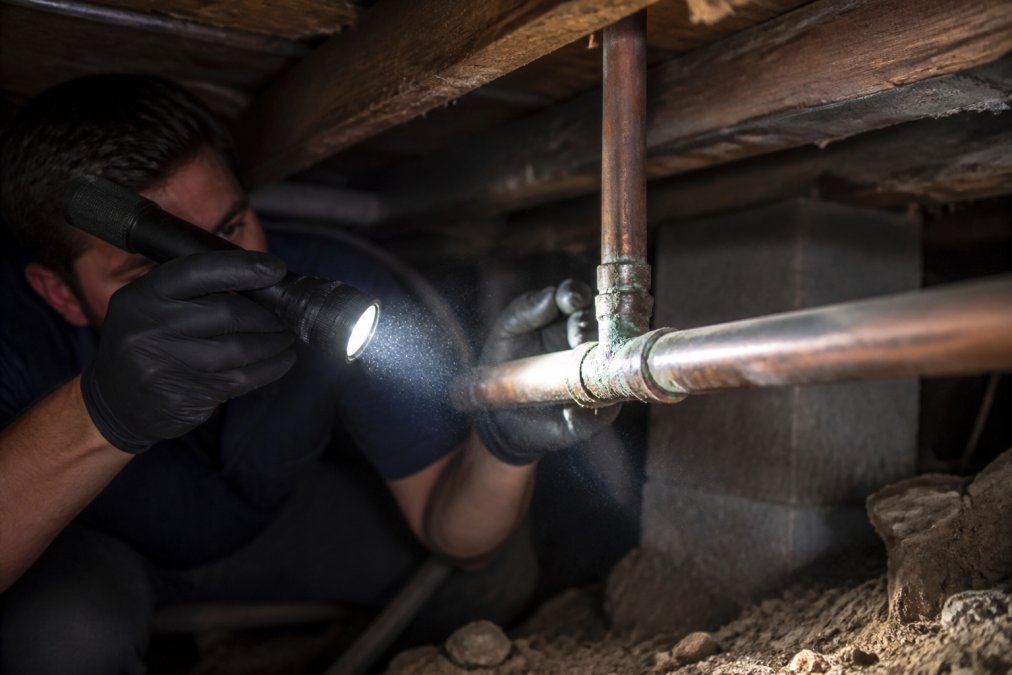
Several warning signs indicate plumbing is reaching the end of its service life. Brown or rust-colored water suggests internal corrosion. Reduced pressure across multiple fixtures points to sediment buildup or internal degradation. Unexplained wet spots on floors, walls, or in your yard signal an active leak.
Pinhole leaks are among the most telling signs of plumbing failure in older homes. These tiny perforations develop when corrosion eats through the pipe wall from the inside, and they typically appear in clusters. If you find one pinhole leak, more are likely on the way. The International Association of Certified Home Inspectors guidance on aging plumbing systems notes that visible corrosion, frequent leaks, and reduced water quality are key indicators that a system may need replacement.
Other signs include banging noises when water is turned off (loose pipes or water hammer) and a persistent musty smell suggesting hidden moisture. A home inspection report flagging polybutylene or galvanized steel should prompt a professional evaluation, not just a mental note.
Watch Out
Ignoring early signs like discolored water or recurring pinhole leaks can turn a manageable repiping project into extensive water damage remediation. A single slab leak can compromise flooring, drywall, and even your home’s foundation before you notice the symptoms.
Ignoring early signs like discolored water or recurring pinhole leaks can turn a manageable repiping project into extensive water damage remediation. A single slab leak can compromise flooring, drywall, and even your home’s foundation before you notice the symptoms.
The Polybutylene Pipe Problem in 80s Construction
Polybutylene is the single biggest reason homeowners ask whether repiping is necessary for 80s homes. From the late 1970s through the mid-1990s, builders installed it in millions of homes because it was cheap, flexible, and easy to install.
The problem is chemical. Chlorine and other oxidants react with polybutylene over time, making pipe walls brittle and flaky, leading to pinhole leaks, cracked fittings, and sudden failures. The failure rate was high enough to trigger a class-action lawsuit in the 1990s, and many insurers now refuse to cover homes with active polybutylene systems.
If your 1980s home has polybutylene pipes, the question is not whether they will fail, but when. The risk of water damage from a sudden rupture far outweighs the cost of proactive replacement. A professional inspection can confirm the material and assess its condition, showing whether repiping is necessary for 80s homes or if you have time to plan.
PEX vs Copper Repiping: Which Material Fits Your Home?
Modern repiping comes down to two materials: cross-linked polyethylene (PEX) and copper. PEX is flexible, corrosion-resistant, and less expensive to install because it requires fewer fittings. It handles thermal expansion well, reducing burst risk in freezing conditions, and delivers water without the metallic taste copper can impart.
Copper remains the traditional choice for good reason: it is durable, handles high water pressure, and has a proven service life of 50 years or more. It also resists UV damage, suiting exposed installations. Trade-offs are higher material costs, more labor-intensive installation, and vulnerability to acidic water that can cause pinhole leaks.
| Material | Service Life | Corrosion Resistance | Installation Cost | Best For |
|---|---|---|---|---|
| PEX piping | 40-50 years | High | Lower | Whole-home repipes, tight spaces |
| Copper piping | 50+ years | Medium | Higher | Exposed lines, high water pressure |
Both materials meet current code standards. A whole-home repipe with a manifold system, each fixture on its own dedicated line from a central hub, gives you individual shut-off valves and consistent flow. The right choice depends on your water chemistry, budget, and whether you prioritize flexibility or durability.
Polybutylene Pipe Replacement Cost: What to Budget
The cost of polybutylene replacement varies widely, but the decision is rarely about upfront price alone, it is risk versus investment. A full repipe for an average 2,000-square-foot, single-story home on a slab typically runs $4,500 to $15,000, depending on labor rates, fixture count, and accessibility. Homes with a crawl space or unfinished basement are often at the lower end; two-story homes or those with multiple bathrooms push it higher.
A more useful frame is comparing a proactive repipe against a single catastrophic failure. One polybutylene fitting failure can release up to 500 gallons of water per hour (hud.gov). Even a small pinhole leak unnoticed for days can cause $5,000 to $20,000 in structural, drywall, and flooring damage, not including mold remediation. The proactive approach often pays for itself if it prevents even one major incident.
The Hidden Cost: Insurance and Your Policy
One of the most overlooked financial drivers is homeowners insurance. Many national carriers flag polybutylene as high-risk. You may face a higher premium, a higher deductible for water damage claims, or an explicit exclusion for leaks from polybutylene lines. Some carriers may refuse to renew after a single claim, forcing you into the high-risk market where premiums can be two to three times higher.
Before committing to a repipe, ask your agent two questions: Does my policy cover water damage from polybutylene pipes, and would a documented repipe lower my premium? Many homeowners find annual insurance savings, combined with eliminating a high-risk claim, make the repipe financially sound rather than optional.
A Pre-Inspection Checklist to Avoid Unnecessary Service Fees
Before scheduling a professional consultation, perform a basic pre-inspection to gather information and potentially avoid paying for a diagnostic visit that only confirms what you already know. This is not a substitute for a professional assessment, but it will help you communicate more effectively.
- Locate your main water shut-off valve. It is typically near the water meter, in a garage, or on an exterior wall. Confirm it works and note its location for the plumber.
- Identify the pipe material. Look at the exposed pipes near your water heater or under a sink. Polybutylene is usually gray or blue, flexible, and has a dull plastic appearance. Copper is reddish-brown, and galvanized steel is silver-gray and magnetic.
- Check for visible signs of stress. Look for small blisters, kinks, or cracks near fittings and joints on polybutylene lines. These are early indicators of material degradation.
- Test your water pressure. A simple pressure gauge that attaches to an outdoor spigot costs about $10 at a hardware store. Normal residential pressure is 40 to 80 psi. If it reads above 80 psi, you have a pressure problem that accelerates pipe failure.
- Document your findings. Take photos of the pipe material, any visible issues, and your water heater setup. This gives a plumber a head start on the assessment and can reduce the time spent on the initial inspection.
Pro Tip
When comparing bids for polybutylene pipe replacement, ask each contractor whether the quote includes drywall repair, insulation replacement, and permit fees. These line items can add significantly to the final bill and are sometimes excluded from initial estimates.
When comparing bids for polybutylene pipe replacement, ask each contractor whether the quote includes drywall repair, insulation replacement, and permit fees. These line items can add significantly to the final bill and are sometimes excluded from initial estimates.
Financing can make the project manageable. Many plumbing companies offer financing for eligible projects, letting homeowners spread the cost over time. Factor in the insurance premium increase you are avoiding and the peace of mind from eliminating a known failure point.
Full Repipe vs. Partial Repiping: Making the Call
A full repipe replaces all water supply lines, from the main line to every fixture. A partial repiping replaces only sections actively failing or at highest risk. The decision depends on the age and condition of your entire system, not just visible problems.
Claim Your Free Estimate Today →
Partial repiping makes sense with a mix of materials, such as copper in good condition failing in one section, or when budget constraints require a phased approach. But if your home has polybutylene throughout, a partial repipe is usually a mistake, the rest will continue to degrade, and you will face another emergency within a few years.
Key Takeaway
If your home has polybutylene pipes throughout, a full repipe is almost always the right call. The material has a known failure pattern, and patching one section only delays the inevitable failure of the rest.
If your home has polybutylene pipes throughout, a full repipe is almost always the right call. The material has a known failure pattern, and patching one section only delays the inevitable failure of the rest.
A full repipe also lets you upgrade: add a manifold system for individual fixture control, install new shut-off valves at strategic points, and ensure pipe diameter is adequate for your water pressure needs. This is preventative maintenance at its most effective, you eliminate future leak risk and improve water quality and flow.
How Repiping Affects Home Value and Insurance
Repiping is one of the few home improvements that pays off in multiple ways, but the math is more nuanced than a simple resale bump. A home with modern PEX or copper is more attractive because it eliminates a known risk. Agents and inspectors routinely flag polybutylene and galvanized steel; a documented repipe removes that objection.
The Resale Value Reality
Buyers pay premiums for new roofs, HVAC, or kitchens; plumbing is less visible but carries outsized weight in negotiations. A buyer who discovers polybutylene will often walk away or demand a $10,000 to $15,000 credit, effectively a discount on your asking price. If you have already repiped, you eliminate that negotiation point, and the home appraises higher because the appraiser no longer factors in replacing a failing system.
A documented repipe with permits and inspection sign-offs signals proactive maintenance, not just cosmetic upkeep. In a competitive market, that documentation can be the difference between an accepted offer and a home that sits while buyers wait for a price reduction.
The Insurance Mechanism: What Most Guides Ignore
The insurance implications of polybutylene are a major driver for homeowners. Here is how it actually works in practice.
When you apply for a new policy, the carrier’s underwriting team reviews the home’s characteristics, including plumbing age and material. Polybutylene is a known loss driver, so carriers have developed specific responses:
- Policy exclusion: Some policies include a specific exclusion for water damage caused by polybutylene pipes. This means that if a pipe bursts, your claim is denied, and you are responsible for the full cost of repairs and remediation.
- Higher premium: Other carriers will write the policy but charge a higher premium to offset the increased risk. This can add several hundred dollars per year to your insurance costs.
- Non-renewal after a claim: Even if you have coverage, a single water damage claim on a polybutylene system can trigger a non-renewal notice. Once you are dropped, finding a new carrier becomes difficult and expensive.
Galvanized steel faces similar, though less severe, scrutiny. Corrosion leads to reduced pressure and eventual leaks, and some carriers are beginning to ask about the age and condition of galvanized systems.
The Long-Term ROI Calculation
To understand the true ROI of a repipe, compare the project cost against the avoided costs of inaction. Here is a practical framework:
- Estimate the cost of a full repipe for your home. Use a detailed bid from a licensed contractor.
- Estimate your annual insurance premium increase or the cost of a high-risk policy if you are unable to find standard coverage. Multiply that by the expected remaining life of your current pipes (5-10 years for polybutylene).
- Estimate the cost of one moderate water damage event. A single slab leak that requires cutting into a concrete foundation can cost $8,000 to $15,000 to repair, including the leak repair, dryout, and flooring replacement.
- Add the cost of emergency plumbing services. Emergency call-out fees are typically 1.5 to 2 times the standard hourly rate, and you will likely pay for after-hours access to parts and supplies.
Added together, the cost of a proactive repipe is often less than one insurance claim, one emergency repair, and the premium increases you will face over the next decade. The repipe is not just maintenance; it is a hedge against a predictable financial loss.
Watch Out
If you are shopping for homeowners insurance and your home has polybutylene pipes, disclose the material upfront. Hiding it can lead to a denied claim or a canceled policy after a loss, leaving you with no coverage when you need it most.
If you are shopping for homeowners insurance and your home has polybutylene pipes, disclose the material upfront. Hiding it can lead to a denied claim or a canceled policy after a loss, leaving you with no coverage when you need it most.
A professional repipe with proper permits and inspections gives you documentation that satisfies insurers and future buyers. The paperwork from a permitted job, including the inspection sign-off, becomes part of your home’s record and proves your system is no longer a liability.
Conclusion: Is Repiping Necessary for 80s Homes?
Whether repiping is necessary for 80s homes depends almost entirely on your pipe material. If you have polybutylene, proactive replacement is not an upsell; it is protecting your property from predictable failure. If you have copper or galvanized steel, the decision depends on current system condition, which only a professional evaluation can determine.
The Environmental Protection Agency guidance on drinking water and home plumbing emphasizes that water quality and pipe integrity are directly linked, making regular assessment of aging systems a smart practice for any homeowner. A professional plumbing inspection that includes camera documentation and material identification gives you the facts you need to make an informed decision, rather than waiting for an emergency to force your hand.
At Acclaimed Drain And Plumbing Solutions, LLC, our approach is straightforward: we evaluate the entire system, identify problems, and explain your options clearly. Our whole-home repiping services include free estimates and financing for eligible projects. Stop wondering whether repiping is necessary for 80s homes, and get a definitive answer.
The decision to repipe an 1980s home is rarely easy, given the cost and disruption. But waiting for a polybutylene line or corroded copper pipe to fail can cost far more in water damage and emergency repairs. Acclaimed Drain And Plumbing Solutions, LLC provides thorough diagnostics, photo and video documentation, and clear communication. Claim your free estimate today and get a straight answer about your home’s plumbing.
Frequently Asked Questions
How often do homes need to be repiped?
The service life of plumbing depends on the material. Copper piping typically lasts 50 to 70 years, while polybutylene can fail within 10 to 15 years of installation. If your home was built in the 1980s and still has its original polybutylene supply lines, a repipe is often necessary now. Homes with copper or galvanized steel may last longer, but visible corrosion, pinhole leaks, or low water pressure can speed up the timeline. A professional inspection helps determine the remaining service life of your specific pipes.
What are the common signs of failing pipes in 80s homes?
Common signs include pinhole leaks in exposed piping, discolored water, reduced water pressure, and visible corrosion or flaking on pipe surfaces. With polybutylene, look for brittle sections, leaks at fittings, or a history of recurring water damage. If you notice water stains on ceilings or walls, it often means a leak is active inside the wall. Addressing these signs early prevents slab leaks and extensive water damage. A plumbing inspection can confirm whether repiping is necessary for your 80s home.
Is a house built in 1980 considered old for plumbing systems?
Yes, a 1980s home is at an age where original plumbing materials are reaching the end of their service life. Builders in that decade commonly installed polybutylene pipes, which the plumbing industry has since linked to premature failure. Even homes with copper piping may have lead-soldered joints that raise water quality concerns. While the house itself may not feel old, its plumbing infrastructure often requires evaluation. Testing water pressure and inspecting pipe integrity helps determine if a repipe is necessary for 80s homes.
What are the alternatives to a full home repipe?
Alternatives depend on the extent of the damage. If only one section of piping is failing, a partial repipe can replace just that run. Spot repairs can fix isolated pinhole leaks, but they do not address the risk of future failures elsewhere in the system. For homes with polybutylene, partial repairs are rarely a lasting solution because the material continues to degrade. A whole-home repipe using PEX or copper eliminates the ongoing risk of slab leaks and emergency water damage. A professional assessment tells you which approach fits your situation.
