
Claim Your Free Estimate Today

Table of Contents
- What Qualifies as a Plumbing Emergency?
- 8 Signs You Need Emergency Plumbing Service
- How to Shut Off Main Water Valve While You Wait
- Emergency Plumber Cost Estimate: What to Expect
- Temporary Mitigation and Insurance Implications
- Call for Fast Emergency Plumbing Response
- Frequently Asked Questions
Last Updated: September 9, 2026
What Qualifies as a Plumbing Emergency?
A plumbing emergency is any issue that threatens your home’s structural integrity, creates a health hazard, or risks significant water damage if left unaddressed. Emergency plumbing situations typically involve uncontrolled water flow, sewage exposure, or a total loss of critical water service.
Hesitation can turn a manageable repair into a major restoration project, as water spreads quickly through drywall, flooring, and framing, and sewage exposure introduces bacteria that make living spaces unsafe.
8 Signs You Need Emergency Plumbing Service
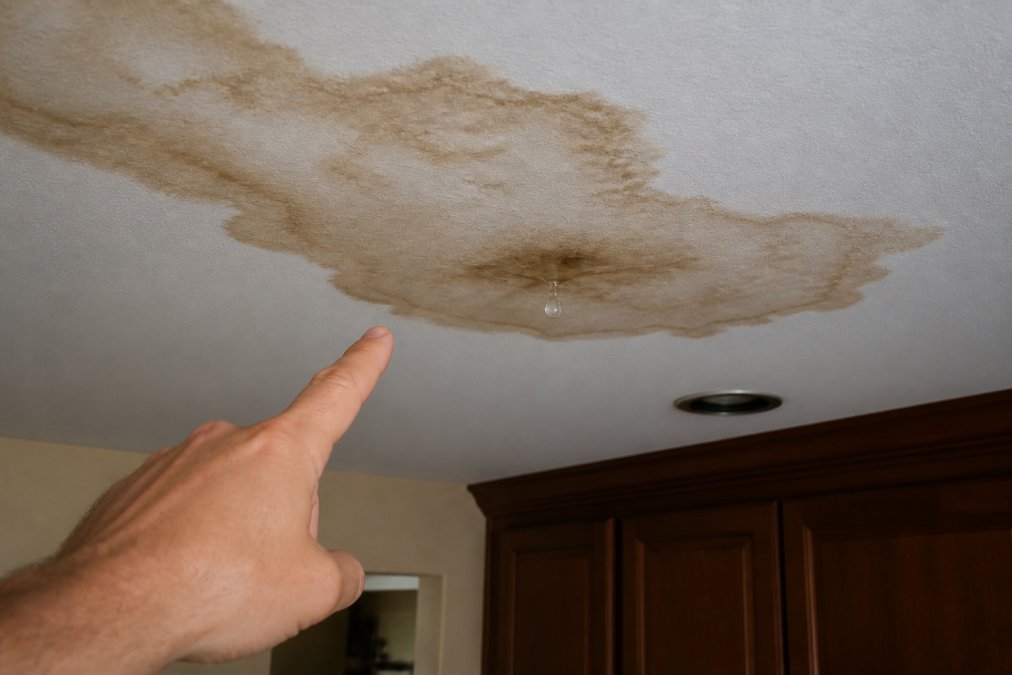
Most plumbing failures send warning signals before they become disasters. Here’s what to watch for, starting with the most urgent.
1. Water Leaks and Unexplained Wet Spots
Active leaks and unexplained wet spots on walls, ceilings, or floors demand immediate attention. A dripping pipe behind a wall can saturate insulation, rot framing, and fuel mold growth within days.
Turn off the water supply to that fixture if you can identify it, and call for emergency plumbing service right away.
2. Sewer Line Backups and Main Drain Issues
A sewer line backup is among the most serious plumbing emergencies you can face. When wastewater rises from floor drains, tubs, or toilets on the lowest level of your home, your main line to the municipal sewer or septic system is blocked.
Sewage exposure poses serious health risks, and the longer it sits, the more porous materials it contaminates. Professional sewer camera inspections can pinpoint the blockage and determine the needed repair.
3. Water Heater Malfunctions
Rust-colored water, loud popping or rumbling sounds, or water pooling around the tank base signal internal failure. Most concerning is an actively leaking tank, since residential tanks hold 40 to 60 gallons under pressure.
A failed temperature and pressure relief valve can also cause over-pressurization, a genuine safety hazard warranting immediate professional assessment (osha.gov).
4. Low Water Pressure Throughout the Home
Low pressure at a single fixture usually points to a localized clog. Low pressure everywhere signals a main supply line issue or a failing pressure regulator.
A professional leak detection service can trace the problem without excavating your landscape.
5. Overflowing Toilets
When a plunger won’t resolve a blockage and water rises toward the bowl’s rim, you face a potential sewage spill onto your bathroom floor.
If multiple toilets back up simultaneously or flushing one causes another to overflow, the problem is in your main drain line.
| Sign | Immediate Action | Urgency Level |
|---|---|---|
| Active water leaks | Shut off fixture supply valve | Critical |
| Sewer line backup | Stop all water use | Critical |
| Water heater leak | Shut off water and fuel supply | Critical |
| Whole-home low pressure | Check main shut-off valve | High |
| Overflowing toilet | Close toilet supply valve | High |
| Slow drains (multiple) | Avoid water use | High |
| Foul odors | Ventilate, avoid drains | High |
| Gurgling pipes | Monitor, limit water use | Medium |
6. Slow or Clogged Drains
A single slow drain often clears with a plunger. When multiple drains slow down simultaneously, or water backs up in the tub when you run the washing machine, you have a main line obstruction.
Professional hydro-jetting scours pipe walls clean, while sewer camera inspections reveal root penetration.
7. Foul Odors or Sewer Smells
Sewer smells indicate a break in the plumbing ventilation or a dried-out trap allowing sewer gas in. A rarely used floor drain might need water poured into it to reseal the trap, but persistent odors point to something more serious.
8. Gurgling Noises in Pipes
Gurgling sounds signal air trapped in your plumbing system, usually meaning a blockage is forming. Water struggling past an obstruction creates suction that pulls air through fixture traps, producing that bubbling noise.
How to Shut Off Main Water Valve While You Wait
Knowing how to shut off your main water valve is the single most valuable skill for any homeowner facing a plumbing emergency, as it stops the flow instantly.
Turn the valve clockwise; if you have a ball valve with a lever handle, rotate the lever perpendicular to the pipe.
Watch Out
Never test a stuck main valve repeatedly with force. If it hasn’t been exercised in years, it may seize or break. Call a professional plumber to handle a stuck valve rather than risking a broken fitting under pressure.
Never test a stuck main valve repeatedly with force. If it hasn’t been exercised in years, it may seize or break. Call a professional plumber to handle a stuck valve rather than risking a broken fitting under pressure.
Once the main valve is closed, open the lowest faucet in your home to drain remaining water, relieving pressure and minimizing flooding. Leave the valve closed until a technician arrives.
Emergency Plumber Cost Estimate: What to Expect
Emergency plumbing service costs more than standard appointments because you’re paying for after-hours availability and rapid dispatch. Understanding the cost structure helps you decide whether you actually need emergency service or can safely wait for a regular appointment.
National marketplace data suggests average emergency service call fees fall in the mid-hundreds before parts and repairs, with the final bill varying significantly based on the scope of work (Thumbtack emergency plumbing cost data). A simple drain clearing runs far less than a sewer line replacement, so the diagnosis drives the price.
Cost vs. Urgency Matrix: When to Pay the Premium
Not every plumbing problem justifies the after-hours premium. Use this matrix to separate an expensive repair from a true emergency:
| Situation | Typical Service Call | Can It Wait Until Morning? | Why |
|---|---|---|---|
| Burst pipe with active water flow | No | Water damage compounds every minute; structural and mold damage far exceeds the call fee. | |
| Sewage backup into living space | No | Biohazard exposure and contamination of porous materials require immediate containment. | |
| Water heater tank actively leaking | No | 40-60 gallons under pressure can flood a basement rapidly; also a burn/scald risk. | |
| No running water at all | Depends | If you have bottled water and can flush with buckets, waiting until morning may be acceptable. If you have children, elderly residents, or medical needs, call now. | |
| Overflowing toilet (single fixture) | Yes, if contained | Shut off the supply valve and avoid flushing. A plunger or snake can often wait for business hours. | |
| Slow drains (multiple fixtures) | Yes | Avoid water use and monitor. A complete blockage may come later, but you have time to plan. | |
| Gurgling pipes | Yes | This is an early warning. Schedule a camera inspection within a few days. | |
| Foul sewer odor | Yes | Ventilate the area and avoid drains. If you smell gas (rotten egg), evacuate and call your gas utility first. |
Key Takeaway
The cheapest plumbing repair is the one that happens before water damages your floors, walls, and belongings. Emergency call premiums are almost always less expensive than restoration work, but only when the situation genuinely warrants the after-hours response.
The cheapest plumbing repair is the one that happens before water damages your floors, walls, and belongings. Emergency call premiums are almost always less expensive than restoration work, but only when the situation genuinely warrants the after-hours response.
What Drives the Final Bill
Several factors influence your final cost beyond the base service call:
- Time of service: Nights, weekends, and holidays carry the highest rates, often 1.5 to 2 times the standard hourly rate.
- Diagnostic work: Sewer camera inspections typically run $150-$500 and leak detection $200-$600. These add to the base fee but prevent guesswork and unnecessary excavation.
- Parts and materials: Quality components cost more upfront but last longer. A cheap $20 fill valve may fail again in a year; a $150 brass valve can last decades.
- Repair complexity: Access difficulties, pipes behind finished walls, under slabs, or in tight crawl spaces, extend labor time significantly.
- Minimum call-out charges: Many emergency services bill a minimum of 1-2 hours regardless of how quickly the fix is completed.
How to Avoid Paying for a False Alarm
Before you call, shut off the water at the fixture or main valve if you can identify the source, this often downgrades the urgency to a scheduled repair. Then call the provider and describe your symptoms accurately. A reputable dispatcher will tell you whether you need emergency dispatch or can book a same-day appointment; pressure to book emergency service for a slow drain is a red flag.
Temporary Mitigation and Insurance Implications
While waiting for a professional, your priority is limiting damage and documenting everything. The actions you take in the 30-90 minutes before help arrives often determine whether you’re dealing with a $500 repair or a $15,000 restoration.
Stop-Gap Measures That Actually Work
1. Shut off the water at the source. For a leaking fixture, close the angle stop valve behind the toilet or under the sink, turning it clockwise. For leaks you can’t isolate, a burst pipe, failing water heater, or water from the ceiling, close the main shut-off valve, typically where the water service line enters your home.
Watch Out
Never test a stuck main valve repeatedly with force. If it hasn’t been exercised in years, it may seize or break. Call a professional plumber to handle a stuck valve rather than risking a broken fitting under pressure.
Never test a stuck main valve repeatedly with force. If it hasn’t been exercised in years, it may seize or break. Call a professional plumber to handle a stuck valve rather than risking a broken fitting under pressure.
2. Relieve pressure and drain the lines. Once the main valve is closed, open the lowest faucet in your home to drain remaining water, relieving pressure and minimizing flooding. Leave the valve closed until a technician arrives.
3. Contain and divert active drips. Place buckets under drips, but don’t let them overflow. Use towels or old blankets as a wicking barrier to keep water away from walls and electrical outlets, and push pooling water toward a floor drain or exterior door.
4. Move valuables and electronics. Books, documents, photographs, and electronics are the most vulnerable to permanent water damage. Move them to a dry area immediately, and lift furniture legs onto blocks to keep them out of standing water.
5. Clear the area around the failure point. Move storage boxes, appliances, and debris away so the technician has immediate access.
6. For sewage backups specifically: Do not run water, flush toilets, or use a plunger on a main-line backup, you’ll only push contaminated water higher. Keep children and pets away, ventilate the space, and wear rubber gloves and old shoes if you must be in the area.
Insurance Implications: What’s Covered and What’s Not
Photograph visible damage from multiple angles, note the time you discovered the issue, and keep records of temporary measures, this is your evidence if you file a claim.
Watch Out
Do not throw away damaged property before your insurance adjuster inspects it. Premature disposal can complicate or jeopardize your claim. Take photos first and keep samples of affected materials when possible.
Do not throw away damaged property before your insurance adjuster inspects it. Premature disposal can complicate or jeopardize your claim. Take photos first and keep samples of affected materials when possible.
Standard homeowners insurance policies (HO-3 and similar) generally cover sudden and accidental water damage from plumbing failures, a burst pipe, overflowing toilet, or catastrophic water heater failure (iii.org). Damage that develops gradually, a slow leak rotting framing over months, is typically excluded as a maintenance issue.
What is not covered under a standard policy:
- Sewer backups, unless you carry a specific sewer backup endorsement or rider. This is often a modest add-on ($50-$150 per year) that can save you thousands.
- Flooding from outside sources, that requires separate flood insurance through the National Flood Insurance Program.
- Gradual leaks, damage from long-term, slow seepage that a reasonable homeowner should have noticed and addressed.
- The repair of the plumbing system itself, insurance covers damage to your home and belongings, not the failed pipe, water heater, or fixture. The plumber’s bill is your responsibility.
How to File a Claim Without Making Things Worse
- Call your insurer promptly, most policies require notice within a reasonable timeframe.
- Mitigate further damage, insurers expect you to take reasonable steps to prevent additional damage.
- Keep receipts, for emergency materials and the plumber’s emergency service. Some policies reimburse reasonable temporary repair costs.
- Separate the plumber’s bill from the damage claim, your policy covers damage to your home, not the plumbing repair itself.
- Ask about your deductible, if the damage is minor, paying out of pocket avoids a claim on your record, which can raise future premiums.
Call for Fast Emergency Plumbing Response
Recognizing the signs you need emergency plumbing service is only half the battle. The other half is acting quickly and calling a professional who can diagnose the root cause.
Pro Tip
Save your plumber’s contact information in your phone before an emergency happens. When water is pouring through your ceiling, you don’t want to be searching for a trustworthy number.
Save your plumber’s contact information in your phone before an emergency happens. When water is pouring through your ceiling, you don’t want to be searching for a trustworthy number.
Our technicians arrive equipped with sewer cameras and leak detection equipment to identify the actual source of your problem.
We back our work with free estimates and financing options for eligible projects. Our maintenance membership program helps prevent future emergencies through regular inspections and preventative care.
Frequently Asked Questions
What qualifies as a plumbing emergency?
A plumbing emergency is any issue that poses an immediate threat to your property, safety, or health. This includes burst pipes, sewage backups, overflowing toilets, and water heater leaks. These situations can cause rapid structural damage or create unsanitary conditions. If water is actively flowing where it shouldn’t be or sewage is backing up, treat it as an emergency and call for professional help right away.
How much does an emergency plumber visit cost?
An emergency plumber visit typically costs more than a standard service call due to after-hours response. Pricing depends on the time of day, the severity of the issue, and your location. Contact Acclaimed Drain And Plumbing Solutions, LLC for a free estimate and clear pricing before any work begins.
What should I do while waiting for an emergency plumber?
First, shut off your main water valve to stop the flow of water and prevent further damage. Next, turn off your water heater to protect it from damage. Then, clear the area around the leak or backup so the technician has access. Finally, document any visible damage with photos for your insurance claim. These steps help minimize the impact while you wait for professional help.
Can a leaking pipe cause structural damage to a home?
Yes, a leaking pipe can cause significant structural damage over time. Water can weaken wood framing, rot drywall, and damage your home’s foundation. Persistent moisture also creates ideal conditions for mold growth, which poses health risks. If you notice unexplained wet spots, musty odors, or water stains, call for emergency plumbing service to prevent costly repairs.
Plumbing emergencies rarely announce themselves at convenient times. The difference between a minor repair and a major restoration often comes down to how quickly you recognize the warning signs and respond. Trust the team that combines fast response with thorough diagnostics and honest recommendations. Claim your free estimate today and get the dependable plumbing service your home deserves.
