Claim Your Free Estimate Today
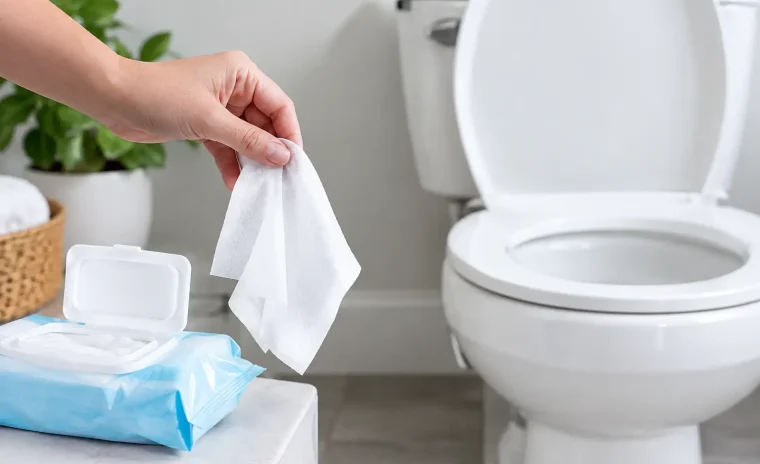
A toilet may flush a wipe without hesitation, but that does not mean the wipe has cleared your plumbing safely. Homeowners often ask, are flushable wipes safe because the label suggests they are made to go down the toilet. In real drain and sewer systems, however, wipes are a common cause of stubborn clogs, backups, and costly sewer line repairs.
The practical answer is simple: flushable wipes are not a dependable choice for your toilet or drain system. The safest item to flush is toilet paper, along with normal human waste. Everything else, including wipes labeled flushable, belongs in the trash.
Why Flushable Wipes Are Not Safe for Drains
Unlike toilet paper, which is designed to break apart quickly in water, many wipes stay intact long after the toilet flushes. They may travel through the toilet trap and part of the drain line, giving the impression that there is no problem. Then they catch on a rough section of pipe, a root intrusion, grease buildup, scale, or another item already sitting in the line.
One wipe may not block a sewer line by itself. The real issue is accumulation. Wipes can fold, knot, and gather with hair, paper products, grease, and debris. Over time, that collection narrows the pipe and slows the flow of wastewater. A drain that used to handle a busy morning can suddenly back up after one ordinary flush.
This is especially common in homes with older sewer lines. Cast iron piping can develop internal rust and roughness. Clay or older pipe joints can shift and allow roots inside. Even newer lines can have a low spot, called a belly, where material settles instead of moving freely toward the sewer connection. Wipes do not create every sewer issue, but they often expose an existing problem quickly.
What “Flushable” Really Means
A flushable label generally means a wipe can pass through a toilet under certain testing conditions. It does not guarantee that the product will break down like toilet paper, move through every household drain line, or pass safely through a municipal sewer system or septic tank.
That difference matters. Your plumbing system is not a straight, clean pipe from the toilet to the street. It has bends, joints, changes in pipe size, and potentially decades of buildup. Once a wipe reaches a trouble spot, it can act like a net for other debris.
For homes on septic systems, the risk can be even greater. Wipes can remain in the tank, interfere with normal system function, and create more frequent pumping or maintenance needs. They should not be used as a substitute for toilet paper in septic homes.
The same advice applies to commercial properties. Restrooms in offices, restaurants, retail spaces, and rental properties see higher use, so a small amount of inappropriate flushing can turn into a service interruption quickly. A sewer backup is not just inconvenient. It can create sanitation concerns, damage flooring or inventory, and disrupt tenants, employees, or customers.
Signs Wipes May Be Causing a Drain Problem
A single slow flush does not automatically mean wipes are the cause. It could be a partial toilet clog, a venting issue, or a larger sewer line restriction. Still, certain patterns deserve attention, particularly when more than one fixture is involved.
Watch for toilets that gurgle, flush weakly, or rise higher than normal before draining. You may also notice water coming up in a shower or tub when a toilet flushes, repeated clogs in the same bathroom, unpleasant sewer odors, or wastewater around a floor drain or cleanout. These are not problems to ignore or repeatedly treat with chemicals.
When several drains are slow or a toilet causes water to appear elsewhere in the home, the restriction may be in the main sewer line. At that point, using more water can worsen the backup. Limit toilet use and arrange for a professional drain and sewer inspection as soon as possible.
Why Chemical Drain Cleaners Usually Make Things Worse
It is tempting to pour a chemical cleaner down the toilet when wipes are suspected. That approach rarely solves the real problem. Most chemical cleaners are not designed to dissolve wipes, and they can sit in a blocked pipe without reaching the obstruction effectively.
Harsh drain products can also create safety risks for anyone working on the line later. In older pipes, repeated chemical use may contribute to damage or accelerate deterioration. If a toilet is partially blocked, a plunger can sometimes help. But if the issue keeps returning, forcing the blockage farther into the system is not a long-term repair.
A proper diagnosis identifies where the restriction is, what is in the line, and why it collected there. That allows the repair to match the condition of the pipe instead of providing temporary relief.
How a Professional Resolves a Wipe Clog
The right solution depends on the location and severity of the blockage. For a localized toilet obstruction, professional cabling may remove the material and restore normal flushing. For a main sewer line blockage, a drain machine can clear the immediate obstruction so wastewater can flow again.
If the line has heavy grease, scale, roots, or packed debris, hydro jetting may be the better option. High-pressure water can clean the inside of an appropriate pipe more thoroughly than a basic cable alone. It is not the right tool for every damaged or fragile line, which is why inspecting the pipe condition first matters.
A sewer camera inspection can reveal the reason wipes are catching in the first place. The camera may show roots at a joint, a collapsed section, offset piping, heavy corrosion, or a sagging line. If there is a structural problem, clearing the wipes without addressing the damaged area can lead to another backup. In some cases, trenchless sewer lining or targeted sewer repair provides a more durable solution with less disruption to the property.
At Acclaimed Drain And Plumbing Solutions LLC, the focus is on explaining what the line is doing, showing clear options when possible, and completing repairs built to restore dependable flow. A cleanout call should not leave you guessing whether the same backup will return next month.
What to Flush Instead
The best household rule is easy to remember: flush only toilet paper and human waste. Put wipes, paper towels, facial tissues, cotton swabs, floss, feminine hygiene products, diapers, and cleaning pads in a lined trash container.
Bidets can be a useful alternative for households that prefer the cleaning benefit of wipes. If wipes are still used for personal care, dispose of them in the trash even when the package says flushable. Keeping a small covered wastebasket near each toilet makes that habit easier for family members and guests.
For property managers and business owners, clear restroom signage can prevent expensive problems. A simple reminder that wipes and hygiene products belong in the trash may save a tenant disruption or after-hours emergency call.
When to Call for Sewer Help
Call for professional help promptly if sewage backs up into a tub, shower, toilet, floor drain, or cleanout. Wastewater can contain harmful bacteria, and continued use of sinks, toilets, dishwashers, or laundry equipment can add more water to the affected line.
Move people and pets away from the contaminated area, avoid direct contact with wastewater, and do not run more fixtures in the building. If it is safe to do so, note which fixtures are affected and whether the issue began after toilet use, laundry, or heavy water use. Those details can help narrow down the cause when the plumbing team arrives.
A drain clog caused by wipes is often preventable, but once a backup starts, quick action protects the property from more extensive damage. Treat the flushable label as marketing, not a guarantee. Keeping wipes out of the toilet is one of the simplest ways to protect your drains, sewer line, and peace of mind.