Claim Your Free Estimate Today
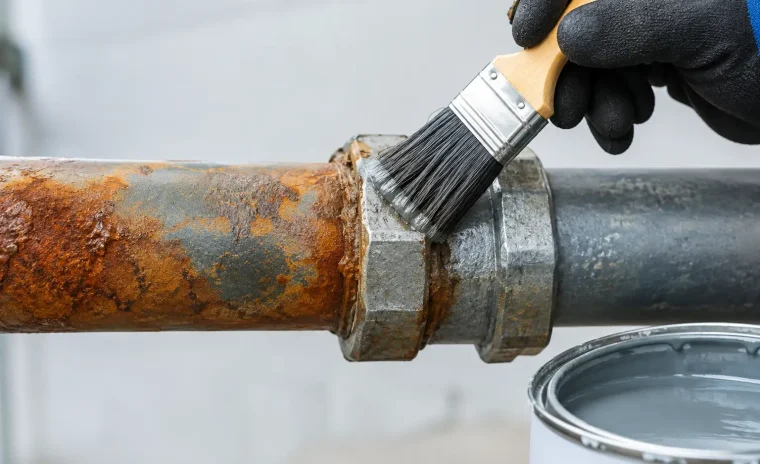
A pinhole leak behind a cabinet or inside a wall rarely starts as a sudden plumbing failure. In many Tucson-area properties, it starts years earlier with pipe corrosion slowly thinning the metal from the inside out. Knowing how to stop pipe corrosion means looking beyond the visible stain or dripping fitting and correcting the water, pressure, or pipe-material issue that is causing the damage.
Corrosion is not always an emergency, but it can become one quickly. Left alone, it can lead to discolored water, lower water pressure, recurring leaks, water damage, and premature repiping. The right solution depends on your pipe material, water quality, the age of the system, and where the corrosion is occurring.
What Pipe Corrosion Looks Like in a Home or Business
Pipe corrosion occurs when metal reacts with water, oxygen, minerals, or electrical current. Copper, galvanized steel, brass, and cast iron can all corrode, though the symptoms and repair approach differ. Plastic piping does not rust, but it can still be affected by poor water chemistry, bad connections, or excessive pressure.
A green or blue stain near a copper fixture, for example, may indicate copper deterioration. Rust-colored water and restricted flow are more common with aging galvanized steel. Corrosion on exposed pipes can be easy to spot, but internal corrosion is often hidden until it causes a leak or blocks flow.
Watch for changes such as repeated pinhole leaks, a metallic taste, cloudy or discolored water, unexplained wet spots, reduced pressure at several fixtures, or flakes collecting in faucet aerators. Commercial properties may also notice inconsistent water flow at restrooms, equipment connections, or water heaters.
One symptom does not always mean the entire system is failing. A single corroded shutoff valve or isolated section of pipe may be repairable. Repeated failures in different areas are a stronger sign that the underlying conditions need a full plumbing evaluation.
How to Stop Pipe Corrosion at the Source
Stopping corrosion is not about coating over a rusty pipe or replacing one damaged elbow every time it leaks. Durable results come from identifying why the pipe is deteriorating in the first place.
Test the Water Quality
Southern Arizona water is often hard, meaning it carries elevated mineral content. Mineral scale itself is not the same as corrosion, but hard water can contribute to deposits, restricted flow, and conditions that make a plumbing system harder to maintain. Water that is unusually acidic or alkaline can also attack metal piping over time.
A water-quality assessment can help identify pH concerns, high mineral levels, sediment, chlorides, or other factors affecting your plumbing. From there, the right treatment may include filtration, conditioning, or another water-treatment approach matched to the problem. The goal is not to install equipment for its own sake. It is to protect the pipes, fixtures, water heater, and appliances from the conditions actually present in your water.
Keep Water Pressure in a Safe Range
High water pressure does not directly create every type of corrosion, but it puts added stress on weakened pipes, joints, valves, and appliance connections. That stress can turn a small corroded area into an active leak.
Many property owners only discover pressure problems after a hose bursts or a water heater relief valve discharges. A plumber can measure incoming pressure and check whether the pressure-reducing valve is working properly. If pressure is consistently too high, correcting it can reduce leak risk throughout the system and help protect newer repairs.
Address Electrical and Dissimilar-Metal Issues
Some corrosion is tied to electrical current or the way different metals are connected. When copper pipe is joined improperly to galvanized steel or another dissimilar metal, galvanic corrosion can develop at the connection. Stray electrical current can also accelerate deterioration in certain situations.
This is not a do-it-yourself diagnosis. A qualified plumbing inspection can identify improper transitions, missing dielectric unions, damaged bonding, or other installation concerns. If an electrical issue is suspected, a licensed electrician may also need to evaluate the property. Correcting the connection is more dependable than repeatedly replacing the same fitting.
Repair Leaks Promptly and Correctly
A small leak can create more corrosion around nearby fittings and supports, especially in enclosed walls, cabinets, or utility rooms. Temporary patches may slow the visible drip, but they do not restore compromised pipe wall thickness.
A proper repair starts by locating the full damaged area. In some cases, replacing a short section with properly matched materials is enough. In other cases, a cluster of pinhole leaks means adjacent pipe is near the end of its useful life. Clear options should explain whether a targeted repair makes financial sense or whether a larger replacement will better prevent repeat damage.
Different Pipe Materials Need Different Solutions
The best response depends heavily on the material already installed.
Galvanized steel pipes are common in older properties and are especially prone to internal rust and mineral buildup. Once corrosion has significantly restricted the inside diameter, flushing usually will not restore reliable flow. Replacement is often the practical long-term solution, particularly when pressure is low throughout the property.
Copper piping can last for decades, but it is vulnerable to pinhole leaks when water chemistry, installation conditions, or electrical factors are unfavorable. A few isolated leaks may be repaired, while recurring pinholes can justify repiping selected lines or the entire home.
Cast iron drain lines corrode differently because they carry wastewater rather than pressurized drinking water. Internal scale, cracking, rough pipe walls, and root intrusion can contribute to slow drains and backups. Camera inspection and professional drain cleaning help determine whether the line can be restored, spot-repaired, lined, or replaced.
Older brass valves and fittings may also fail as their internal components deteriorate. Replacing aging valves during a repair can prevent a simple service call from becoming a future emergency.
Maintenance That Helps Prevent Repeat Failures
Pipe corrosion cannot always be prevented completely, especially in aging systems. Regular attention can catch it early and reduce the chance of expensive water damage.
For homeowners, inspect exposed pipes under sinks, around water heaters, near irrigation connections, and in mechanical rooms a few times each year. Look for green residue, rust, moisture, crusty buildup, or stains on walls and cabinets. Pay attention to changes in water pressure or water color, even if they seem minor.
For commercial properties, a scheduled plumbing maintenance plan is often worthwhile. High-use restrooms, kitchens, water heaters, backflow assemblies, and equipment lines see more demand than a typical home system. Routine checks can identify failing valves, scaling, pressure concerns, and corrosion before they interrupt operations or create sanitation concerns.
Avoid using chemical drain cleaners as a response to recurring slow drains. These products can be harsh on older metal piping and do not remove the underlying cause of a blockage. Professional drain diagnosis and cleaning are safer options when buildup, scale, roots, or a damaged line is involved.
When Repair Is No Longer the Right Investment
There is a point where repeated spot repairs cost more than solving the system problem. If leaks are appearing in multiple locations, water pressure is declining, pipes are visibly deteriorated, or repairs have already damaged finished walls and flooring, ask for a full assessment before authorizing another patch.
Repiping can sound disruptive, but modern planning can limit unnecessary openings and keep the project organized. For sewer lines, trenchless options may be available depending on the pipe condition and layout. The right recommendation should account for the age of the property, pipe material, budget, access, and how long you plan to own or operate the building.
Acclaimed Drain And Plumbing Solutions LLC approaches corrosion concerns by locating the cause first, then explaining clear repair or replacement options. With more than 20 years of experience, the focus is dependable workmanship that reduces the risk of the same problem returning.
If you have discolored water, recurring leaks, rusted fittings, or pressure changes, do not wait for a hidden pipe to become a major water-damage claim. A professional inspection can show what is happening inside the system and what can realistically protect it. Acting while the warning signs are still small gives you more options, cleaner repairs, and a better chance to keep your plumbing working the way it should.