Claim Your Free Estimate Today
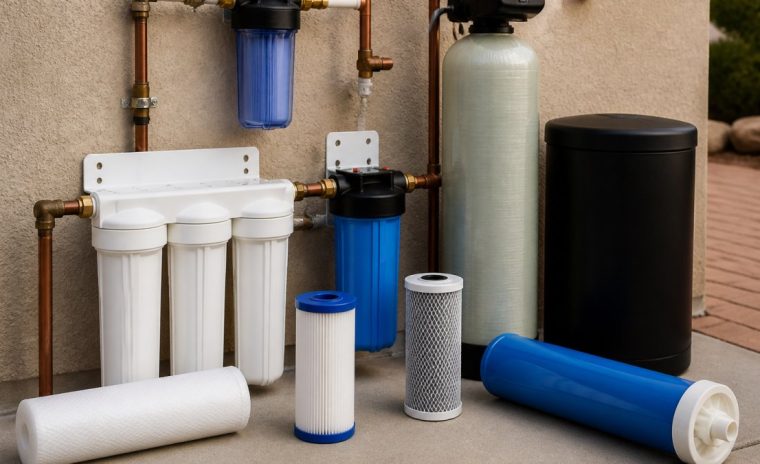
Table of Contents
- Why Tucson’s Hard Water Makes Filtration Systems a Must in 2026
- Quick Comparison: Best Water Filtration Systems for Tucson Hard Water
- Water Softener vs. Water Filtration System: What Tucson Homes Actually Need
- How to Do a Water Hardness Test for Home Use
- Whole-House Water Filtration System Cost and What It Covers
- Reverse Osmosis System for Drinking Water: Top Picks
- Best Water Filtration Systems for Tucson Hard Water: Pros, Cons, and Pricing
- Which Water Filtration System Fits Your Tucson Home?
- Frequently Asked Questions
Last Updated: October 18, 2026
Why Tucson’s Hard Water Makes Filtration Systems a Must in 2026
Tucson’s water is famously mineral-heavy, which shapes every decision about the best water filtration systems for Tucson hard water in 2026.
Tucson Water, the city’s municipal water utility, publishes detailed water quality data for residents and maintains guidance on home treatment options. According to Tucson Water’s home treatment guidance, carbon filters are a simple, inexpensive way to improve taste, but they do not remove total dissolved solids or reduce water hardness.
Watch Out
Buying a carbon pitcher filter to solve hard water is a common mistake. It improves taste and odor but leaves calcium and magnesium in the water, so scale keeps building in your water heater, dishwasher, and fixtures.
Buying a carbon pitcher filter to solve hard water is a common mistake. It improves taste and odor but leaves calcium and magnesium in the water, so scale keeps building in your water heater, dishwasher, and fixtures.
Quick Comparison: Best Water Filtration Systems for Tucson Hard Water
Here is how the leading options stack up for local conditions, based on published product data and Tucson Water’s own treatment guidance.
| System | Type | Best For | Hardness Reduction | Notes |
|---|---|---|---|---|
| Acclaimed Drain And Plumbing Solutions, LLC | Professional install and service | Whole-home treatment with local support | Depends on system specified | Free estimates, financing, maintenance program |
| AquaTru Carafe | Countertop reverse osmosis | Drinking water only | Not established | IAPMO-certified claims per review source |
| Culligan ZeroWater | Pitcher filter | Renters, small households | Not established | Scored 9.33/10 in cited review |
| APEC ROES-50 Essence Series | Under-sink reverse osmosis | Drinking water at lower cost | Not established | Review reports near-total contaminant removal |
| Home Master HMF3SdgFeC | Whole-house filtration | Point-of-entry sediment and carbon | Not established | Three-stage format |
| Freedom Water Systems | Whole-home filtration and conditioning | Budget-conscious whole-home buyers | Varies by system | Starting price of $1,995 per cited page |
| Carbon filters | Pitcher and portable | Taste and odor improvement | No, per Tucson Water | Reported cost range $7 to $150 |
Water Softener vs. Water Filtration System: What Tucson Homes Actually Need
A water filtration system removes contaminants like sediment, chlorine, and dissolved solids; a water softener removes the calcium and magnesium that cause hardness.
Tucson Water’s guidance is blunt: carbon filtration does not reduce water hardness. If scale buildup is your complaint, softening or conditioning is the relevant treatment.
Key Takeaway
Match the treatment to the symptom. Scale and crust mean hardness, so you need softening or conditioning. Taste and odor mean filtration. Buying one to fix the other wastes money and leaves the original problem in place.
Match the treatment to the symptom. Scale and crust mean hardness, so you need softening or conditioning. Taste and odor mean filtration. Buying one to fix the other wastes money and leaves the original problem in place.
How to Do a Water Hardness Test for Home Use
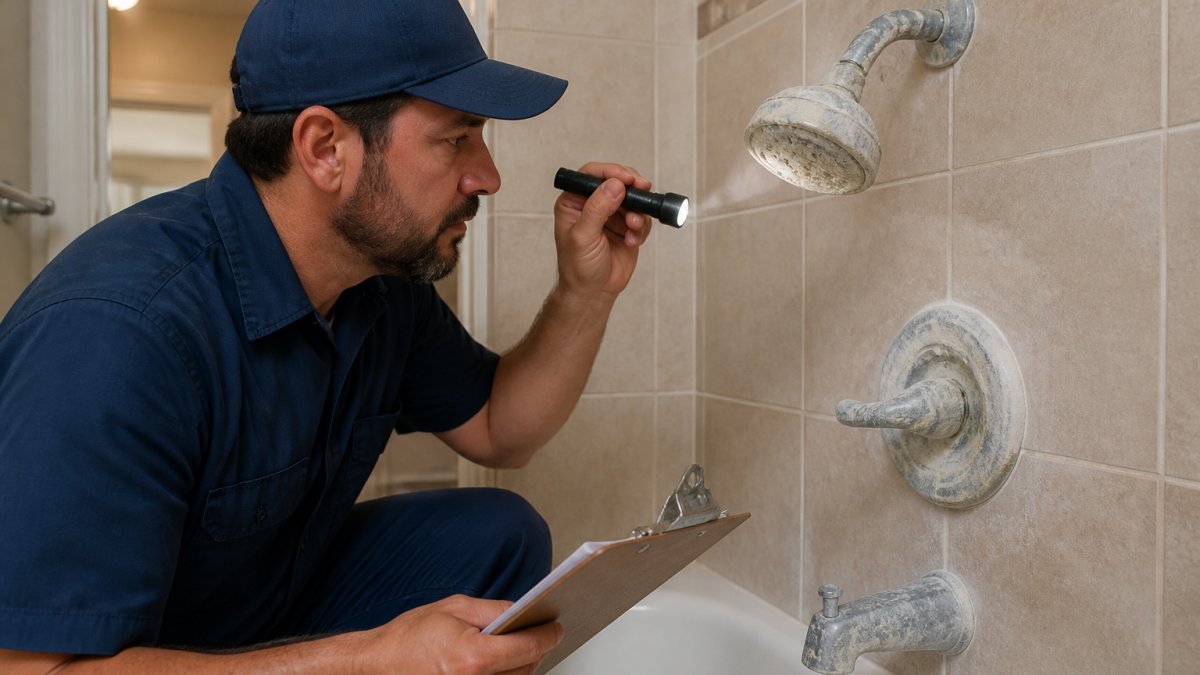
Testing your water hardness takes about ten minutes. A water hardness test for home use comes as dip strips compared against a color chart or liquid drop kits that count drops until the sample changes color.
- Buy a hardness test kit rated in grains per gallon
- Collect a sample from a cold tap, not hot
- Run the water for a minute first to clear the line
If your reading comes back high and you are seeing scale, the next step is a conversation about system sizing, not a trip to the hardware store for a filter.
Whole-House Water Filtration System Cost and What It Covers
Whole-house water filtration system cost depends on system type, number of stages, and installation requirements.
A point-of-entry system treats all water entering the home, protecting plumbing and appliances, unlike an under-sink filter that treats one tap. Whole-house systems typically combine sediment removal with carbon filtration, and some add conditioning for hardness.
What the Sticker Price Leaves Out
Most published whole-house prices quote equipment only. A realistic budget accounts for four additional cost buckets:
- Installation labor and plumbing modifications. A straightforward swap on an existing loop may take a few hours; relocating a shutoff or running new lines can multiply labor. Ask whether the quote includes a bypass valve for servicing without shutting off the house.
- Permits and inspection. Many jurisdictions require a plumbing permit for point-of-entry installation, and the fee is usually passed through to the homeowner. Confirm who pulls the permit before work starts.
- Filter and media replacement. Sediment cartridges are cheap but frequent; carbon block cartridges cost more and last longer; media-based hardness treatment is the priciest to recharge. The replacement schedule, not the purchase price, drives your three-to-five-year cost.
A Simple Total-Cost-of-Ownership Framework
Rather than compare sticker prices, build a five-year estimate for each candidate system using this structure:
- Equipment purchase price (quoted).
- Installation labor and any plumbing modifications (quoted).
- Permit and inspection fees (quoted or estimated by your installer).
- Annual filter/media/salt cost multiplied by five.
- Estimated water and electricity use multiplied by five.
- Any service-contract or maintenance-membership fee multiplied by five.
A system that costs more upfront but uses cheaper, longer-lasting cartridges can win on five-year cost; a cheap system with proprietary cartridges can lose badly. Ask every provider for replacement part numbers and current prices in writing before you sign.
Sizing and Flow Rate: The Hidden Cost Driver
A whole-house system sized too small will choke flow, showers weaken, appliances starve, and the system clogs faster. Sizing depends on bathrooms, simultaneous fixture use, and peak demand. A common pattern is to size for the number of full bathrooms plus one, then confirm the rated flow rate at your incoming pressure.
Pro Tip
Ask for the system’s rated flow rate in gallons per minute at your actual incoming pressure, not at the manufacturer’s ideal test pressure. If the number is not published, that is a warning sign.
Ask for the system’s rated flow rate in gallons per minute at your actual incoming pressure, not at the manufacturer’s ideal test pressure. If the number is not published, that is a warning sign.
What Whole-House Filtration Does and Does Not Cover
A point-of-entry sediment-plus-carbon system protects plumbing from grit and reduces chlorine, taste, and odor at every tap. It does not remove dissolved minerals or reduce hardness, that requires softening or conditioning.
Maintenance matters as much as purchase price. Ask for the replacement schedule in writing before you buy, and confirm whether cartridges are standard sizes available from multiple suppliers or proprietary parts sold only by the installer.
Reverse Osmosis System for Drinking Water: Top Picks
Reverse osmosis delivers the cleanest drinking water of any point-of-use option.
The AquaTru Carafe is a countertop reverse osmosis unit that a 2026 review reports carries IAPMO certification for all contaminants it claims to reduce.
Those scores are a starting point, not a decision. Four performance trade-offs matter more for a Tucson household than a single review number.
1. Verify the Certification, Not the Claim
A manufacturer can claim anything; an independent certifying body verifies specific reductions against a specific model. Look for a certification listing, NSF/ANSI 58 for point-of-use reverse osmosis, NSF/ANSI 42 and 53 for carbon filters, naming the exact model number you are buying, not a family name. Certification for a different or discontinued model does not apply to your unit.
Pro Tip
Check the certification listing, not the marketing copy. A system’s claimed reductions should be verified by an independent certifying body, and the listing should match the exact model number you are buying.
Check the certification listing, not the marketing copy. A system’s claimed reductions should be verified by an independent certifying body, and the listing should match the exact model number you are buying.
2. Wastewater Ratio and Water Use
Reverse osmosis systems send some water to drain as wastewater, normal for the technology. Older units may send several gallons to drain per gallon produced; newer units with permeate pumps or staged membranes reduce that ratio substantially. In a drought-conscious region, ask for the wastewater ratio and whether the unit uses a permeate pump or flush valve.
3. Mineral Retention and Taste
Reverse osmosis removes dissolved minerals along with contaminants, which is why some homeowners find the water flat-tasting. Remineralization cartridges add back a small amount of calcium and magnesium for taste; they do not make the water hard again or replace a softener. If you only want contaminant reduction, a carbon block under-sink filter may fit better.
4. Pressure and Flow Rate
Reverse osmosis production slows at low incoming pressure and low water temperature, so a unit rated at a given daily rate may produce less in a cold winter line. With low pressure, a booster pump performs more consistently. Also check storage tank size, a small tank means waiting between glasses during heavy use.
Claim Your Free Estimate Today →
Matching the Pick to the Household
- Renters and small households: a countertop unit like the AquaTru Carafe avoids plumbing work and moves with you.
- Under-sink buyers focused on value: the APEC ROES-50 Essence Series is described as removing nearly 100% of contaminants at roughly half the cost of comparable reverse osmosis models, confirm the certification listing for the exact model before buying.
- Pitcher users: the Culligan ZeroWater pitcher scored 9.33/10 in the cited review, but a pitcher is a drinking-water convenience, not a whole-home solution, and it will not stop scale.
Pair any point-of-use reverse osmosis unit with a whole-house sediment and carbon stage if you also want plumbing protection, and with softening or conditioning if scale is the complaint.
Best Water Filtration Systems for Tucson Hard Water: Pros, Cons, and Pricing
Acclaimed Drain And Plumbing Solutions, LLC
For Tucson homeowners who want the problem solved rather than a box shipped to the door, Acclaimed Drain And Plumbing Solutions, LLC is a practical first call.
Best for: Whole-home treatment with local service and support.
Watch out for: System pricing depends on your home’s layout and water test results, so we quote after assessment rather than publishing a flat figure.
AquaTru Carafe
A countertop reverse osmosis unit that requires no installation. The cited 2026 review reports IAPMO certification for every contaminant it claims to reduce, which is the standard to look for. It does not soften hard water, and replacement filter costs are not published in the supplied data.
Best for: Renters and anyone who wants certified drinking water without plumbing work.
Culligan ZeroWater
The best pitcher in the cited 2026 review at 9.33/10. Simple, portable, and effective for drinking water. The supplied results do not show that it reduces hardness, so it will not stop scale.
Best for: Small households and apartments.
APEC ROES-50 Essence Series
An under-sink reverse osmosis system the cited review describes as removing nearly 100% of contaminants at about half the price of other reverse osmosis models. Whole-home treatment and softening are not verified for this unit.
Best for: Budget-focused buyers who want under-sink drinking water treatment.
Home Master HMF3SdgFeC 3-Stage Filtration System
A three-stage whole-home filtration system named in a 2026 whole-home systems comparison. It treats water at the point of entry, which protects plumbing from sediment. The supplied data does not specify contaminant-reduction claims or softening performance.
Best for: Homeowners who want point-of-entry sediment and carbon filtration.
Freedom Water Systems
A provider of whole-home filtration and conditioning options whose cited page reports pricing starting at $1,995. The exact system included at that starting price is not specified, and local availability is not verified.
Best for: Buyers comparing whole-home systems on upfront price.
Carbon Filters
Tucson Water describes carbon filters as a simple, inexpensive way to improve water taste, available in pitcher and portable formats with reported costs from $7 to $150. The same guidance states they do not remove total dissolved solids or reduce hardness.
Best for: Taste and odor improvement where hardness is not the concern.
Which Water Filtration System Fits Your Tucson Home?
Match the system to your test result and complaint. Scale means softening or conditioning; taste and odor mean carbon filtration; the cleanest drinking water means point-of-use reverse osmosis.
Household size, water pressure, and plumbing layout all affect system sizing. A whole-house system sized too small will choke flow; one sized too large wastes money on capacity you never use.
Frequently Asked Questions
Do water filters remove hardness minerals?
Most standard water filters, including carbon and sediment types, do not remove calcium or magnesium, the minerals that cause hardness. Tucson Water notes that carbon filters improve taste but do not reduce water hardness or total dissolved solids. To actually remove hardness minerals, you need a salt-based water softener or a reverse osmosis system. A water softener uses ion exchange to swap hardness minerals for sodium, while reverse osmosis forces water through a membrane that traps minerals. If scale buildup is your main concern, a softener is the more direct fix.
Should I get a water softener or a whole-house water filter?
The right choice depends on your goal. A whole-house water filtration system targets contaminants like chlorine, sediment, and taste and odor issues, but it usually does not soften water. A water softener specifically removes calcium and magnesium to stop scale buildup in pipes, water heaters, and appliances. Many Tucson homeowners benefit from both: a softener to protect plumbing and appliances, and a filtration system for cleaner-tasting water. A water hardness test for home use will tell you how much hardness you are dealing with before you decide.
How much does a whole-house water filtration system cost?
Whole-house water filtration system cost varies widely based on the system type, size, and installation complexity. According to a cited provider, whole-home filtration and conditioning options start at $1,995, though the exact system included at that price is not specified. Additional costs may include installation labor, permit fees, and replacement cartridges over time. For a precise quote tailored to your Tucson home, request a free estimate from a licensed plumbing company that can assess your water quality and plumbing layout.
Does Tucson tap water need to be filtered?
Tucson tap water meets federal and state drinking water standards, but many residents choose filtration for taste, odor, and peace of mind. Tucson Water reports that carbon filters are a simple, inexpensive way to improve taste, with costs from $7 to $150 depending on size. If your concern is hardness and scale, filtration alone will not solve it. A water hardness test for home use can confirm whether you need a softener in addition to filtration. For contaminant-specific concerns, ask for certified reduction claims.
Can a water softener protect plumbing and water heaters from scale?
Yes. A salt-based water softener removes calcium and magnesium before they can form scale inside pipes, water heaters, and appliances. That protection can extend the life of your water heater, improve flow rates, and reduce the frequency of descaling maintenance. However, softeners do not filter out contaminants like chlorine or sediment, so they are often paired with a whole-house filtration system. If you have an older Tucson home with original pipes, a softener can also reduce the strain that mineral deposits put on aging plumbing.