Claim Your Free Estimate Today
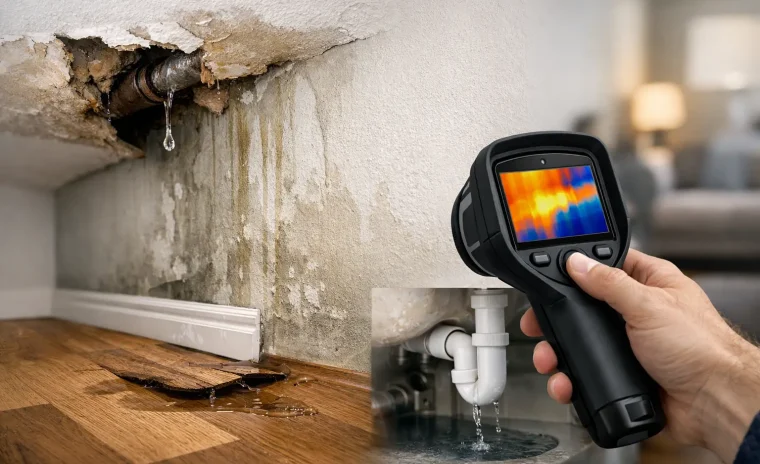
A water leak does not always announce itself with a puddle under the sink. It may show up as a water bill that climbs for no clear reason, a warm patch of flooring, peeling paint near a bathroom, or the sound of water moving when every fixture is off. These hidden leak signs can mean water is escaping inside a wall, beneath a slab, in a ceiling, or along an underground service line.
In Southern Arizona, where water is too valuable to waste and many properties have aging plumbing systems, a small leak deserves prompt attention. The goal is not simply to dry the visible area. It is to find the source, understand why it failed, and make a repair that reduces the chance of another problem nearby.
The Most Common Hidden Leak Signs
A concealed leak often starts quietly. Knowing what to watch for gives you a better chance of scheduling repair before moisture damages framing, flooring, drywall, cabinets, or a building’s foundation.
An Unexplained Increase in Your Water Bill
Your usage habits have not changed, but the bill has. That is one of the clearest early warnings of a leak, particularly if the increase continues month after month. A running toilet can cause this too, so it is worth checking toilets and obvious fixtures first. If they appear normal, the water loss may be happening out of sight.
A simple meter check can help. Turn off faucets, irrigation, appliances using water, and ice makers if possible. Then watch the water meter. If it continues registering flow, water may be moving through a leak. This is useful information, but it does not identify the exact pipe or tell you how serious the damage is.
Water Sounds When Nothing Is Running
Hearing a faint hiss, trickle, or steady rushing sound inside a wall or below a floor is not something to ignore. Pressurized water lines can leak continuously, even when no one is using a sink, shower, or toilet. The sound may be most noticeable at night, when the house is quiet.
Not every pipe sound indicates an emergency. Pipes can expand and contract with temperature changes, and some plumbing systems make normal noise during use. Constant water noise while fixtures are off is different. It calls for a professional inspection.
Warm or Damp Spots on Floors
A hot-water slab leak may create one section of floor that feels noticeably warmer than the surrounding area. Damp carpet, warped flooring, loose tile, or a persistent musty smell can also point to water underneath the surface.
Slab leaks require careful diagnosis. Cutting into floors based on a guess can create unnecessary disruption, while waiting too long can allow moisture to spread. Leak detection equipment helps locate the likely source so the repair plan is based on evidence, not trial and error.
Stains, Bubbling Paint, or Soft Drywall
Ceilings and walls often reveal a leak after water has traveled some distance from the actual pipe break. A yellow-brown stain, paint that bubbles or peels, sagging drywall, or a wall that feels soft to the touch may be the first visible clue.
Do not assume the source is directly above the stain. Water follows framing, pipes, insulation, and gravity. A bathroom, laundry area, water heater, roof penetration, or pipe on another side of the wall may be involved. A plumbing diagnosis can determine whether the moisture is coming from a supply line, drain line, fixture connection, or another source.
Moldy or Musty Odors That Keep Returning
A bathroom that smells damp after every shower may simply need better ventilation. But an odor that remains after the room dries, returns after cleaning, or appears in a closet, hallway, or cabinet can signal hidden moisture. Mold growth needs moisture to continue, so locating the water source matters more than masking the smell.
This is especially important for rental properties, offices, retail spaces, and other commercial buildings. A small ongoing leak behind a wall can affect finishes, inventory, indoor comfort, and tenant operations long before it becomes visibly obvious.
Low Water Pressure in One Area or Throughout the Property
Low pressure can come from mineral buildup, a failing pressure regulator, a partially closed valve, or a plumbing leak. In Tucson-area homes, hard-water scale is a common factor, so pressure loss should not automatically be blamed on a broken pipe.
Still, a sudden pressure change, especially when paired with high water usage or damp areas, should be evaluated. A dependable plumber will test the system and explain the cause instead of recommending a repair before the evidence is clear.
Hidden Leak Signs Outside the Building
Outdoor leaks can waste substantial water without creating an obvious indoor problem. Walk the property periodically, especially if your bill rises or you notice changes around the foundation.
Look for a consistently green patch of landscape, soil that stays muddy when irrigation is off, sinking ground, water pooling near the foundation, or a section of concrete that remains damp. A leak in the main water line may also reduce water pressure indoors. If the leak is near the building, moisture can work toward the foundation or create conditions that damage exterior surfaces.
Irrigation leaks are common, but they are not the only possibility. A plumber can help separate a landscape issue from a leak in the home’s water service line. That distinction affects the repair method, cost, and urgency.
What to Do When You Suspect a Hidden Leak
Start by limiting damage. If water is actively appearing through a ceiling, wall, or floor, shut off the building’s main water supply if it is safe to do so. Avoid using nearby fixtures until the source is known. For ceiling moisture near electrical fixtures, stay clear of the area and use caution.
Take photos of stains, damaged flooring, meter readings, or pooling water before cleanup when practical. They can help document changes and may be useful for property records or insurance discussions. Then schedule professional leak detection rather than opening walls, flooring, or landscaping based on a hunch.
A proper visit should include a discussion of the symptoms, system testing, and a clear explanation of what was found. Depending on pipe location and condition, options may include a direct pipe repair, rerouting a line, replacing a damaged section, or considering repiping when repeated failures show the system is reaching the end of its useful life. The right choice depends on access, pipe material, the extent of corrosion, and whether other parts of the plumbing are at risk.
Why Quick Repairs Protect More Than Your Water Bill
A small supply-line leak can run continuously under pressure. Over time, that means wasted water, higher utility costs, moisture damage, and a greater chance of mold or structural repairs. A drain leak may not raise the water bill, but it can still damage cabinets, drywall, subfloors, and framing every time a fixture is used.
The lowest-cost repair is not always the best long-term value. Patching one pinhole in an older corroded line may be reasonable if the rest of the piping is sound. If leaks have appeared in several locations, however, repeated spot repairs can become more disruptive and expensive than a planned replacement strategy. Clear options matter because every property and budget is different.
For commercial properties, early action also helps avoid interruptions. A leak in a restroom wall, breakroom, utility room, or tenant space can quickly become a scheduling and sanitation concern. Prompt diagnosis allows facility managers and owners to plan repairs with less disruption to staff and customers.
Get the Source Identified Before Damage Spreads
Hidden leaks are rarely solved by covering a stain or replacing a piece of damaged drywall. The visible symptom may be small while the plumbing issue behind it is still active. If you notice unexplained water use, recurring moisture, warm flooring, musty odors, or unexplained pressure changes, arrange a professional evaluation.
Acclaimed Drain And Plumbing Solutions LLC provides leak detection and repair for homes and commercial properties across Southern Arizona, with clear options and clean workmanship focused on correcting the underlying issue. Acting early gives you more repair choices, better control of costs, and a stronger chance of keeping a minor leak from becoming major property damage.