Claim Your Free Estimate Today
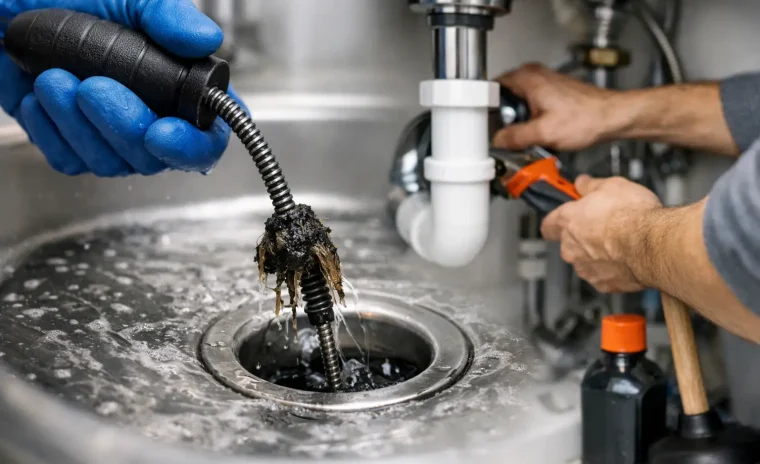
A sink that clogs again a week after being cleared is not just inconvenient. It is a sign that the blockage was relieved, not removed. Knowing how to clear recurring drains starts with recognizing the difference between a simple fixture clog and a problem deeper in the drain or sewer line. The right solution restores proper flow without putting your pipes, property, or health at risk.
For homeowners and property managers across Southern Arizona, repeat clogs often begin as a slow kitchen sink, a shower that pools around your feet, or a toilet that needs a second flush. Left alone, they can turn into wastewater backups, damage to flooring, and disruption to a household or business. A clear diagnosis is what separates a short-lived fix from a repair done right.
Why a Drain Keeps Clogging After You Clear It
A drain can appear clear even when a heavy buildup remains inside the pipe. A plunger, small drain snake, or store-bought chemical may punch a narrow path through grease, hair, soap residue, or paper products. Water moves for a while, but the material still coating the pipe catches new debris quickly.
Kitchen drains commonly struggle with grease, food scraps, coffee grounds, and detergent residue. Even if grease goes down the drain as a liquid, it cools farther down the line and sticks to pipe walls. In bathrooms, hair and soap scum form dense clogs that often sit at the drain opening or trap. Commercial sinks and floor drains may collect heavier grease, sediment, or debris depending on how the space is used.
Not every recurring clog comes from everyday use, though. Older homes can have cracked, offset, corroded, or sagging drain lines. Tree roots can enter small openings in sewer pipes and continue growing inside the line. In these cases, clearing the clog without inspecting the pipe can leave the underlying condition untouched.
Start by Identifying Where the Problem Is
The location of the symptoms provides useful clues. If one bathroom sink drains slowly while everything else works normally, the clog is likely near that fixture. Removing hair from the stopper and cleaning the trap may solve it.
If several fixtures drain slowly, make gurgling sounds, or back up at the same time, the issue may be in a shared branch line or the main sewer line. A toilet that bubbles when the washing machine drains, for example, points to restricted flow farther down the system. Water coming up through a shower, tub, floor drain, or cleanout is a more urgent warning. Stop using water fixtures and arrange professional service before more wastewater enters the property.
For businesses, recurring floor-drain or restroom backups should be treated quickly. Beyond the sanitation concern, a closure or cleanup can affect customers, employees, and operations. The goal is not simply to get water moving before the next shift. It is to find the restriction and verify that the drain line is flowing as it should.
Safe First Steps for a Simple Fixture Clog
When only one sink, shower, or tub is draining slowly and there is no sewage backup, a few careful steps may be appropriate. Remove visible hair and debris from the stopper or drain screen first. In a bathroom sink, cleaning the pivot rod and stopper assembly can make a noticeable difference.
A plunger can help with a soft, localized clog. For sinks, cover the overflow opening with a wet cloth to improve suction. Use steady plunges rather than forceful pounding. If you use a hand snake, work slowly and stop if it binds hard. Aggressive twisting can damage certain fixtures or push debris farther into a difficult spot.
Avoid mixing drain cleaners or following one chemical product with another. Chemical cleaners can create heat, fumes, and splashing hazards. They can also damage older pipes, rubber seals, and finishes, especially when used repeatedly. If a professional later needs to open the line, residual chemicals create an added safety risk for the technician.
A little hot water may help loosen fresh grease in a kitchen sink, but it will not remove a solid grease buildup or fix a damaged sewer line. It also depends on the plumbing material and condition. A repeat clog after basic cleaning is a reason to stop escalating do-it-yourself methods and get the line evaluated.
How to Clear Recurring Drains at the Source
Professional drain clearing begins with the right diagnostic approach. The method should match the type of pipe, location of the restriction, and likely cause. Sending the same tool into every drain may restore flow temporarily, but it does not always clean the pipe or reveal a structural defect.
For many localized clogs, professional cabling can remove hair, paper buildup, roots, or compacted debris. The technician selects the proper cable and cutting head for the line, then confirms that water flows freely afterward. This can be an effective solution when the pipe itself is sound and the blockage is isolated.
Hydro jetting is often the better choice when grease, sludge, scale, or widespread buildup is coating the inside of a drain line. High-pressure water scours the pipe walls rather than merely creating a hole through the clog. It is particularly useful for kitchen lines, commercial drains, and sewer lines with recurring buildup. However, hydro jetting is not a one-size-fits-all answer. A severely damaged, brittle, or collapsed pipe should be inspected before high-pressure cleaning is considered.
A sewer camera inspection provides the clearest picture when clogs keep returning. A camera can show root intrusion, standing water in a sagging line, broken pipe sections, scale, construction debris, or a partial obstruction that is catching waste. It also helps confirm whether cleaning resolved the issue. That information gives property owners clear options instead of guesswork.
When Recurring Clogs Point to Sewer Repair
Repeated main-line backups, persistent root growth, and older deteriorated pipe can require more than drain cleaning. Roots may be cut out during service, but they can return if the pipe has openings at joints or cracks. Likewise, a line with a low spot can collect water and solids again and again, no matter how thoroughly it is cleared.
The right repair depends on the pipe’s condition and layout. Some problems call for a targeted repair. Others may be good candidates for trenchless sewer lining, which can create a new pipe within an existing damaged line with less disruption than traditional excavation. A camera inspection and a straightforward explanation of the findings should come before a major repair recommendation.
Watch for signs that you are beyond a routine clog: wastewater backing up into tubs or showers, sewage odors around drains or outdoors, lush patches above a sewer route, recurring backups after professional cleaning, or multiple fixtures affected at once. These conditions deserve prompt attention because delay can increase cleanup costs and damage.
Prevent Repeat Clogs After the Line Is Restored
Prevention works best after the drain has been fully cleaned and any pipe damage has been addressed. Use drain screens in showers and bathroom sinks, and clean them regularly. Keep grease, oils, coffee grounds, wipes, paper towels, hygiene products, and food scraps out of drains. Products labeled flushable can still create trouble in many plumbing systems.
For kitchen sinks, collect cooled grease in a container and dispose of it in the trash. If your home has hard water, mineral scale can also narrow older drain lines over time. Regular maintenance may be worthwhile for high-use kitchens, rental properties, restaurants, or homes with a known history of root intrusion.
Do not wait for a full backup to schedule service. A drain that is slowing down again is easier and cleaner to address before wastewater reaches a living area, restroom, or work space.
Get a Clear Answer Before the Next Backup
Recurring drain problems deserve more than repeated plunging and chemical treatments. Acclaimed Drain And Plumbing Solutions LLC helps Southern Arizona property owners identify the real cause, explain clear repair options, and restore dependable flow with clean workmanship. With more than 20 years of experience, the focus is on durable solutions, whether the answer is targeted drain cleaning, hydro jetting, camera inspection, or sewer repair.
If a drain keeps clogging, especially if more than one fixture is involved, treat it as useful information from your plumbing system. Addressing the cause now can protect your property from a much larger and messier problem later.