
Claim Your Free Estimate Today
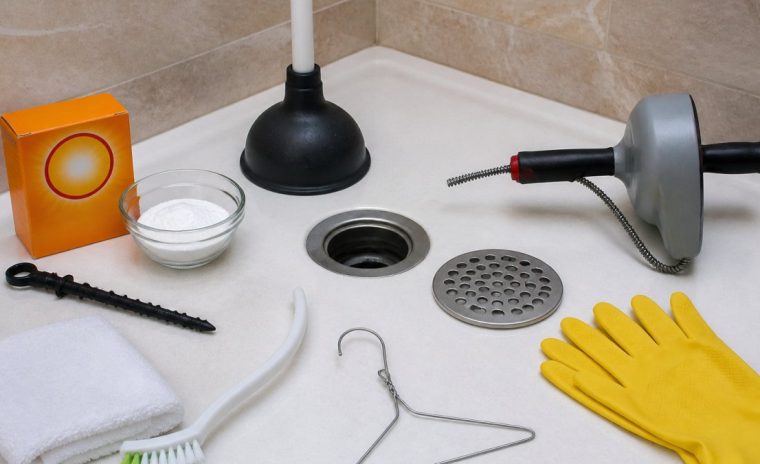
Table of Contents
- 7 Ways to Clear a Clogged Shower Drain
- 1. Use a Plunger to Dislodge the Clog
- 2. Try the Baking Soda and Vinegar Method
- 3. Remove the Drain Cover and Pull Out Hair Manually
- 4. Use a Plastic Drain Snake or Zip Tool
- 5. Pour Boiling Water Down the Drain
- How Often Should You Clean Your Shower Drain
- When to Call a Professional Plumber
- Preventative Maintenance to Stop Future Clogs
- Frequently Asked Questions
Last Updated: October 1, 2026
7 Ways to Clear a Clogged Shower Drain
A clogged shower drain disrupts your morning routine and worsens if ignored. The good news: most clogs can be cleared without a plumber. Below, we’ll share 7 ways to clear a clogged shower drain using seven different approaches, from simple tools you already have at home to specialized equipment that handles tougher blockages.
Methods range from zero-cost solutions to affordable tools under $15. Some work best for surface hair clogs; others reach deeper into your drainage system. The key is matching the technique to your situation and knowing when to call a professional.
1. Use a Plunger to Dislodge the Clog
A plunger creates suction that dislodges clogs caused by hair and soap buildup. Fill your shower basin with 3-4 inches of water to create a seal. Position the plunger over the drain, ensuring the cup covers it completely. Push down and pull up rapidly 15-20 times. After each set, check if water drains. Repeat if necessary.
A specialized plunger designed for tubs and showers can work better than a standard toilet plunger. Some models feature a tapered design that fits various drain sizes and creates superior suction.
Pro Tip
The most common mistake is breaking the seal too early. Keep the plunger cup pressed firmly against the drain throughout the entire plunging motion. Even a tiny gap reduces suction and makes the method ineffective.
The most common mistake is breaking the seal too early. Keep the plunger cup pressed firmly against the drain throughout the entire plunging motion. Even a tiny gap reduces suction and makes the method ineffective.
2. Try the Baking Soda and Vinegar Method
Baking soda and white vinegar create a chemical reaction that dissolves soap scum and breaks down organic matter on slow-draining pipes and minor clogs. Pour half a cup of baking soda down the drain, followed immediately by one cup of white vinegar. Cover the drain opening with a wet cloth to contain the reaction. Let it sit for 30-60 minutes, then flush with boiling water.
This method costs almost nothing and is safe for all pipe materials. The downside: it won’t clear deep clogs or solid blockages, working best on preventative maintenance or early-stage clogs.
Watch Out
Never mix baking soda and vinegar with commercial drain cleaners. The combination can create dangerous fumes and damage your pipes.
Never mix baking soda and vinegar with commercial drain cleaners. The combination can create dangerous fumes and damage your pipes.
3. Remove the Drain Cover and Pull Out Hair Manually
Most shower drain clogs are caused by hair tangled around the drain strainer. Unscrew or pry off the drain cover using a flathead screwdriver. Once removed, pull out the hair mass using your fingers, needle-nose pliers, or tweezers. This single step clears many clogs completely.
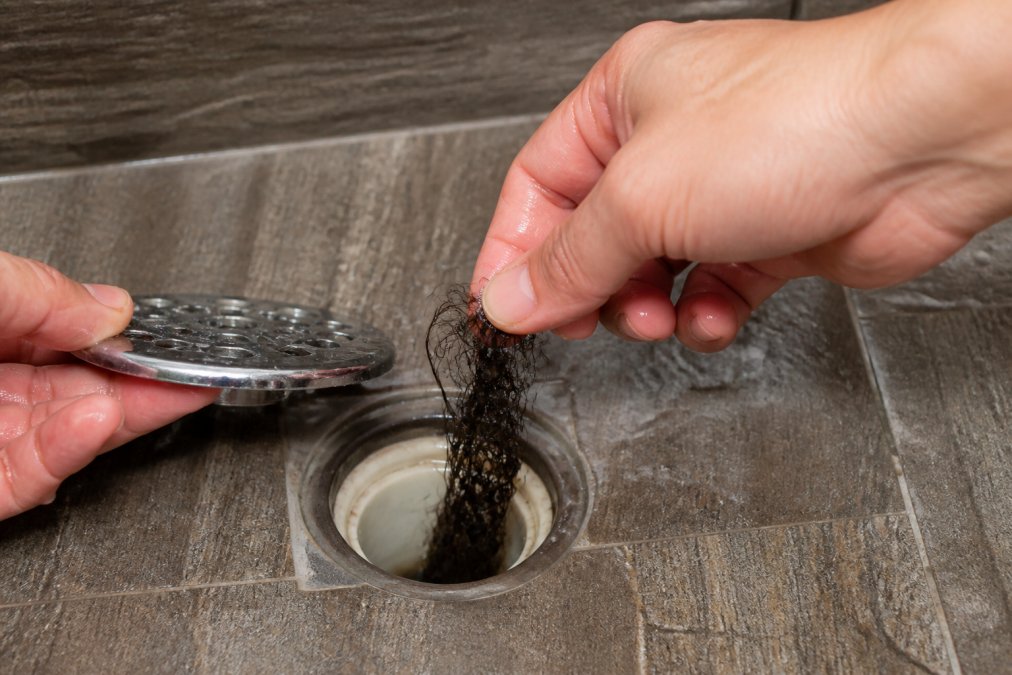
Some clogs extend deeper into the P-trap, so this method won’t always solve the problem completely.
Key Takeaway
Manual hair removal is the fastest and cheapest solution when the clog sits near the drain opening. Check your drain cover monthly to prevent hair from accumulating.
Manual hair removal is the fastest and cheapest solution when the clog sits near the drain opening. Check your drain cover monthly to prevent hair from accumulating.
4. Use a Plastic Drain Snake or Zip Tool
A plastic drain snake reaches deeper into your drainage system to hook and pull out hair clogs. Some plastic drain snakes feature micro-hooks along their flexible cable. Insert the tool into the drain and twist while pushing forward. Pull back slowly to extract accumulated hair. Repeat if necessary.
5. Pour Boiling Water Down the Drain
Boiling water dissolves soap scum and melts grease buildup on slow drains caused by soap accumulation. The heat breaks down waxy residue clinging to pipe walls and can dislodge minor obstructions without chemicals or tools.
Identifying your pipe material first:
- Metal pipes (cast iron, galvanized steel): Boiling water is safe and effective. These materials withstand high temperatures without damage.
- PVC plastic pipes: Do NOT use boiling water. PVC begins to soften around 140°F and can warp or develop leaks under boiling water (212°F). If your home was built after 1980, you likely have PVC drains.
- Copper pipes: Safe for boiling water, though less common in modern shower drains.
- Older homes with unknown piping: If you’re unsure, use hot (not boiling) water from the tap instead, typically 120-140°F, which is safer and still effective on soap buildup.
Watch Out
Never use boiling water on PVC pipes. If you have PVC drains and need heat-based treatment, use hot tap water instead. Never pour boiling water down a drain that already has standing water, the sudden temperature change can crack porcelain fixtures or cause steam burns.
Never use boiling water on PVC pipes. If you have PVC drains and need heat-based treatment, use hot tap water instead. Never pour boiling water down a drain that already has standing water, the sudden temperature change can crack porcelain fixtures or cause steam burns.
How Often Should You Clean Your Shower Drain
Regular cleaning prevents clogs from forming. Most homeowners should clean their shower drain monthly to quarterly, depending on hair shedding and soap usage. The goal is removing hair buildup before it accumulates into a problematic clog.
Claim Your Free Estimate Today →
| Cleaning Frequency | Hair Type | Household Size | Method |
|---|---|---|---|
| Monthly | Long hair | 2+ people | Manual removal + baking soda/vinegar |
| Quarterly | Short hair | 1 person | Manual removal only |
| As-needed | Mixed | Variable | Boiling water for prevention |
When to Call a Professional Plumber
Call a professional plumber if:
- The clog persists after trying multiple methods above
- Water backs up into other fixtures (toilet, sink, tub)
- You suspect the clog is in the main sewer line rather than just the shower drain
- You hear gurgling sounds from other drains when the shower drains
- Foul odors come from the drain
- The clog returns within days or weeks despite your efforts
Professional plumbers use equipment homeowners don’t have access to, including deep-reaching snakes, hydro-jetting for stubborn buildup, and sewer cameras to identify clog location and pipe damage.
Preventative Maintenance to Stop Future Clogs
The best approach is preventing clogs before they start. Simple habits and the right tools reduce clogs dramatically and keep your drainage system working smoothly.
Understand chemical drain cleaners and why to avoid them:
- Pipe damage: Chemical cleaners corrode metal pipes over time and can crack PVC pipes, leading to leaks inside walls.
- Dangerous fume mixing: This is the critical safety issue. If you use a chemical cleaner and it doesn’t work, then try another method, you risk creating toxic fumes. Mixing different chemical cleaners is especially dangerous, for example, mixing bleach-based cleaners with ammonia-based products creates chlorine gas, which is lethal even in small amounts.
- Skin and eye burns: Splashing during application causes chemical burns. Plumbing mishaps mean you’re working near the chemical when it’s still active.
- Environmental harm: These chemicals enter waterways and persist in the environment.
What NOT to mix (critical safety rules):
- Baking soda and vinegar (creates a reaction that can force caustic material back up the drain)
- Bleach or other disinfectants
- Plunging (forces toxic fumes up and out of the drain)
- Another different chemical cleaner
Natural alternatives that are safer:
- Cannot create toxic fumes
- Won’t damage pipes
- Cost less
- Are safe to combine with other methods
- Work on the clog itself rather than relying on chemical reactions that can backfire
Behavioral habits that prevent clogs:
- Brush hair before showering: Removes loose hair before it enters your plumbing. Takes 30 seconds and eliminates the #1 clog cause.
- Tie long hair back during showers: Reduces hair shedding into the drain.
- Use less soap or switch to soap-free body wash: Soap scum builds up on pipe walls and traps hair. Less soap means less scum accumulation and fewer clogs.
- Run hot water through your drain weekly for 30 seconds: Helps dissolve soap buildup before it hardens. This is free and takes minimal effort.
- Monthly baking soda and vinegar treatments: Maintain pipe health and prevent slow drains from becoming clogs.
- Never pour grease, oil, or food debris down any drain: Even small amounts accumulate over time. These materials are especially problematic in shower drains where they mix with hair and create stubborn blockages.
Professional maintenance as insurance:
Pro Tip
The combination of a quality drain catcher, monthly natural treatments, and basic hair management prevents 95% of shower drain clogs. Focus on these three habits before considering any chemical or mechanical intervention.
The combination of a quality drain catcher, monthly natural treatments, and basic hair management prevents 95% of shower drain clogs. Focus on these three habits before considering any chemical or mechanical intervention.
Frequently Asked Questions
Is there anything I can pour down my shower drain to unclog it?
Yes. Boiling water works for minor clogs caused by soap scum. For organic buildup, pour one cup of baking soda followed by one cup of white vinegar, let it sit for 30 minutes, then flush with hot water. Enzyme-based drain treatments like Green Gobbler can also dissolve hair and soap over time. Avoid chemical drain cleaners, as they can damage older pipes and create safety hazards.
What are the best tools for clearing shower drain hair clogs?
Flexible plastic drain snakes work well for surface-level hair clogs near the drain opening. For deeper blockages, a manual hand-cranked auger can provide more reach and power. A plunger with a good seal is effective for dislodging clogs using suction. For stubborn clogs beyond DIY reach, professional drain cleaning with a motorized auger or hydro-jetting is necessary.
How often should you clean your shower drain?
Most homeowners should clean their shower drain every 1-3 months as preventative maintenance, depending on hair volume and water hardness. If you notice slow drainage or standing water, clean immediately. Installing a drain strainer like TubShroom can extend the time between cleanings by catching hair before it enters the pipes. Regular cleaning prevents major blockages and maintains steady water flow.
When should you call a professional plumber for a shower clog?
Call a professional if DIY methods fail after two attempts, if you see signs of a main sewer line blockage (multiple drains backing up, sewage smell, wet spots in the yard), or if the clog returns within a few weeks. Also contact a plumber if you have older pipes that may be damaged by aggressive tools, recurring clogs that suggest deeper structural issues, or if you’re uncomfortable using drain tools. Professional diagnosis with sewer camera inspection identifies root causes.
Will pouring boiling water down a shower drain unclog it?
Boiling water can clear minor clogs caused by soap scum and grease buildup by melting the obstruction. However, it won’t remove solid blockages like hair clumps or debris. For best results, remove standing water first, pour boiling water slowly down the drain, wait 5-10 minutes, then flush with hot tap water. Boiling water is most effective as preventative maintenance rather than a cure for existing clogs.
