
Claim Your Free Estimate Today

Table of Contents
- 8 Key Signs You Need Whole House Repiping
- Average Life Expectancy of Plumbing Pipes by Material
- How Long Does a Whole House Repipe Take?
- Cost to Repipe a House: What to Expect
- Does Homeowners Insurance Cover Repiping?
- Why Professional Assessment Matters More Than DIY
- Frequently Asked Questions
Last Updated: August 16, 2026
8 Key Signs You Need Whole House Repiping
Your home’s plumbing infrastructure is one of those systems you don’t think about until something goes wrong. At Acclaimed Drain And Plumbing Solutions, LLC, we’ve evaluated hundreds of homes and identified the clearest warning signals that a whole-house repipe has become necessary. The distinction matters: some plumbing problems are isolated issues, while others signal systemic failure. When pipes are failing across multiple areas simultaneously or the underlying material is degrading, spot repairs become expensive band-aids. A whole-house repipe addresses the root problem: the pipes themselves.
Frequent Pipe Leaks and Bursts
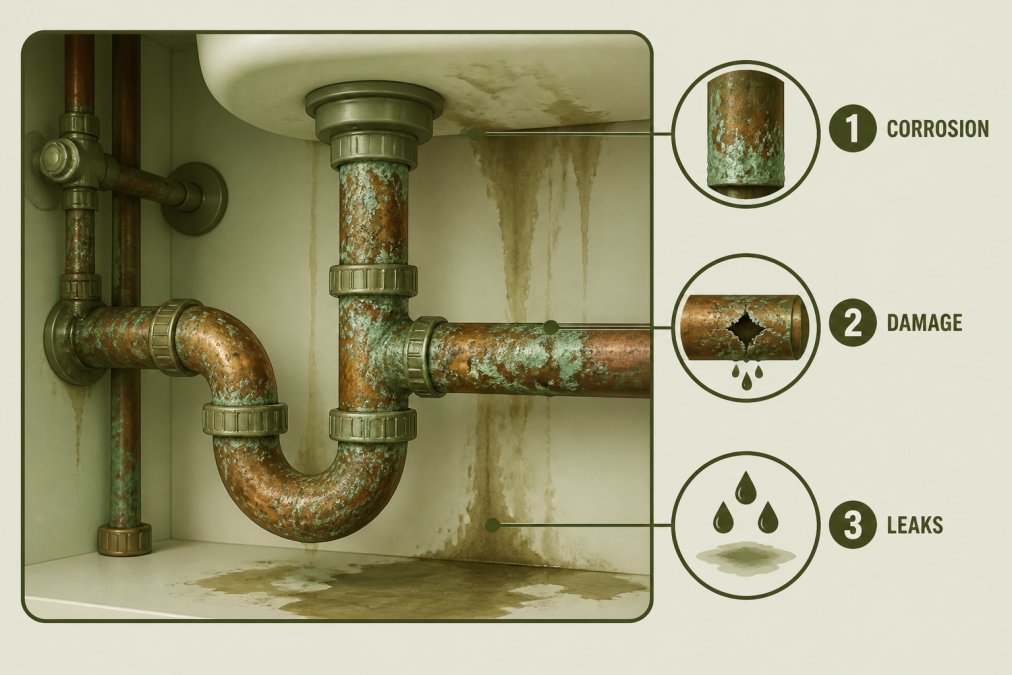
If you’re calling a plumber multiple times per year for leaks, you’re dealing with pipe degradation, not bad luck. Pinhole leaks are particularly telling, these tiny holes appear in copper pipes as corrosion eats through from the inside out. You might see one pinhole leak, fix it, then discover three more within months. This pattern indicates widespread corrosion.
Pipe bursts during winter or after pressure surges are another red flag. If your pipes have burst once, they’re vulnerable to bursting again. Rather than living with the constant threat of water damage and emergency costs, many homeowners choose to repipe proactively.
Discolored or Rusty Water
When you turn on a tap and brown or reddish water comes out, you’re seeing pipe corrosion in action. This discolored water contains sediment and rust particles from the interior walls of aging pipes. Rusty water is particularly common in homes with galvanized steel pipes, which corrode as the zinc coating deteriorates.
If you’re filtering water heavily at every tap or buying bottled water because your tap water looks questionable, a whole-house repipe with modern piping materials like PEX or copper will restore water clarity and quality.
Low or Inconsistent Water Pressure
When you notice weak flow from showers, faucets, or fixtures throughout your home, the problem usually isn’t your water main, it’s your home’s internal plumbing infrastructure. Sediment accumulation inside aging pipes gradually restricts water flow. Scale buildup from hard water compounds the problem. Over time, the interior diameter of your pipes shrinks, and water pressure drops noticeably.
Low water pressure that affects multiple fixtures simultaneously strongly suggests your plumbing system as a whole needs replacement.
Unusual Noises in Pipes
Banging, clanking, or whistling sounds coming from inside your walls indicate several possible problems. Water hammer, that loud bang when you shut off a faucet, happens when water pressure surges through pipes. Older, corroded pipes with weakened walls are more prone to these pressure-related noises. Creaking or popping sounds often mean pipes are expanding and contracting abnormally due to corrosion or structural stress. Whistling usually indicates water is being forced through narrowed pipe openings due to sediment or scale buildup.
These noises aren’t just annoying, they’re symptoms of pipes under stress.
Metallic or Foul-Tasting Water
The water from your tap should be clear, odorless, and neutral-tasting. If it tastes metallic, you’re tasting dissolved minerals or metals leaching from corroded pipes. Foul or sulfur-like tastes indicate bacterial growth or chemical contamination within the pipes themselves.
These taste and odor problems are signs that your water is picking up contaminants as it travels through failing pipes. A whole-house repipe with modern materials eliminates the source of contamination.
Visible Corrosion or Gray Plastic Pipes
If you can see your pipes in basements, crawl spaces, or under sinks, inspect them visually. Green or blue patina on copper pipes indicates active corrosion. White or blue-green crusty buildup is corrosion deposits. Gray plastic pipes are polybutylene, a material used in homes built during the 1980s and early 1990s. Polybutylene is known for becoming brittle and failing prematurely, often between 10-15 years of use. If your home has polybutylene pipes, a whole-house repipe is urgent. These pipes fail without warning, and the cost of emergency water damage far exceeds the cost of planned replacement.
Average Life Expectancy of Plumbing Pipes by Material
Galvanized steel pipes, common in homes built before the 1980s, typically last 40-80 years, with 50-60 years as a practical failure window in many homes. These pipes are prone to sediment buildup, rust, and pinhole leaks as they age.
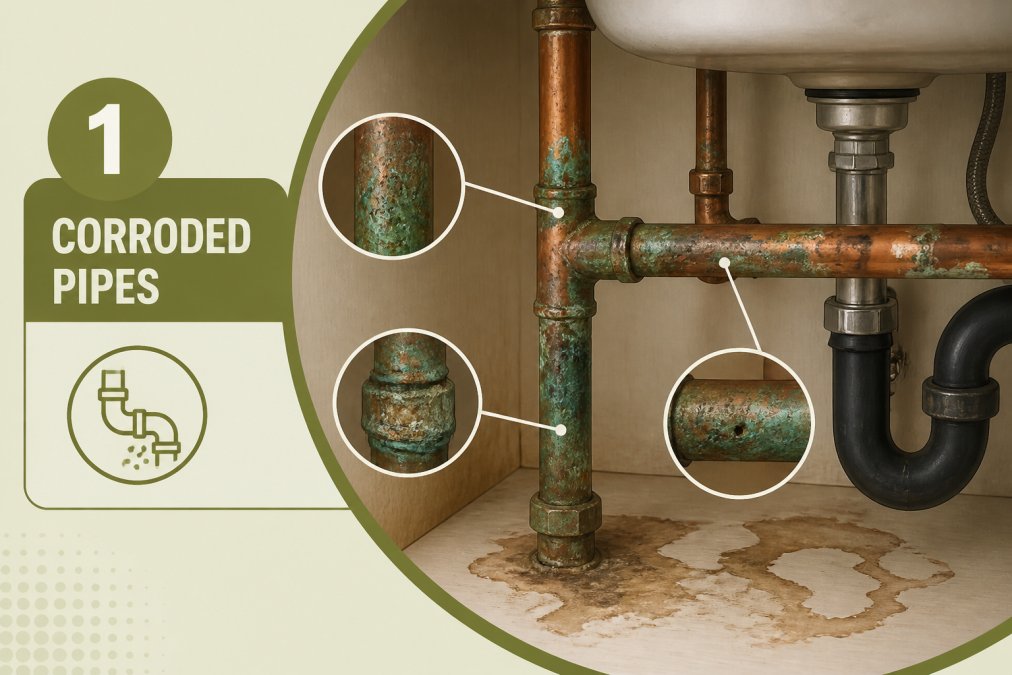
Copper piping, installed in many homes from the 1980s onward, generally lasts 50-100 years. However, copper is vulnerable to corrosion in certain water conditions, particularly acidic water. Some homes experience pinhole leaks much earlier than expected due to water chemistry issues.
PEX (cross-linked polyethylene) piping, the modern standard for new construction and repiping projects, is designed to last 40-50 years or more with proper installation. It’s resistant to corrosion, flexible enough to navigate building structures with minimal fittings, and compatible with various water conditions.
Polybutylene pipes should be replaced immediately regardless of age. This material is inherently unstable and fails prematurely, with an average lifespan of 15-30 years.
How Long Does a Whole House Repipe Take?
The timeline for a whole-house repipe varies based on home size, layout complexity, and access to existing pipes. A straightforward repipe of a single-story home might take 3-5 days. A two-story home with complex routing could take 7-10 days. Multi-story homes or those with difficult-to-access plumbing might require 2-3 weeks.
Claim Your Free Estimate Today →
Homes with basements or crawl spaces allow easier pipe routing and typically finish faster than homes built on slabs. Older homes with walls that require significant opening take longer than newer homes with accessible attic or basement spaces. PEX installation is often faster than copper because it requires fewer fittings and connections.
Most repipe projects are disruptive but manageable. Plumbers will shut off your water during active work. Your plumber should explain the timeline and disruption level upfront. Professional assessment by the team at Acclaimed Drain And Plumbing Solutions, LLC gives you a specific timeline estimate based on your home’s actual layout and conditions.
Cost to Repipe a House: What to Expect
Cost depends on your home’s square footage, the complexity of your plumbing layout, the material you’re upgrading to, local labor rates, and whether additional work like drywall repair or foundation access is needed. PEX is typically less expensive than copper due to material and labor efficiency.
Additional costs beyond the basic repipe include permits, which are required in most jurisdictions; drywall repair if pipes run through walls; water heater modifications if your new piping system requires adjustments; and trenchless technology if needed for water main issues.
Acclaimed Drain And Plumbing Solutions, LLC offers financing options for eligible projects, making whole-house repiping more accessible. A free estimate from a professional plumber is the only way to get accurate pricing for your specific situation. Consider the cost against the alternative: ongoing leak repairs, water damage, low pressure problems, and the eventual emergency burst that forces expensive repairs on an emergency timeline. A planned repipe is always cheaper than repeated emergency fixes.
Does Homeowners Insurance Cover Repiping?
Most standard homeowners insurance policies do not cover whole-house repiping as a preventative measure. Insurance typically covers sudden, accidental damage, such as a pipe burst that causes water damage, but not the cost of replacing aging pipes before they fail. Some policies have specific exclusions for damage caused by corrosion, wear and tear, or gradual deterioration.
However, if you have a history of pipe leaks or water damage claims, your insurer might eventually decline coverage or raise your premiums significantly. This creates a financial incentive for proactive repiping. Replacing failing pipes before they cause damage protects your home equity and prevents insurance complications.
The resale value impact is real. Homes with updated plumbing systems are more attractive to buyers and appraisers. A home with documented recent repiping often appraises higher and sells faster than one with aging, problematic plumbing.
Why Professional Assessment Matters More Than DIY
You can buy a water pressure gauge or a basic water test kit and get some information about your plumbing system’s condition. But DIY assessment has serious limitations. A pressure gauge tells you your water pressure at one point in time, not whether your pipes are corroding. A basic water test tells you some things about water quality but not whether your pipes are the source of the problem.
Professional assessment involves comprehensive evaluation. A licensed plumber like those at Acclaimed Drain And Plumbing Solutions, LLC uses professional diagnostic equipment, sewer cameras for detailed internal inspection, and systematic evaluation of your entire plumbing infrastructure. They identify not just what’s failing but why it’s failing and what the best solution is.
Professionals understand building codes, permit requirements, and proper installation standards. They can identify hidden problems, corrosion behind walls, sediment in main lines, pressure issues you haven’t noticed, that DIY assessment misses entirely. A professional evaluation also provides documentation valuable to buyers and appraisers.
| Assessment Method | What It Tells You | What It Misses | Best Used For |
|---|---|---|---|
| Water Pressure Gauge | Current pressure reading at one fixture | Corrosion, sediment, system-wide issues | Quick baseline check |
| DIY Water Test Kit | Basic contaminants and pH | Comprehensive analysis, pipe source issues | General water quality screening |
| Inspection Camera | Visual condition of accessible pipe sections | Hidden corrosion, main line problems, overall system health | Investigating specific suspected problems |
| Professional Assessment | Complete plumbing system evaluation, material condition, code compliance, specific recommendations | Nothing, comprehensive evaluation | Making informed repipe decisions |
If you’re seeing any combination of these signs, frequent leaks, discolored water, low pressure, unusual noises, or visible corrosion, your home’s plumbing infrastructure is likely failing. Whole-house repiping isn’t a luxury upgrade; it’s a necessary investment in your home’s functionality and your peace of mind. Rather than continuing to patch problems, addressing the root cause restores steady flow across fixtures and main lines, improves water pressure and reliability, and prevents the leaks and water damage that plague aging systems. The team at Acclaimed Drain And Plumbing Solutions, LLC can evaluate your specific situation and provide a clear assessment of whether repiping is necessary now or something to plan for soon. Claim Your Free Estimate Today to get professional guidance tailored to your home.
Frequently Asked Questions
How do I know if my house needs whole house repiping?
Watch for recurring leaks, discolored water, low pressure, metallic taste, or banging noises. Homes with galvanized steel pipes over 40 years old, polybutylene pipes, or pinhole leaks are strong candidates. If you’re experiencing multiple plumbing failures within a short period, repiping may be more cost-effective than repeated repairs. A professional plumbing inspection with video camera assessment can confirm whether your plumbing infrastructure has failed beyond spot repair.
How much does it cost to repipe a house?
Whole-house repiping costs depend on home size, layout, pipe material selection, and local labor rates. Pricing varies significantly based on whether walls require opening and whether you choose PEX, copper, or other materials. Rather than guessing, contact Acclaimed Drain & Plumbing Solutions for a free estimate tailored to your specific home and situation. We provide transparent quotes and financing options for eligible projects.
Does homeowners insurance cover repiping?
Most standard homeowners insurance policies do not cover whole-house repiping as a preventative measure. However, insurance may cover damage caused by a sudden pipe burst or leak. Some policies offer coverage for specific pipe failures like polybutylene. Your best approach is to review your policy details with your insurance agent and discuss whether coverage applies to your situation. Repiping as a preventative measure is typically a homeowner’s responsibility.
How long does a whole house repipe take?
Timeline varies by home size, complexity, and pipe material. Most single-family homes take 3 to 10 days, though some larger or more complex projects may extend longer. The process involves turning off the main water supply, removing old piping, installing new lines, testing for code compliance, and restoring walls. Professional crews work efficiently to minimize disruption. Acclaimed Drain & Plumbing Solutions will provide a realistic timeline during your free estimate based on your home’s specific layout and needs.
