Claim Your Free Estimate Today
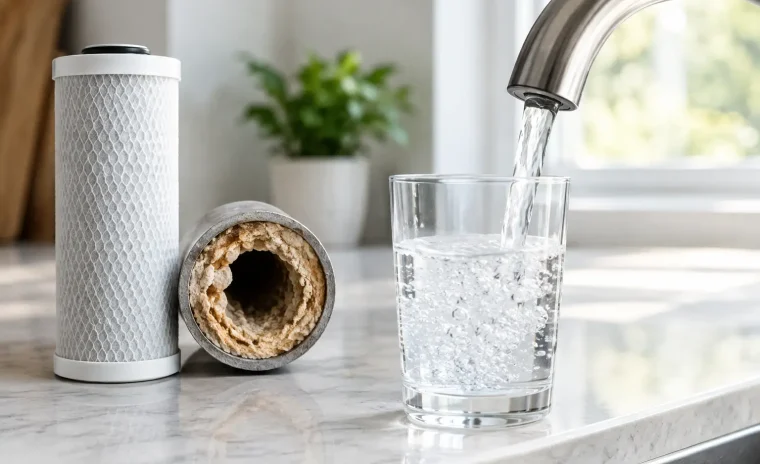
White crust around a faucet, cloudy glassware, stiff laundry, and a water heater that seems to work harder than it should are familiar signs in Southern Arizona. If you are wondering how to reduce hard water, the right answer depends on whether you need to remove the minerals from your water, protect specific fixtures, or deal with scale that has already built up inside your plumbing.
Hard water is common throughout Tucson and surrounding communities because the water supply naturally picks up calcium and magnesium minerals. Those minerals are not usually a health concern, but they can be hard on plumbing systems, appliances, fixtures, and cleaning routines. A dependable solution starts with identifying the actual level of hardness and choosing treatment that fits the property.
What Hard Water Does to Your Plumbing
Hard water leaves mineral deposits as water dries or heats up. You may see the evidence first on shower doors, faucets, and dishes, but the more costly effects can occur out of sight.
Inside a water heater, mineral sediment can settle at the bottom of the tank or collect on heating components. This reduces efficiency and can contribute to popping or rumbling noises, longer recovery times, and premature equipment wear. Tankless water heaters are also vulnerable because narrow internal passages can collect scale if routine flushing is skipped.
Scale can form inside supply lines, fixture cartridges, showerheads, ice makers, and appliances. It does not always create an immediate blockage, but over time it can restrict flow and make low water pressure worse. A faucet with weak flow may have a clogged aerator. If several fixtures have reduced pressure, the issue may be more extensive than one dirty screen.
For commercial properties, hard water can also affect dishwashers, coffee equipment, boilers, restroom fixtures, and any operation where downtime creates a disruption. The goal is not just to make surfaces look better. It is to reduce avoidable wear across the plumbing system.
Start With a Water Hardness Test
Before buying equipment, test the water. Home test strips can provide a general reading, while a professional test gives a clearer picture of hardness and may identify other concerns, such as high total dissolved solids, iron, chlorine, or unusual pH.
Hardness is commonly measured in grains per gallon or milligrams per liter. Water above about 7 grains per gallon is generally considered hard, while levels above 10.5 grains per gallon are very hard. Southern Arizona homes often fall into the hard to very hard range, but the numbers can vary by neighborhood, water source, and whether the building already has treatment equipment.
Testing matters because water treatment should be sized to the property. An undersized softener may regenerate too often and still allow scale to pass through. An oversized system can cost more than necessary. A technician should also check the condition of the existing plumbing, water heater, shutoff valves, and drain connection before recommending an installation.
How to Reduce Hard Water at the Source
The most effective whole-home method for reducing hard water minerals is a properly sized ion-exchange water softener. This system uses resin beads to remove calcium and magnesium from the incoming water. During regeneration, the unit uses salt or potassium chloride to rinse collected minerals from the resin and restore its treatment capacity.
A softener protects the plumbing system as water enters the house, which makes it the strongest option for homes with widespread scale, frequent water heater sediment, and repeated fixture buildup. It can also help soap rinse more easily, reduce spotting, and improve the feel of laundry.
There are trade-offs. Conventional softeners need space, electrical power, a drain connection, and regular salt maintenance. They also add a small amount of sodium to the softened water. For people following a sodium-restricted diet, a separate drinking-water option may make sense. Potassium chloride is an alternative regenerant, though it typically costs more and may perform differently in colder conditions.
A well-installed system should include a bypass valve. The bypass allows service or maintenance without shutting off water to the entire building. Placement matters, too. In many homes, the softener is installed after the main shutoff so it treats indoor water while leaving irrigation lines untreated. Softening landscape water is usually unnecessary and wastes treatment capacity.
Water Conditioners Are Not the Same as Softeners
Some systems are marketed as salt-free water conditioners or descalers. These may change how minerals behave, helping reduce the way scale sticks to certain surfaces. They do not remove hardness minerals from the water in the same way an ion-exchange softener does.
That distinction is worth making before you invest. A conditioner may be a reasonable choice for a property where salt use, drainage, or maintenance is a concern and the main goal is scale control. It may not deliver the same results for laundry, soap performance, water heater protection, or visible mineral residue. Clear options begin with an honest explanation of what each system can and cannot do.
Use Reverse Osmosis for Drinking Water, Not Whole-Home Softening
Reverse osmosis systems can reduce many dissolved substances at a dedicated drinking-water tap. They are useful for improving taste and reducing mineral content in water used for drinking and cooking. However, reverse osmosis is generally not designed to supply every shower, toilet, appliance, and faucet in a home.
Many properties benefit from a combination: whole-home softening for plumbing protection and a point-of-use reverse osmosis system for drinking water. The right setup depends on household needs, water test results, and the condition of the plumbing.
Manage Existing Scale While You Treat the Water
New treatment equipment can stop or slow future buildup, but it will not instantly remove scale already inside fixtures or appliances. Address the existing deposits carefully.
For faucet aerators and showerheads, remove the part if possible and soak it in white vinegar. Rinse it thoroughly and use a soft brush to clear mineral deposits. Avoid forcing debris back into the fixture, especially if the screen is brittle or corroded.
For shower glass, a mild acidic cleaner formulated for mineral buildup can help. Follow the product directions, ventilate the area, and never mix cleaning products. Abrasive pads may scratch glass, chrome, and specialty finishes, creating a surface that holds more residue later.
Water heaters need a different approach. Flushing can remove loose sediment, but heavy scale or an aging drain valve can complicate the job. If the heater is making noise, producing rusty water, leaking, or failing to maintain temperature, have it evaluated before attempting a flush. A professional can determine whether maintenance is appropriate or whether the unit has reached the point where replacement is the better long-term choice.
Protect Fixtures and Appliances Between Service Visits
Even with treatment in place, basic maintenance helps preserve flow and equipment life. Check faucet aerators and showerheads when flow drops. Clean dishwasher filters and follow appliance manufacturer guidance for descaling. Use the proper amount of detergent rather than adding more to compensate for poor results.
If you have a water softener, keep the brine tank supplied with the recommended salt product and check for salt bridging, which occurs when a hard crust forms above the water and prevents salt from dissolving correctly. Do not wait until scale returns to find out the unit stopped regenerating.
Pay attention to changes in water pressure, water heater performance, or the appearance of spots and buildup. These signs can indicate a softener setting issue, a failed control valve, exhausted resin, or another plumbing concern that needs diagnosis.
When Professional Water Treatment Makes Sense
A professional assessment is especially worthwhile when hard water is paired with low pressure, repeated water heater problems, leaking fixtures, or visible corrosion. Those conditions may involve more than mineral scale. Older galvanized piping, failing pressure regulators, hidden leaks, or deteriorated fixture components can create similar symptoms.
For homes and businesses in Southern Arizona, Acclaimed Drain And Plumbing Solutions LLC can test the system, explain the available treatment options, and install equipment with the surrounding plumbing in mind. The objective is clean workmanship and a solution that protects the property over time, not a temporary answer that leaves the underlying problem in place.
Hard water is easier to manage when you act before scale turns into restricted flow, appliance damage, or an unexpected water heater failure. A clear test result and a properly matched treatment plan give you a practical path forward – and help your plumbing work the way it should.