Claim Your Free Estimate Today
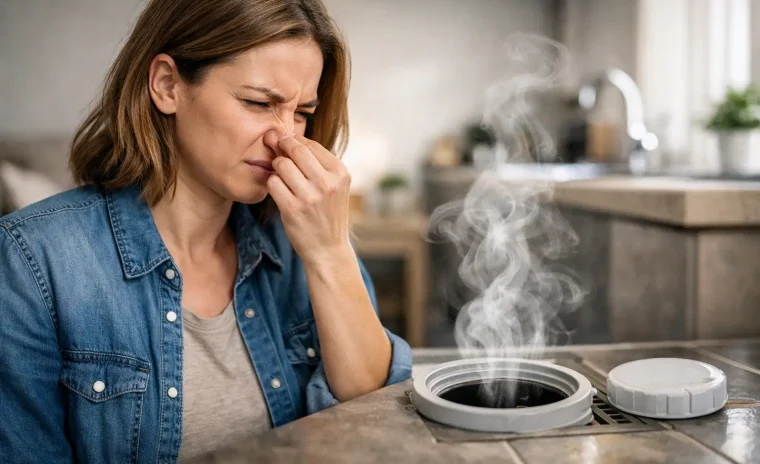
That rotten-egg, stale-drain, or sulfur-like odor is not something to cover with air freshener and hope disappears. A sewer gas smell in house may come from a simple dry drain trap, but it can also point to a damaged vent, a failed toilet seal, or a sewer line problem that needs prompt attention. The difference matters because the right repair restores proper drainage and keeps unpleasant odors from returning.
Sewer odors are especially frustrating because they often come and go. You may notice the smell after a bathroom has not been used for several days, when the washing machine drains, during hot Tucson weather, or after a heavy rain. A careful diagnosis identifies where the odor is entering the building before anyone recommends a repair.
What Causes a Sewer Gas Smell in House?
Your plumbing system is designed to keep sewer gases inside the drain and vent piping, then release them safely above the roofline. Water-filled traps, sealed connections, and clear vent pipes all work together to create that barrier. When one part of the system fails, odors can find their way indoors.
A dry P-trap
Every sink, shower, tub, floor drain, and other fixture drain should have a curved section of pipe called a P-trap. It holds water, creating a seal between your home and the sewer system. In a rarely used guest bath, laundry room, utility closet, or floor drain, that water can evaporate.
This is one of the easier causes to check. Slowly pour a few cups of water into the unused drain, then wait to see whether the odor improves. If the smell returns quickly, the trap may be leaking, the fixture may have a venting issue, or there may be another source nearby. For drains that sit unused for long periods, adding a small amount of mineral oil after filling the trap with water can slow evaporation.
A loose toilet seal or failed wax ring
A toilet does not need to leak water onto the floor to allow sewer odor into a bathroom. The seal at the base of the toilet can fail as a result of age, movement, flooring changes, or a loose toilet. The smell may be strongest around the base, particularly after flushing.
Do not ignore a toilet that rocks when you sit on it or one that has staining, soft flooring, or moisture around its base. Tightening bolts without identifying the cause can crack the porcelain or hide a larger problem. A plumber can inspect the toilet connection, replace the seal if needed, and confirm the flange and surrounding floor are in sound condition.
A blocked or damaged plumbing vent
Vent pipes allow air to move through the plumbing system so drains flow properly and gases exit outdoors. When a vent is blocked by debris, a bird nest, leaves, or a damaged pipe, the system can pull water out of nearby traps or push odors back into the home.
Signs of a vent problem can include gurgling toilets, bubbling drains, slow drainage in more than one fixture, or odors that appear when another fixture is used. Because vent piping is often on the roof or hidden behind walls, this is not a good issue to solve by guesswork. The repair depends on where the restriction or damage is located.
A cracked drainpipe or loose connection
Drain lines can develop cracks, shifted joints, or failed connections inside walls, below floors, in crawl spaces, or underground. In older homes, aging materials and previous repairs may contribute to the issue. In Southern Arizona, soil movement and long-term wear can also affect buried piping.
A damaged drainpipe may create a persistent odor in one room, but it can also lead to slow drains, staining, mold growth, or moisture damage. A camera inspection and targeted leak detection can help locate the actual failure without opening walls or excavating blindly.
A sewer line restriction or backup
If sewer gas odor comes with multiple slow drains, water backing up in a shower, a toilet that bubbles, or sewage at a cleanout, treat it as an urgent plumbing problem. A blockage in the main sewer line can keep wastewater and gases from moving out of the property as intended.
Tree roots, grease buildup, wipes, broken pipe sections, and offset joints are common causes. Clearing the line may restore flow, but a dependable repair starts with determining why the line clogged. For repeat sewer issues, camera inspection can reveal whether hydro jetting, spot repair, or trenchless sewer lining is the better long-term option.
What You Can Safely Check First
Start by identifying where and when you notice the odor. Is it limited to one bathroom? Does it come from a floor drain, under a sink, near the water heater closet, or from several rooms? These details help narrow the source.
You can run water for a minute in infrequently used fixtures, check under sinks for obvious dampness, and look for a toilet that moves or leaks around the base. Keep windows closed briefly while checking, since outdoor odors can sometimes enter through open windows or an HVAC intake.
Avoid pouring harsh drain chemicals into the plumbing system. They rarely fix the actual cause of sewer odors and can damage pipes, create fumes, or make professional diagnosis more difficult. Do not climb onto the roof to investigate a vent pipe unless you have the right equipment and experience. Roof access and plumbing vents can be hazardous, especially in high heat.
When to Call a Plumber Right Away
Call for professional help promptly if the odor is strong, persistent, or paired with drainage changes. A sewer gas smell may not always mean a dangerous emergency, but it should not be dismissed when the cause is unknown.
Request service sooner rather than later if you notice any of the following:
- Sewage backing up into a tub, shower, sink, or floor drain
- Multiple fixtures draining slowly or making gurgling sounds
- A rotten-egg odor near a toilet, drain, wall, or utility area that does not improve after traps are filled
- Wet spots, water damage, mold, or unexplained staining near plumbing
- A sewer smell affecting tenants, customers, employees, or shared commercial spaces
For homes and businesses, a recurring odor is a sign to look beyond quick deodorizing or repeated drain clearing. The goal is to find the failed seal, blocked vent, damaged pipe, or sewer line condition allowing odor into the structure.
How a Professional Diagnosis Solves the Real Problem
A plumbing visit should begin with questions and inspection, not an automatic recommendation for the most extensive repair. The technician should identify which fixtures are involved, inspect accessible traps and toilet connections, and evaluate drainage behavior. If the symptoms suggest a hidden line issue, camera inspection can provide a clear view of the pipe condition.
From there, the available options depend on the cause. A dry trap may need only a simple maintenance adjustment. A bad toilet seal may require resetting the toilet. A clogged sewer line may need professional cleaning, while a cracked or root-damaged line may call for repair or trenchless lining. The right solution is the one that addresses the condition creating the odor, not merely the symptom.
At Acclaimed Drain And Plumbing Solutions LLC, that means explaining the findings in plain language, providing clear options, and completing clean workmanship designed for lasting performance. Property owners deserve to know what is wrong, what repair is recommended, and why.
If the smell is new, do not wait for a backup to tell you it was a sewer problem. Fill unused drains, note where the odor is strongest, and arrange an inspection if it persists. Acting early can protect your indoor air, your plumbing system, and the areas of your property that are hardest to repair once damage spreads.