Claim Your Free Estimate Today
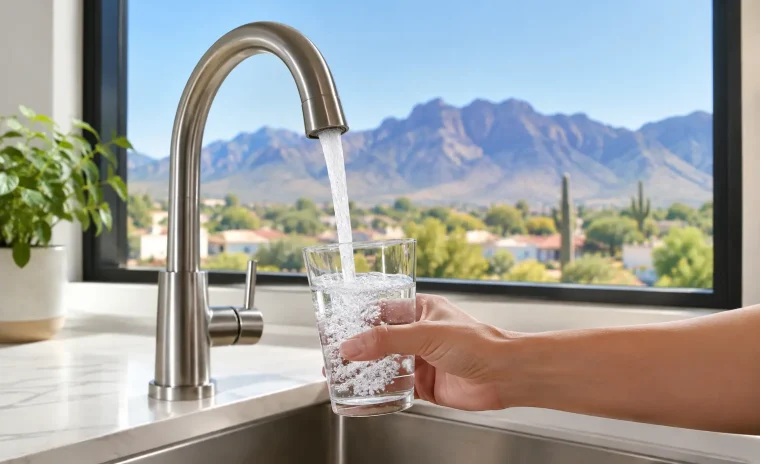
A white crust around faucets, cloudy glasses coming out of the dishwasher, dry skin after a shower, and a water heater that seems to work harder every year are not separate annoyances. In Southern Arizona, they often point to the same issue: water that needs the right treatment for the property. The best water quality solutions address what is actually in your water, how your building uses it, and what condition your plumbing is already in.
A pitcher filter may improve the taste of drinking water, but it will not stop mineral scale from collecting inside a water heater or restricting fixtures. On the other hand, a whole-home system can be the wrong investment if the problem is limited to one drinking-water concern. The right answer starts with a clear diagnosis, not a one-size-fits-all sales pitch.
Start With the Problem You Can See – and the One You Cannot
Water quality concerns usually fall into two categories. The first is water chemistry, such as hardness minerals, chlorine taste, odors, or specific contaminants identified through testing. The second is a plumbing condition that changes how water reaches your fixtures, including old supply pipes, sediment buildup, corroded components, or a failing water heater.
Hard water is especially common in the Tucson area. Calcium and magnesium can leave scale on shower doors and faucets, make soap harder to rinse, and build up in appliances that heat water. That buildup does not necessarily mean your water is unsafe, but it can shorten the useful life of equipment and create avoidable service costs.
Discolored water, metallic taste, intermittent odors, or low pressure deserve a closer look. Those symptoms can come from the water supply, but they can also come from aging pipes, a water heater, or a localized plumbing issue. Treating the water before identifying the source can leave the real problem in place.
For homes served by a private well, testing becomes even more important. Water conditions can vary over time and may call for treatment that is very different from what a municipal-water customer needs. Commercial properties also need to consider how water affects ice machines, breakroom fixtures, food-service equipment, boilers, and backflow assemblies.
How to Choose the Best Water Quality Solutions
The best water quality solutions are matched to a tested need and installed with the rest of the plumbing system in mind. A qualified plumbing professional should ask what you are noticing, inspect relevant equipment, discuss water use, and recommend clear options based on the findings.
Water Softeners for Hard-Water Protection
A water softener is designed to reduce hardness minerals before they move through the home or building. For many Southern Arizona properties, this is the most practical way to reduce scale on fixtures, protect water heaters, and help appliances operate more efficiently.
The trade-off is ongoing maintenance. Traditional ion-exchange softeners require salt, and the system must be properly sized for the number of occupants, fixtures, and expected water use. An undersized unit may regenerate too often or fail to keep up during busy periods. An oversized system can waste water and salt. Proper sizing matters as much as the equipment itself.
Some property owners prefer salt-free conditioning systems. These can help change how minerals behave and may reduce some scale buildup, but they do not remove hardness in the same way a conventional softener does. They can be a reasonable fit for certain goals, but they should not be presented as identical to softening.
Whole-Home Filtration for Water Used Everywhere
Whole-home filtration treats water as it enters the building. Depending on the filter media and the issue identified, it can reduce sediment, improve taste and odor, and protect fixtures and appliances from particles moving through the supply.
This approach makes sense when the concern affects showers, laundry, cooking, and general cleaning – not just a single drinking-water faucet. It can also be useful when sediment is affecting valves, aerators, or water-using equipment. Filter replacement is part of ownership, so choose a setup with accessible components and a maintenance schedule you can realistically follow.
A whole-home filter and a softener often work well together, but they do different jobs. Filtration handles certain particles, tastes, odors, or compounds depending on the system. Softening addresses hardness minerals. Combining them without understanding the water condition can add cost without adding meaningful benefit.
Point-of-Use Drinking Water Filtration
If your primary goal is better water for drinking and cooking, a point-of-use system at the kitchen sink may be the most efficient choice. These systems treat a limited amount of water for a specific purpose, which can make them more affordable than treating every gallon used for showers and laundry.
Reverse osmosis is one example. It can reduce a broad range of dissolved substances, but it also requires periodic filter and membrane changes and produces wastewater during the treatment process. It is a strong option for some households, especially when testing supports the need, but it is not automatically necessary for every home.
Countertop filters, refrigerator filters, and pitcher filters can also improve taste and convenience. Their limitation is scope. They are not a solution for scale in plumbing, water heater sediment, or whole-building water concerns.
Water Heater Service Is Part of Water Quality Planning
A water treatment plan should not ignore the water heater. Hard-water scale and sediment can collect in a tank-style unit, reduce heating efficiency, contribute to noise, and place added stress on components. Tankless water heaters can also develop scale in their heat exchangers and need scheduled flushing.
If hot water has a strange odor, visible discoloration, inconsistent temperature, or reduced flow, the cause may be inside the water heater rather than in the incoming water. A proper inspection can separate a treatment need from a repair or replacement need. That distinction helps avoid spending money on the wrong fix.
Do Not Treat a Plumbing Failure as a Water Treatment Issue
Water quality equipment cannot repair leaking pipes, correct cross-connections, or restore pressure lost to corroded plumbing. It also cannot solve a sewer problem, even if unpleasant odors make the issue feel related to water quality.
Low pressure at one fixture may be a clogged aerator. Low pressure throughout an older home may point to deteriorating supply lines, a pressure-regulating issue, or mineral buildup in pipes. Brown or rusty water that appears only when hot water runs can indicate a water heater concern. Clear diagnostic work prevents a treatment recommendation from becoming a costly detour.
Commercial properties have another layer of responsibility. Backflow prevention assemblies protect the public water supply from contamination caused by reversed flow. These devices require testing and, when needed, repair or replacement. A filtration system does not take the place of backflow compliance.
What a Dependable Installation Should Include
Water treatment equipment works best when it is treated as part of the plumbing system, not as an appliance dropped into a garage. The installer should confirm available space, drainage needs, shutoff access, pressure conditions, and the condition of the existing supply lines. The system should be easy to service without blocking access to other equipment.
You should also receive a straightforward explanation of what the system is expected to do, what it will not do, and what maintenance it needs. Ask about filter changes, salt use if applicable, service intervals, warranties, and whether the installation includes a bypass for future service. Clear answers before work begins are a sign that the recommendation is built around your property rather than a generic package.
Acclaimed Drain And Plumbing Solutions LLC helps Southern Arizona homeowners and commercial property managers evaluate water treatment alongside the plumbing conditions that affect it. With more than 20 years of experience, the focus is on clear options, clean workmanship, and a solution that supports long-term performance.
If your fixtures are scaling up, your water tastes off, or your equipment is showing signs of mineral buildup, start with an honest assessment of the source. The best next step is the one that gives your home or business cleaner, more dependable water without overlooking the pipes and equipment carrying it.