Claim Your Free Estimate Today
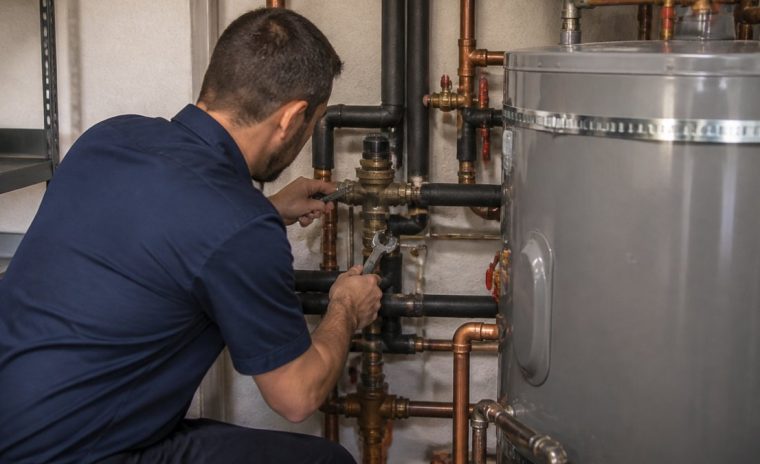
Last Updated: October 22, 2026
Quick Summary
A preventative plumbing maintenance membership is a recurring service agreement where a licensed plumber inspects, tests, and tunes your home’s plumbing system on a set schedule for a monthly or annual fee plus member-only pricing on repairs. Members gain early problem detection, priority scheduling, and repair discounts, but a membership does not cover repair costs, it discounts them.
- Discounts on plumbing maintenance plans commonly land in the 10-25% range on repair labor.
- Expect about an hour to ninety minutes for a typical annual inspection visit.
- A membership does not cover repair costs, so budget separately for actual repair work.
- Auto-renewal with a short cancellation window is the most common source of complaints.
- Ask whether the inspection includes a camera scope of the main line before you pay.
Table of Contents
- What a Preventative Plumbing Maintenance Membership Actually Is
- The Core Benefits: Early Detection, Priority Service, and Discounts
- What a Plumbing Inspection Checklist Covers
- Plumbing Maintenance Plan Cost: Breaking Down the Math
- What Happens During an Annual Plumbing Inspection
- How to Choose a Plumbing Maintenance Plan
- Plan Exclusions, Limits, and Renewal Terms to Watch
- Conclusion
- Frequently Asked Questions
What a Preventative Plumbing Maintenance Membership Actually Is
A preventative plumbing maintenance membership is a recurring service agreement where a licensed plumber inspects, tests, and tunes your home’s plumbing system on a set schedule for a monthly or annual fee plus member-only pricing on repairs.
Most homeowners call a plumber only after something fails, the expensive way to own a house. A maintenance plan flips the sequence, so a technician sees the water heater, shutoffs, supply lines, and drains before a slow leak becomes a soaked ceiling.
The Core Benefits: Early Detection, Priority Service, and Discounts
Three benefits carry real value: early problem detection, priority scheduling, and discounted repair work.
1. Early problem detection. A technician who inspects the same system year after year notices small changes: a weeping fitting, a rocking toilet, rising water heater sediment.
2. Priority service. Members typically move ahead of non-members in the dispatch queue.
3. Repair and parts discounts. Most plans discount repair labor, and some discount parts too.
4. Documented system history. Photo and video records of each visit give you a baseline, and something worth showing buyers when you sell.
Watch Out
The most common mistake is buying a plan and treating it as insurance. A membership does not cover repair costs, it discounts them. Budget separately for the actual repair work.
The most common mistake is buying a plan and treating it as insurance. A membership does not cover repair costs, it discounts them. Budget separately for the actual repair work.
Priority scheduling and waived after-hours fees
Priority scheduling routes your call ahead of routine appointments, and many plans waive the after-hours surcharge for members. If your only toilet backs up at 10 p.m., that waiver can cover a meaningful slice of the annual fee in one visit.
Ask before joining: does priority apply to true emergencies, or only standard appointments? Some plans promise priority but exclude the emergency line.
Repair and parts discounts that offset the membership fee
Discounts on plumbing maintenance plans commonly land in the 10-25% range on repair labor, with parts discounts varying more widely. A labor-only discount is still useful, just less so on larger jobs.
Run a quick check: multiply your likely annual repair spend by the discount rate. If that number is smaller than the membership fee, the plan has to earn its keep through inspections and waived fees instead.
What a Plumbing Inspection Checklist Covers
A thorough plumbing inspection checklist covers water pressure, supply lines, shutoff valves, drains, the water heater, fixtures, and the visible portions of the main line. Scope varies by plan, so ask for the written list before you pay.
Here is a checklist for a whole-home plumbing inspection:
- Test static water pressure at an outdoor spigot and compare it to safe range
- Check the pressure regulator and confirm it is holding
- Inspect supply lines under every sink for corrosion or bulging
Pro Tip
Ask whether the inspection includes a camera scope of the main line. A visual check under the sinks tells you almost nothing about a clay or cast iron main that is quietly filling with roots.
Ask whether the inspection includes a camera scope of the main line. A visual check under the sinks tells you almost nothing about a clay or cast iron main that is quietly filling with roots.
Plumbing Maintenance Plan Cost: Breaking Down the Math
Plumbing maintenance plan cost varies by provider, home size, and inclusions, so treat any single figure with suspicion. Build a break-even model from the line items every plan touches, plug in your own numbers, and see where the fee lands.
| Line item | Without a plan | With a plan |
|---|---|---|
| Annual inspection | Not performed | Included in fee |
| Diagnostic fee per service call | Charged each visit | Often waived for members |
| After-hours surcharge | Charged | Often waived |
| Repair labor | Full price | Discounted 10-25% |
| Water heater flush | Charged separately | Often included |
| Emergency scheduling | Standard queue | Priority queue |
How to run the break-even calculation
Start with your expected annual repair and service spend, the number the plan has to beat. Then apply three adjustments:
- Subtract the waived fees. Count the diagnostic fees and after-hours surcharges you would realistically trigger in a year. A household that calls a plumber twice and once after hours may avoid two diagnostic fees and one surcharge.
- Apply the discount to repair labor only. Multiply your expected labor spend by the plan’s discount rate. Do not apply it to parts unless the plan says it covers parts.
- Add the value of included services. A water heater flush and an annual inspection have a standalone price at most shops, so count included ones as money you would otherwise spend.
Compare that total to the annual membership fee. If the adjustments exceed the fee, the plan likely pays for itself in a normal year. If they fall short, you are buying the inspection and priority queue, which may still be worth it depending on your system’s age and risk.
A worked example with placeholder numbers
Because plan fees and local labor rates vary, use your own quotes in place of the placeholders below. The structure is what matters.
Claim Your Free Estimate Today →
- Annual membership fee: $[your fee]
- Expected repair labor without a plan: $[your estimate]
- Discount rate on labor: [plan’s rate, commonly 10-25%]
Add the labor discount, avoided fees, and included-service value. If that sum exceeds the membership fee, the plan clears its break-even line; if not, the gap is what you pay for peace of mind and priority scheduling.
Key Takeaway
A plan pays for itself when your annual repair and service-fee spend exceeds the membership fee divided by the discount rate, plus the waived fees and included services you actually use. Below that line, you are buying peace of mind, not savings.
A plan pays for itself when your annual repair and service-fee spend exceeds the membership fee divided by the discount rate, plus the waived fees and included services you actually use. Below that line, you are buying peace of mind, not savings.
When the math is thin
If your system is new, your water heater was recently replaced, and you never call a plumber, the break-even calculation usually comes out negative. Then the value sits in the inspection and documented system history, not the discounts. Ask whether an annual professional look at the shutoffs, supply lines, and water heater is worth the fee on its own; for some homeowners it is, for others a one-time inspection every few years is the better spend.
What Happens During an Annual Plumbing Inspection
An annual plumbing inspection is a scheduled visit where a technician tests pressure, checks every visible supply and drain connection, flushes the water heater, and documents findings with photos.
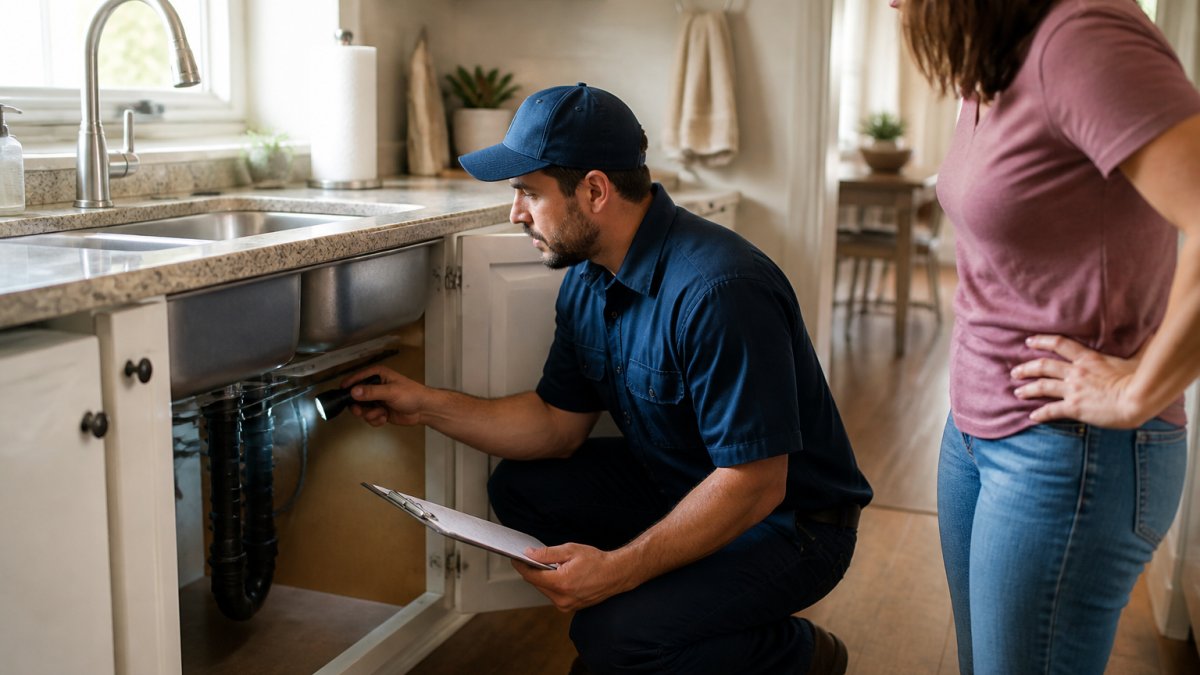
The visit follows a predictable sequence: main shutoff and pressure regulator, then the water heater, then each fixture group, then visible drain runs.
A good inspection ends with a clear report, not a sales pitch.
How to Choose a Plumbing Maintenance Plan
Choose a plan by matching its inspection scope to your home’s actual risk, not by picking the lowest monthly fee. An older home with original pipes needs a different plan than a newer build with a recently replaced water heater.
Compare these factors side by side:
- Inspection scope. Does it include a camera scope, water heater flush, and valve exercise, or just a visual walk-through?
- Discount depth. What percentage comes off labor, and does it apply to parts?
- Technician licensing. Confirm the company is licensed and insured in your state (How To Avoid a Home Improvement Scam).
Ask for the written inspection checklist and the exclusions page before you sign anything. A plan that will not show you its exclusions is telling you something.
Plan Exclusions, Limits, and Renewal Terms to Watch
Exclusions and renewal terms decide whether a plan is worth keeping, and they are the part most homeowners skim. Read them first. The goal is not a plan with no exclusions, none exists, but to understand exactly where coverage stops and what happens at renewal.
Caps and limits
A cap is the maximum the plan will pay or discount in a given period. Watch for these:
- Dollar cap on discounted work. Some plans discount labor up to a dollar limit per year. Once you hit the cap, you pay full price for the rest of the term. Ask for the cap amount and whether it resets annually.
- Visit limits. A plan may include a set number of inspections or service calls per year. Additional visits may be billed at member rates or full rates.
- Per-system limits. The plan may cover the water heater but cap the number of flushes, or cover drains but exclude main line work.
- Excluded systems and events. Main line replacements, slab leaks, repiping, and damage from freezing or roots are commonly excluded. Ask specifically about each.
- Inspection-only coverage. A plan may include a visual plumbing check but no actual plumbing service beyond it. Confirm what happens after the inspection finds a problem.
Renewal terms
Renewal is where a good first year can turn into a bad second year. Check these terms before you sign:
- Auto-renewal. Many plans renew automatically unless you cancel in a set window. Put the renewal date and cancellation deadline in your calendar the day you sign.
- Price escalation. Confirm whether the renewal rate is locked or subject to increase. A plan that raises the fee at renewal can change the break-even math you ran in year one.
- Cancellation window and fees. Ask how much notice you must give and whether there is a cancellation fee or a requirement to pay the remaining term.
How to compare plans fairly
Put the terms side by side before you decide. For each plan, record the annual fee, labor discount rate, cap, included services, excluded systems, cancellation window, and renewal price policy. A plan that looks cheaper monthly can lose on the cap or renewal escalation; a higher fee with a generous cap and locked renewal rate can be the better long-term buy.
Watch Out
Auto-renewal with a short cancellation window is the single most common source of complaints about maintenance plans. Put the renewal date in your calendar the day you sign, and keep a copy of the cancellation terms with your contract.
Auto-renewal with a short cancellation window is the single most common source of complaints about maintenance plans. Put the renewal date in your calendar the day you sign, and keep a copy of the cancellation terms with your contract.
Questions to ask before you sign
- What is the dollar cap on discounted work, and does it reset each year?
- Which systems are excluded, and are slab leaks, main line replacements, and repiping on the list?
- Is the renewal rate locked, and how much notice do I need to cancel?
Conclusion
The real challenge with a plumbing maintenance membership is not whether inspections are useful, but whether a specific plan’s scope, discounts, and exclusions actually match your home.
At Acclaimed Drain And Plumbing Solutions, LLC, we offer a maintenance membership program with transparent flat-rate pricing, photo and video documentation of every visit, and a written inspection report you keep. Our team handles water heater flushes, leak detection, sewer camera inspections, and the repairs those inspections turn up, with 24/7 emergency service when something fails anyway.
Frequently Asked Questions
What are the benefits of a plumbing maintenance membership?
A plumbing maintenance membership typically combines scheduled inspections, priority scheduling, and discounts on repairs. Members get early detection of leaks and corrosion before they cause water damage, waived or reduced diagnostic fees, and a set percentage off repair and replacement work. Some plans also include a water heater flush or visual plumbing inspection. The value depends on how often you use the discounts and whether your home has older pipes or fixtures that need watching.
Is a plumbing maintenance plan worth it for homeowners?
It can be worth it if your home is older, you have recurring drain or water pressure issues, or you want priority service during busy periods. Run a break-even calculation: compare the annual plan fee against what you would pay for one inspection plus a typical repair discount. If the plan fee is close to the cost of a single service call and you expect at least one repair a year, the math often favors joining. Homes with new plumbing may get less value.
What does a plumbing maintenance membership typically include?
Most memberships include an annual or semi-annual whole-home plumbing inspection, a water heater flush or check, priority scheduling, and a repair discount in the 10-25% range. Some plans waive diagnostic or after-hours fees when a repair is completed. Coverage varies widely: ask whether the inspection is visual only or includes camera inspection, and confirm which fixtures, pipes, and systems are covered before you sign.
What should I check before signing up for a plumbing service plan?
Ask for the full contract and review exclusions, limits, and renewal terms. Confirm the inspection frequency, whether diagnostic fees are waived, and how the repair discount applies to parts versus labor. Check if the plan auto-renews and how to cancel. Ask whether emergency or after-hours service is included or discounted, and get the membership fee in writing. A reputable company will explain coverage clearly before you commit.