Claim Your Free Estimate Today
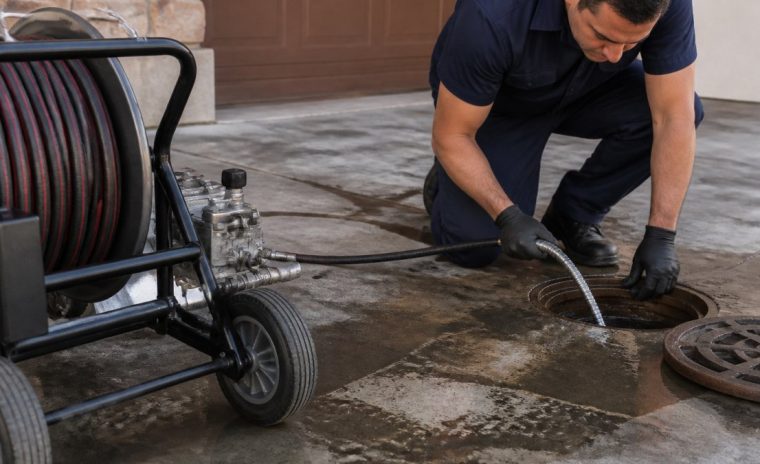
Table of Contents
- What Hydro Jetting Does for a Clogged Drain
- The Main Benefits of Hydro Jetting for Drains
- Hydro Jetting vs Snaking: Which Clears Your Clog?
- Why a Sewer Camera Inspection Before Hydro Jetting Matters
- Hydro Jetting Benefits and Risks: What Can Go Wrong
- How Long Hydro Jetting Lasts and How to Make It Last Longer
- Conclusion
- Frequently Asked Questions
Last Updated: October 17, 2026
What Hydro Jetting Does for a Clogged Drain
Hydro jetting is a drain cleaning method that uses high-pressure water to scour the inside of pipes.
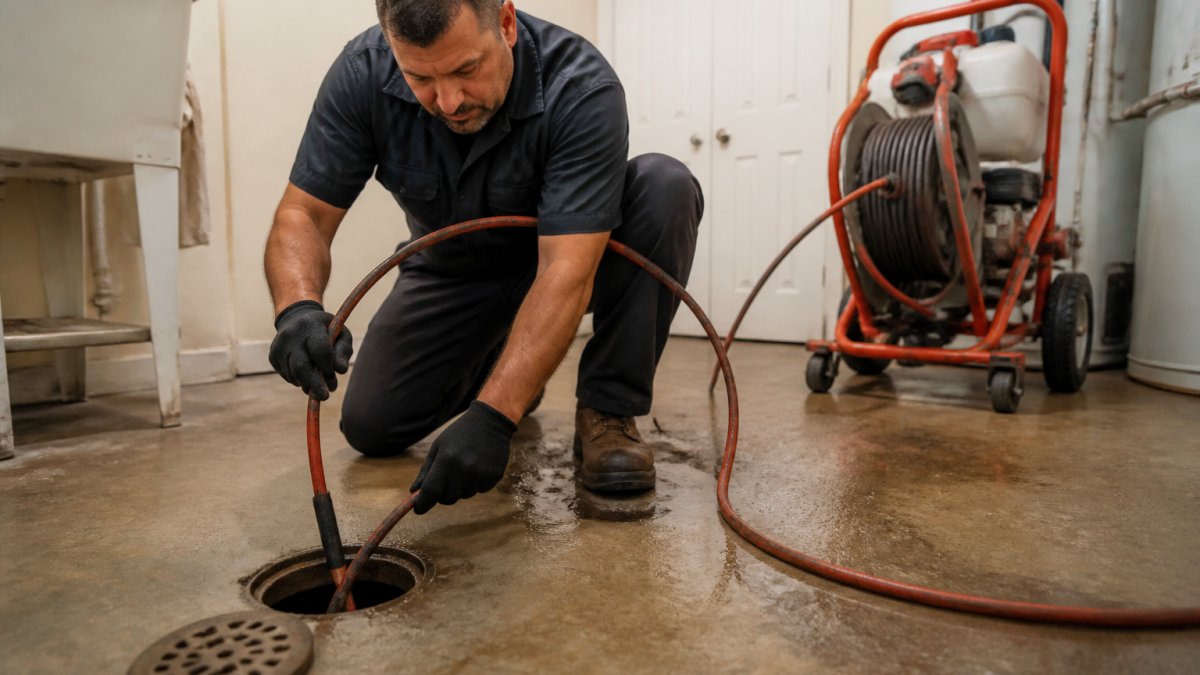
At Acclaimed Drain And Plumbing Solutions, LLC, we rely on this method because it cleans the whole pipe, not just a single spot.
Most homeowners picture a drain clog as a solid plug. In reality, it’s usually a coating. Cooking grease cools and hardens on the pipe walls.
The Main Benefits of Hydro Jetting for Drains
The biggest benefit of hydro jetting is a full-diameter clean. Here’s what that delivers in practice:
- It clears the entire pipe wall, not just a channel through the middle
- It removes grease and scale that snaking leaves behind
- It restores flow and pressure across every fixture on the line
- It pairs with camera inspection to confirm the line is truly clear
Many homeowners notice the difference right away. Sinks drain faster. Showers stop pooling. Toilets flush with less effort. If you’ve had the same drain snaked three times in two years, jetting is often the reason the fourth call doesn’t happen.
Pro Tip
Ask your plumber to run a camera before and after the job. The before footage shows what’s actually blocking the line. The after footage proves the walls are clean. Skip this step and you’re paying for a cleaning you can’t verify.
Ask your plumber to run a camera before and after the job. The before footage shows what’s actually blocking the line. The after footage proves the walls are clean. Skip this step and you’re paying for a cleaning you can’t verify.
Clears Grease, Sludge, and Scale Off Pipe Walls
Grease is the most common villain in kitchen lines. It goes down warm and liquid, then cools into a sticky film inside the pipe. Snaking a kitchen drain pushes a hole through that film.
Pressurized water at the right setting peels that film off the wall. The same applies to sludge in older sewer lines and mineral scale in hard-water areas.
Restores Full Drain Flow and Pressure
A partially blocked pipe still drains, just slowly. Many homeowners live with that for months without realizing how bad it’s gotten. Once the buildup is gone, water moves through the full pipe diameter again.
That means better flow at every fixture sharing the line. It also means less standing water in the pipes, which reduces strain on joints and connections. A clean line is a longer-lasting line.
Hydro Jetting vs Snaking: Which Clears Your Clog?
Hydro jetting and snaking solve different problems, and the right choice depends on what is actually blocking the line. Snaking, also called mechanical drain cleaning, uses a steel cable with a cutting head to break through a clog.
The practical difference shows up in what each method leaves behind. A cable punches a channel through the blockage, so water can pass, but grease, sludge, and scale remain on the pipe walls.
| Feature | Drain Snaking | Hydro Jetting |
|---|---|---|
| What it does | Punches a hole through the clog | Scrubs the full pipe wall |
| Best for | Soft blockages, urgent backups, single-fixture clogs | Grease, sludge, scale, roots, recurring backups |
| Clears pipe walls | No | Yes |
| Uses chemicals | No | No |
| Needs camera check | Recommended | Essential |
| Typical result | Temporary relief; clog may return | Full-diameter clean; longer-lasting flow |
Matching the Method to the Clog Type
The clog itself should drive the decision. Here is how the two methods compare across common blockages:
- Kitchen grease and food residue: Snaking opens a path but leaves the grease film. Jetting peels the film off the wall, which is why it is the better choice for a kitchen line that clogs repeatedly.
- Hair and soap scum in bathroom drains: A cable can pull hair out of a trap or branch line. Jetting clears the scum coating that hair clings to, so the drain stays clear longer.
- Tree roots in a sewer line: A cutting head can shear roots, but roots grow back. Jetting removes the root mass and the surrounding sludge, and a camera check confirms whether the pipe is sound enough for the pressure.
- Mineral scale in hard-water areas: A cable cannot remove scale. Jetting is the only mechanical method that scours scale off the pipe wall.
What to Expect from Each Service
A snaking call is usually short. The technician feeds the cable, clears the blockage, and tests the flow. It is a repair of the immediate symptom.
The honest trade-off is this: snaking is cheaper and quicker for a basic clog, but it does not clean the walls, so grease and scale rebuild fast. Jetting costs more upfront and requires a camera check first, but the results last far longer.
Watch Out
Never let anyone jet a line without inspecting it first. High-pressure water can destroy old cast iron, cracked clay, or a pipe that is already collapsed. The camera check is not an upsell. It is what stops a cleaning job from becoming a repair job.
Never let anyone jet a line without inspecting it first. High-pressure water can destroy old cast iron, cracked clay, or a pipe that is already collapsed. The camera check is not an upsell. It is what stops a cleaning job from becoming a repair job.
Pro Tip
Ask which method the technician plans to use and why. A company that recommends jetting for every clog, or snaking for every clog, is not matching the method to your pipe. The right answer depends on the clog type, the pipe material, and whether the line has a history of repeat backups.
Ask which method the technician plans to use and why. A company that recommends jetting for every clog, or snaking for every clog, is not matching the method to your pipe. The right answer depends on the clog type, the pipe material, and whether the line has a history of repeat backups.
Why a Sewer Camera Inspection Before Hydro Jetting Matters
A sewer camera inspection is a non-negotiable first step. The camera shows what’s inside the pipe before any water flows. It reveals the clog type, the pipe material, and any existing damage.
That footage answers three questions:
Claim Your Free Estimate Today →
- Is the pipe strong enough for jetting? Old cast iron, Orangeburg, and cracked clay lines may not handle high pressure.
- What’s causing the blockage? Grease calls for one approach. Tree roots call for another.
- Is there a bigger problem? A collapsed section or offset joint won’t be fixed by cleaning, no matter how much pressure you use.
At Acclaimed Drain And Plumbing Solutions, LLC, our technicians use sewer cameras and share the footage with you. You see what we see. Then you get options, not a sales pitch.
Hydro Jetting Benefits and Risks: What Can Go Wrong
Jetting is safe on sound pipes. The risks show up in weak ones. Here’s what to watch for:
- Fragile pipe materials. Old cast iron, clay, and Orangeburg pipe can crack under pressure.
- Existing cracks or bellies. A damaged section can fail completely.
- Improper pressure settings. Too much PSI on the wrong pipe causes damage.
- No camera check. Jetting blind is how small problems become big ones.
- Unlicensed operators. Cheap jetting jobs often skip the inspection step.
A licensed plumber matches pressure to the pipe. They start low and work up. They stop if the camera shows trouble. That’s the difference between a cleaning and a demolition.
Key Takeaway
The benefits of hydro jetting only apply when the pipe can handle it. Inspection first, pressure second. Any company that skips the camera is guessing with your plumbing.
The benefits of hydro jetting only apply when the pipe can handle it. Inspection first, pressure second. Any company that skips the camera is guessing with your plumbing.
How Long Hydro Jetting Lasts and How to Make It Last Longer
Most jetting jobs hold up for one to three years, but that range is wide because several factors drive it. The line’s use, the pipe material, the local water chemistry, and whether the cause of the buildup has been addressed all matter. A kitchen line with heavy grease load will need attention sooner than a main sewer line in a home without root problems.
What Shortens or Extends Results
- Pipe material and condition: Smooth PVC and sound cast iron hold a clean longer than rough, pitted, or scaled pipe, where debris catches more easily.
- Water hardness: Hard water leaves mineral scale that narrows the pipe over time. In hard-water areas, scale returns faster and may warrant more frequent cleaning.
- Grease and solids load: A kitchen line serving a large household accumulates grease faster than a lightly used one.
- Root intrusion: If roots are present, jetting clears them but does not stop regrowth. A camera check after cleaning tells you whether root control is needed.
- Whether the cause was fixed: Jetting removes buildup, but it does not change what goes down the drain. Habits and drain screens determine how fast the coating returns.
Signs a Drain Needs Jetting
Recurring clogs are a signal, not bad luck. Watch for these warning signs:
- Slow drains at multiple fixtures on the same line, not just one sink.
- Gurgling sounds from drains or the toilet when water runs elsewhere.
- Repeated backups on the same line, especially if snaking has already been done more than once.
- Foul odors from drains that persist after cleaning.
- Water backing up in one fixture when another is used, which points to a shared line with buildup.
If two or more of these signs are present, a camera inspection is the right next step. The footage shows whether the line needs jetting or a different repair.
Building a Maintenance Schedule
Preventive cleaning is cheaper than emergency service. A practical schedule looks like this:
- Kitchen lines in heavy-use homes: Consider jetting every one to two years, or sooner if slow drains return.
- Main sewer lines with no root history: Every two to three years is a common interval, confirmed by camera inspection.
- Lines with known root intrusion: Follow the plumber’s recommendation, which may include root control between cleanings.
- After any major backup: Re-inspect to confirm the line is clear and to establish a baseline for future maintenance.
You can stretch results with a few habits:
- Never pour grease down the drain. Wipe pans into the trash first.
- Use drain screens in sinks and showers to catch hair and food.
- Run hot water for a minute after each kitchen cleanup.
- Schedule preventive maintenance before problems start.
- Watch for early warning signs and act on them rather than waiting for a backup.
Pro Tip
The best time to jet a line is before it clogs. A preventive cleaning on a known problem line costs far less than an emergency call at midnight with sewage on the floor. Ask your plumber to note the date and condition on the camera footage so you can track how quickly buildup returns.
The best time to jet a line is before it clogs. A preventive cleaning on a known problem line costs far less than an emergency call at midnight with sewage on the floor. Ask your plumber to note the date and condition on the camera footage so you can track how quickly buildup returns.
Key Takeaway
Jetting results last longer when the cause is addressed, not just the clog. Pair cleaning with drain screens, grease discipline, and a maintenance interval based on your line’s history, and the next backup is far less likely to catch you off guard.
Jetting results last longer when the cause is addressed, not just the clog. Pair cleaning with drain screens, grease discipline, and a maintenance interval based on your line’s history, and the next backup is far less likely to catch you off guard.
Conclusion
Recurring drain backups test your patience and your wallet. The real fix isn’t another round of snaking. It’s finding out what’s inside the pipe and cleaning it properly.
At Acclaimed Drain And Plumbing Solutions, LLC, we pair high-pressure hydro jetting with camera inspection so you see the problem and the result. Our licensed team offers upfront flat-rate pricing, free estimates, and 24/7 emergency service when a backup won’t wait.
Get started with Acclaimed Drain And Plumbing Solutions, LLC and claim your free estimate today.
Frequently Asked Questions
Is hydro jetting better than snaking for a clogged drain?
It depends on the clog. Snaking uses a cable auger to punch a hole through a blockage, which restores flow but leaves grease and residue on the pipe walls. Hydro jetting uses pressurized water to scour the full inside of the pipe, so it removes buildup rather than just piercing it. For grease, sludge, and tree roots, hydro jetting usually delivers a more thorough clean and longer-lasting result. For a simple, isolated clog in a fragile older pipe, snaking may be the safer first move.
Can hydro jetting damage old or fragile pipes?
It can if the pipe is already compromised. High-pressure water jetting is safe on sound pipes of most materials, but cast iron that has rusted thin, cracked clay, and failing joints can be pushed past their limit. That is why a sewer camera inspection before hydro jetting matters. A camera inspection shows the pipe material, age, and condition so a professional plumber can set the right pressure or recommend another method. Skipping that step is the biggest risk.
How long do the results of hydro jetting last?
Most drains stay clear for six months to a year, and longer when the cause of the buildup is addressed. A kitchen line that collects grease will clog again faster than a main line cleared of roots. How long hydro jetting lasts depends on what goes down the drain, the pipe condition, and whether you keep up preventive maintenance. Scheduling a follow-up jetting or camera check on a maintenance schedule is the most reliable way to avoid recurring blockages.
Does hydro jetting remove tree roots and grease?
Yes. High-pressure water jetting is effective against both. Grease, sludge, and residue coat pipe walls and narrow the opening over time; jetting scours that layer away. Tree roots enter through cracks and joints, and a jetting nozzle with a root-cutting attachment can shear them out of the line. For heavy root intrusion, a camera inspection first confirms where the roots are and whether the pipe can handle the pressure, and a follow-up inspection confirms the line is clear.