
Claim Your Free Estimate Today
Table of Contents
- What Counts as an Urgent Plumbing Issue?
- How to Shut Off the Main Water Valve in a Hurry
- Signs of a Sewer Line Backup You Should Never Ignore
- Burst Pipes, Drain Backups, and Water Heaters: Common Residential Plumbing Emergencies
- DIY Temporary Mitigation Steps Before Help Arrives
- Emergency Plumbing Repair Cost: What Actually Drives the Bill
- Why Tucson Homes See Specific Plumbing Problems
- Conclusion
- Frequently Asked Questions
Last Updated: September 26, 2026
What Counts as an Urgent Plumbing Issue?
Urgent plumbing issues threaten property, health, or your ability to use water safely, and need attention within hours, not days. At Acclaimed Drain And Plumbing Solutions, LLC, we field these calls daily across Tucson and Southern Arizona, and the pattern is consistent: the problems that cause the most damage are the ones homeowners wait on.
Treat these as true emergencies:
- Water spraying or pooling from a pipe, fixture, or wall
- Sewage backing up into tubs, showers, or floor drains
- No hot water combined with a leaking tank
- A toilet that overflows every time it’s flushed
- Any smell of gas near a water heater or gas line
These can usually wait for a scheduled visit:
- A single slow drain
- A dripping faucet
- Low water pressure at one fixture only
How to Shut Off the Main Water Valve in a Hurry
Most Tucson homes have one of two setups:
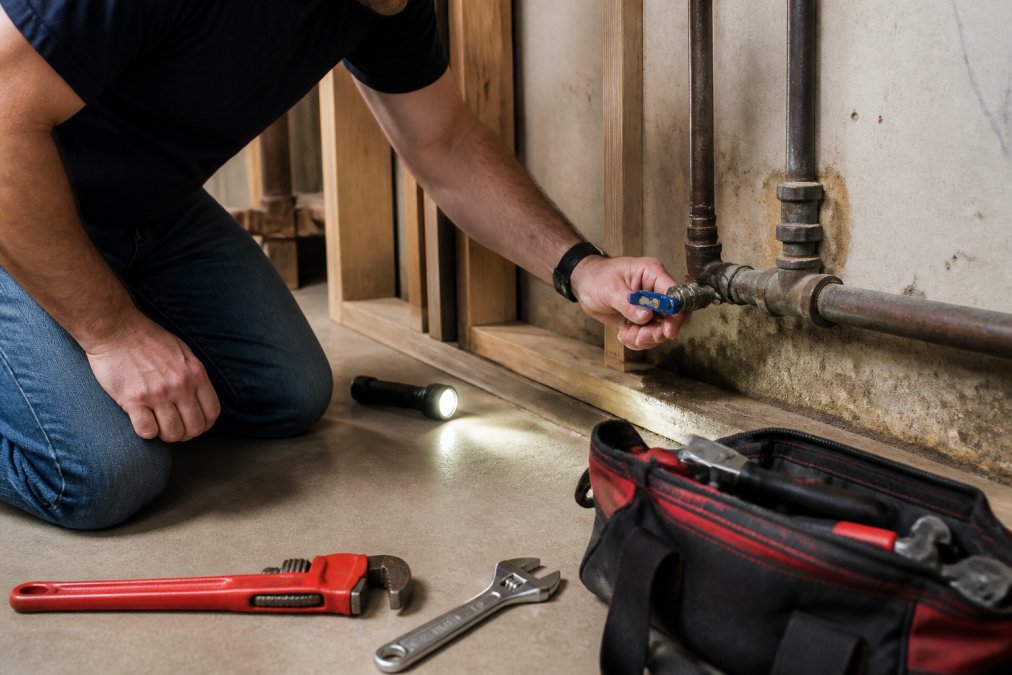
- A gate valve or ball valve near the street, often in a concrete box by the sidewalk
- A valve inside the home where the main line enters, usually in a garage, utility closet, or crawlspace
Pro Tip
Photograph your shut-off valve and its location today, then text the photo to yourself. In an emergency, you won’t remember which box by the street is yours, and a saved photo saves minutes.
Photograph your shut-off valve and its location today, then text the photo to yourself. In an emergency, you won’t remember which box by the street is yours, and a saved photo saves minutes.
Once the water is off, open a low faucet to drain remaining pressure. That last bit of water in the lines is what keeps leaking.
Signs of a Sewer Line Backup You Should Never Ignore
Signs of a sewer line backup include multiple slow drains at once, gurgling toilets, sewage odors, and water rising in a tub or floor drain when you run another fixture. Any of these point to a blockage or break in the main line, not a single clogged fixture.
Watch for:
- Gurgling sounds from toilets when the washing machine drains
- Sewage smell in the yard or near the cleanout
- Wet, sunken patches in the lawn
- Water backing into the lowest drain in the house
Burst Pipes, Drain Backups, and Water Heaters: Common Residential Plumbing Emergencies
Burst pipes, drain backups, and water heater failures cause most residential plumbing emergencies, and each demands a different first response.
| Emergency | First Move | Why It Matters |
|---|---|---|
| Burst pipe | Shut off main valve | Stops water flow at the source |
| Sewer backup | Stop using all water | Prevents more sewage entering |
| Water heater leak | Cut water and power/gas | Prevents flooding and hazards |
| Overflowing toilet | Close supply valve | Contains the overflow fast |
Watch Out
Never pour chemical drain cleaner into a fully blocked main line. It sits against the clog, can damage older pipes, and creates a chemical hazard for whoever opens the line later.
Never pour chemical drain cleaner into a fully blocked main line. It sits against the clog, can damage older pipes, and creates a chemical hazard for whoever opens the line later.
DIY Temporary Mitigation Steps Before Help Arrives
Temporary mitigation is about limiting damage, not fixing the problem: stop water from spreading, protect people and property, and preserve evidence for your insurance claim before a plumber arrives. These steps are ordered so you don’t lose the first ten minutes to panic.
Step 1: Stop the source, not the symptom
Mopping a floor while water is still flowing is wasted effort. Kill the source first.
- Whole-home leak or unknown source: close the main shut-off (see the valve section above).
- Single fixture (sink, toilet, washing machine): close the fixture supply valve, the small oval handle on the wall or floor behind or beneath the fixture. Turn clockwise until snug. Do not crank it; older valves snap easily.
- Water heater leak: close the cold-water inlet valve on top of the tank, then shut off the gas control knob to “pilot” or flip the breaker for an electric unit.
- Toilet overflow: lift the tank lid and push the flapper down flat, or close the supply valve behind the bowl. If the bowl is already at the rim, do not flush again.
Step 2: Kill power to any wet area
Water and live electricity are the most dangerous combination in a home emergency. If water is near outlets, appliances, or a breaker panel, do not walk through standing water to reach the panel, call an electrician or the utility first. If the panel is dry and reachable, shut off the affected circuits, or the main breaker if you’re unsure which are wet.
Claim Your Free Estimate Today →
Step 3: Contain and divert
- Towel dams along doorways slow water from reaching carpet and adjacent rooms.
- Buckets and trash bins under an active drip catch volume you’d otherwise be soaking up.
- A wet/dry shop vac moves far more water than towels. Empty it before it’s full, a heavy vac is hard to lift and easy to tip.
- A sump pump or utility pump helps if water is pooling in a basement or low slab area.
- Plastic sheeting over furniture and electronics buys time if the leak is overhead.
Step 4: Protect what matters
Move electronics, rugs, paperwork, and anything on the floor to a dry room. Lift furniture legs onto foil or plastic squares, wood and fabric wick water up and stain within hours. If sewage is involved, treat everything it touched as contaminated and don’t try to save porous items like cardboard, upholstered furniture, or drywall.
Step 5: Document before you clean
Photograph and video the source, the spread, and any damaged belongings before you move or toss anything, adjusters want to see the scene, not the aftermath. Keep receipts for anything you buy (fans, dehumidifiers, towels, hotel if you’re displaced); many policies reimburse those under loss-of-use coverage.
Step 6: Call and describe
When you call, have three things ready: what you see, where the shut-off is, and whether water is still flowing. That lets the dispatcher route the right technician and parts on the first trip.
Watch Out
Do not pour chemical drain cleaner into a fully blocked main line. It sits against the clog, can damage older pipes, and creates a chemical hazard for whoever opens the line later. Do not tear into walls or dig up your yard looking for a leak, you’ll usually cause more damage than the leak did, and you may void your insurance coverage for the resulting repair.
Do not pour chemical drain cleaner into a fully blocked main line. It sits against the clog, can damage older pipes, and creates a chemical hazard for whoever opens the line later. Do not tear into walls or dig up your yard looking for a leak, you’ll usually cause more damage than the leak did, and you may void your insurance coverage for the resulting repair.
Pro Tip
Keep a “plumbing emergency kit” in one place: a headlamp, a 5-gallon bucket, old towels, a wet/dry vac, nitrile gloves, and a printed card with your main shut-off location and your plumber’s number. In a real emergency, you won’t want to search for any of it.
Keep a “plumbing emergency kit” in one place: a headlamp, a 5-gallon bucket, old towels, a wet/dry vac, nitrile gloves, and a printed card with your main shut-off location and your plumber’s number. In a real emergency, you won’t want to search for any of it.
Emergency Plumbing Repair Cost: What Actually Drives the Bill
Emergency plumbing repair cost depends on the type of problem, the time of day, access to the failed line, and whether parts need replacing. There’s no single number, and any company quoting one over the phone before seeing the job is guessing. What a reputable shop can do is explain the bill’s structure before anyone picks up a wrench.
The three parts of an emergency plumbing bill
- Service call / dispatch fee. A flat fee to get a licensed plumber to your door, usually higher after hours, charged whether or not you approve the repair.
- Diagnostic or inspection fee. Time to find the actual cause, camera inspection for a sewer line, leak detection for a hidden supply line, pressure test for a slab leak. Some shops waive this if you approve the repair; ask before you book.
- Repair labor and materials. Quoted as a flat rate per job (most common for residential) or time-and-materials (more common for commercial). Flat-rate pricing is what you want as a homeowner, you approve a number, and that’s the number.
What typically moves the price up
- After-hours timing. Nights, weekends, and holidays carry a premium because the plumber is on call. If the problem can safely wait until morning, waiting can save a meaningful amount.
- Access. A fixture repair is straightforward. A line under a slab, behind a finished wall, or deep in a yard takes more labor, equipment, and often a second technician.
- Parts and materials. A faucet cartridge costs far less than a new water heater, a section of repiped line, or a sewer line replacement.
- Diagnostics. Sewer camera inspections and electronic leak detection add time up front but prevent guesswork, and guesswork turns a small repair into a large one.
- Repair versus replace. Sometimes a targeted fix works; sometimes replacement is the honest answer. A good plumber will show you both options with numbers attached.
- Permits and code upgrades. Water heater replacements, gas line work, and some repiping require a permit and inspection. That cost is real and should be disclosed up front.
What typically keeps the price down
- Calling during standard business hours when the problem is not actively damaging property.
- Knowing and using your main shut-off so the plumber arrives to a dry scene.
- Having a clear description and photos ready so the first visit is the only visit.
- Bundling, if you’re already paying a dispatch fee, having a second small issue looked at on the same trip is usually cheaper than a second call.
Questions to ask before you approve any emergency repair
- Is the service call fee waived if I approve the repair?
- Is the quoted price flat-rate, or is it an estimate that can grow?
- Does the price include the permit and inspection if one is required?
- What’s the warranty on the part and on the labor?
- What are my payment options, and is financing available for larger jobs?
Key Takeaway
A legitimate emergency plumber will give you a written, flat-rate price before starting work, explain what’s included, and never pressure you into a same-night decision on a non-emergency repair. If a company won’t put the number in writing, that’s your signal to call someone else.
A legitimate emergency plumber will give you a written, flat-rate price before starting work, explain what’s included, and never pressure you into a same-night decision on a non-emergency repair. If a company won’t put the number in writing, that’s your signal to call someone else.
This is where transparency matters. Acclaimed Drain And Plumbing Solutions, LLC uses upfront flat-rate pricing, so you see the cost before work begins, not after. For current rates on your specific job, request a free estimate.
Why Tucson Homes See Specific Plumbing Problems
Tucson’s hard water and intense heat create plumbing problems homeowners elsewhere rarely face, stressing pipes, fixtures, and water heaters in ways that shorten their lifespan.
Key Takeaway
For Tucson homes, the smartest long-term move is prevention: annual plumbing inspections, water treatment for hard water, and addressing small leaks before they become burst pipes.
For Tucson homes, the smartest long-term move is prevention: annual plumbing inspections, water treatment for hard water, and addressing small leaks before they become burst pipes.
Conclusion
A plumbing emergency rarely gives you time to think, but the homeowner who knows where the main valve is, how to triage the problem, and when to stop using water stays in control. The rest is a phone call to a team that answers.
Frequently Asked Questions
What is considered an emergency plumbing issue?
An emergency is any problem that risks property damage, health, or makes the home unusable. Burst pipes, sewage backing up into drains, a failed water heater leaking everywhere, no water at all, or a toilet overflowing continuously all qualify. If water is actively escaping or you cannot stop it with the shut-off valve, call a licensed plumber immediately. Urgent plumbing issues in residential Tucson homes often worsen fast in the heat, so treat active leaks and sewer backups as emergencies, not inconveniences.
How much do emergency plumbing repair costs usually run?
Emergency plumbing repair cost depends on the type of problem, the time of day, and the parts needed. After-hours calls typically carry a higher rate than standard hours, and major work like sewer line repair costs more than a simple fixture fix. Because pricing varies by job, ask for a flat-rate quote before work starts. Acclaimed Drain And Plumbing Solutions, LLC provides upfront flat-rate pricing and free estimates so you know the number before anyone picks up a tool.
What should I do before an emergency plumber arrives?
Shut off the main water valve first, then turn off the water heater if it is leaking or running dry. Move furniture and electronics away from the water, and use towels or buckets to contain what you can. Do not pour chemical drain cleaner into a backed-up line, and do not run more water down a clogged drain. Take a photo of the damage for your records. These steps limit water damage mitigation costs and make the repair faster once the plumber arrives.
Can I call 911 for a plumbing emergency?
No. 911 is for life-threatening emergencies, fires, and crimes, not plumbing problems. Call a licensed plumber instead. A burst pipe or sewer backup is urgent, but it is not a police, fire, or medical matter. Keep your plumber’s emergency number saved in your phone. Acclaimed Drain And Plumbing Solutions, LLC offers 24/7 emergency plumbing service with live dispatchers, so you reach a real person any hour, any day, without tying up emergency services.
