
Claim Your Free Estimate Today

Table of Contents
- What Is a Sewer Vent Pipe and Why It Matters
- Common Signs of a Blocked Sewer Vent Pipe
- Gurgling Drains Symptoms and What They Signal
- Slow Drainage, Foul Odors, and Sewer Backup Warning Signs
- How to Troubleshoot a Vent Pipe: Step-by-Step Diagnostics
- Plumbing Vent Pipe Cleaning Tools and Basic Clearing Methods
- Vent Pipe Blockage vs. Main Sewer Line Clog: How to Tell the Difference
- When to Call a Professional: Safety and Seasonal Considerations
- Frequently Asked Questions
Last Updated: September 25, 2026
What Is a Sewer Vent Pipe and Why It Matters
A sewer vent pipe is a critical part of your home’s drainage system that allows air to flow in and out of your plumbing. Without proper ventilation, your drains can’t work correctly. The vent stack connects to your main sewer line and extends through your roof, equalizing atmospheric pressure inside your drainage pipes.
When water drains, air must replace it. Without proper ventilation, a vacuum forms, creating negative air pressure that breaks trap seals, slows drainage, and allows sewer gas to escape into your home.
A blocked sewer vent pipe disrupts this balance. Water backs up. Drains gurgle. Foul odors seep into living spaces. Vent blockages rank among the most common culprits homeowners overlook.
You can identify the signs yourself before calling a professional. This guide covers symptoms, diagnostics, and when to call a licensed plumber.
Common Signs of a Blocked Sewer Vent Pipe
A blocked sewer vent pipe produces distinct warning signs.
Watch for these red flags:
- Gurgling sounds coming from drains, toilets, or shower drains
- Slow drainage across multiple fixtures in your home
- Foul sewer odors inside the house or near the roof
- Bubbling water in toilet bowls when other fixtures drain
- Water backing up into sinks, showers, or bathtubs
- Persistent wet spots in your yard near the main sewer line cleanout
- Toilet water levels that fluctuate without flushing
If only one fixture drains slowly, you likely have a clogged drain line. If several fixtures act up simultaneously, the venting system deserves attention.
Pro Tip
A quick test: pour water down a sink while listening for gurgling in the toilet. If you hear bubbling or sucking sounds, air pressure inside your drainage system is unbalanced, a classic vent blockage symptom.
A quick test: pour water down a sink while listening for gurgling in the toilet. If you hear bubbling or sucking sounds, air pressure inside your drainage system is unbalanced, a classic vent blockage symptom.
Gurgling Drains Symptoms and What They Signal
Gurgling drains are a recognizable sign of a blocked sewer vent pipe. When your drainage system lacks proper ventilation, water moving down the pipe creates suction that pulls air through the nearest opening, often the P-trap under your sink or the trap seal in your toilet bowl, producing that distinctive gurgling or bubbling noise.
Gurgling can happen in:
- Kitchen sinks when you drain dishwater
- Bathroom sinks during showers or tub drains
- Toilets after other fixtures drain
- Multiple fixtures simultaneously during heavy water use
If gurgling comes from one fixture only, a local clog is more likely. If you hear it from several drains at once, suspect the vent stack.
Watch Out
Ignore persistent gurgling and you risk trap seal failure. Once a trap seal breaks, sewer gas enters your home. Beyond the odor, sewer gas contains methane and hydrogen sulfide, both health hazards in high concentrations.
Ignore persistent gurgling and you risk trap seal failure. Once a trap seal breaks, sewer gas enters your home. Beyond the odor, sewer gas contains methane and hydrogen sulfide, both health hazards in high concentrations.
Slow Drainage, Foul Odors, and Sewer Backup Warning Signs
Slow drainage across multiple fixtures is a hallmark of vent obstruction. Blocking the vent removes the atmospheric pressure advantage that moves water through the system.
Slow drainage from a vent blockage typically affects all sinks, showers, toilets, bathtubs, and washing machine drainage simultaneously.
Foul sewer odors are the second major warning sign. A healthy plumbing system vents sewer gas safely through the roof vent. When the vent clogs, gas backs up into the home. You might notice rotten egg or sewage smell near drains, near the main cleanout, or inside the house, often strongest near bathrooms or the kitchen.
Sewer backup is the most serious scenario. Water and waste accumulate in your pipes and can overflow into your home through the lowest fixtures, usually the basement toilet or shower drain.
Key Takeaway
If you see water pooling in your yard near the main sewer line or smell sewage inside your home, stop using water immediately and call a licensed plumber. This is an emergency.
If you see water pooling in your yard near the main sewer line or smell sewage inside your home, stop using water immediately and call a licensed plumber. This is an emergency.
How to Troubleshoot a Vent Pipe: Step-by-Step Diagnostics
You can perform basic diagnostics to determine if a vent blockage is likely before calling a professional.
Claim Your Free Estimate Today →
Step 1: Check Multiple Fixtures for Drainage Issues
Run water in your kitchen sink and listen for gurgling in the bathroom. Flush the toilet and watch for water level changes. If all fixtures slow down simultaneously, you have a system-wide problem, likely the vent stack. If only one fixture drains slowly, the issue is probably a local clog. Document which fixtures are affected and when the problem started, as seasonal patterns help plumbers diagnose the root cause.
Step 2: Inspect for Visible Roof Vent Obstructions
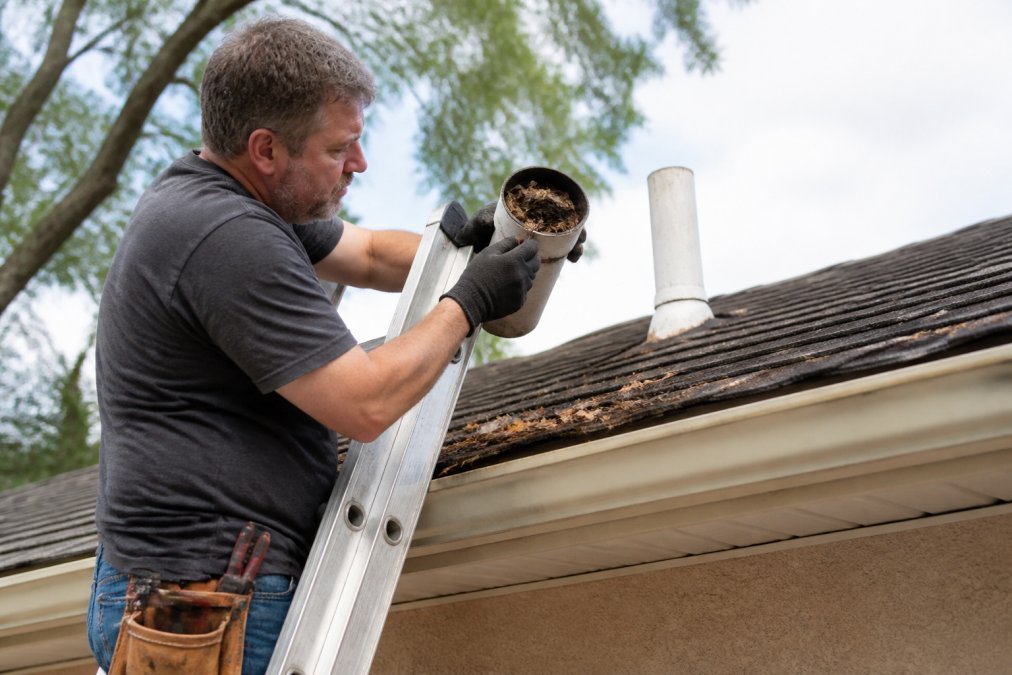
Look at your roof from the ground using binoculars if necessary. Locate the vent pipe, typically a 2- to 4-inch diameter pipe extending through the roof. Check for leaves, pine needles, debris, bird nests, ice buildup, damaged or missing vent caps, and cracks in the vent pipe.
Many homeowners can observe enough from below to spot obvious blockages. If the vent looks clear from a distance, the obstruction may be deeper in the vent stack.
Watch Out
Roof work is dangerous. If you need to climb a ladder or access the roof, wear a safety harness, use a stable ladder on level ground, and consider hiring a professional instead. A fall from a roof causes serious injury.
Roof work is dangerous. If you need to climb a ladder or access the roof, wear a safety harness, use a stable ladder on level ground, and consider hiring a professional instead. A fall from a roof causes serious injury.
Step 3: Test Water Level Fluctuations in Toilet Bowls
Toilet water level changes without flushing indicate unstable air pressure. Fill your toilet tank and let it sit for 10 minutes without flushing. Normal behavior: water level stays the same. Abnormal: water rises or drops without draining. This fluctuation happens because a blocked vent creates pressure imbalances.
Plumbing Vent Pipe Cleaning Tools and Basic Clearing Methods
If you’ve confirmed a vent blockage, you have options for clearing it yourself, though professional help is often safer and more effective.
Basic tools for vent clearing:
- A plumbing snake (auger) to break up debris
- A plumbing vent cleaning brush, designed for vent stack diameter
- A garden hose with high-pressure nozzle for flushing
- A flashlight to inspect inside the vent opening
- Work gloves and eye protection for safety
Simple clearing methods:
If debris is visible at the vent opening, remove it by hand (wearing gloves). For deeper blockages, a plumbing snake inserted from the roof can break up clogs.
Pro Tip
Before attempting any roof work, ensure your ladder is stable and secured. Wear non-slip shoes. Have someone spot you from below. If the vent is more than 8 feet above ground, consider hiring a professional, the risk of falling outweighs the cost savings.
Before attempting any roof work, ensure your ladder is stable and secured. Wear non-slip shoes. Have someone spot you from below. If the vent is more than 8 feet above ground, consider hiring a professional, the risk of falling outweighs the cost savings.
For blockages deep inside the vent stack or at the main sewer line cleanout, professional equipment is more effective. Hydro jetting uses pressurized water to clear even stubborn blockages. A sewer camera inspection identifies exactly where the clog is located.
Vent Pipe Blockage vs. Main Sewer Line Clog: How to Tell the Difference
Both vent blockages and main sewer line clogs produce similar symptoms. Distinguishing between them helps you understand the urgency and scope of the repair.
| Issue | Primary Symptom | Affected Fixtures | Yard Signs | Urgency |
|---|---|---|---|---|
| Vent blockage | Gurgling, slow drain | Multiple, simultaneous | None usually | Moderate |
| Main line clog | Sewage backup | Lowest fixtures first | Pooling water, odor | High |
When to Call a Professional: Safety and Seasonal Considerations
Knowing when to call a professional saves time, money, and prevents damage.
Call a licensed plumber if:
- You can’t safely access or inspect the vent opening
- Debris is lodged deep inside the vent stack
- Clearing the vent doesn’t solve the drainage problem
- Sewage is backing up into your home
- You suspect a main sewer line issue
- The vent pipe itself is cracked or damaged
Frequently Asked Questions
What are the symptoms of a blocked plumbing vent?
A blocked sewer vent pipe typically causes gurgling sounds in drains and toilets, slow drainage across multiple fixtures, foul sewer odors inside the home, and water level fluctuations in toilet bowls. You may also notice that drains empty slowly even after clearing visible clogs, or that one fixture draining causes air bubbles in another. These symptoms occur because the vent pipe normally allows air into the drainage system to maintain proper atmospheric pressure and prevent a vacuum that slows water flow.
How do you check if a vent is blocked?
Start by testing multiple fixtures: run water in your sink, shower, and toilet to see if they all drain slowly or make gurgling sounds. Listen for bubbling in the toilet when you flush or drain a sink. Check your roof vent opening (from ground level or with binoculars) for visible debris, bird nests, or ice buildup. Look at the plumbing vent stack where it exits your roof. Fill a toilet bowl and watch whether the water level drops steadily or fluctuates unexpectedly. If multiple fixtures have problems but a simple drain clog doesn’t explain it, a vent blockage is likely.
Can you clear a blocked sewer vent pipe yourself?
Minor blockages caused by leaves, pine needles, or ice near the roof vent opening can sometimes be cleared from ground level using a plumbing snake or by flushing the vent with a garden hose. However, roof work carries serious safety risks, and blockages deep inside the plumbing vent stack require professional equipment like hydro jetting or motorized augers. If you’re uncomfortable on a ladder or the blockage doesn’t clear with basic methods, professional help is safer and more effective. A licensed plumber can also identify whether the problem is truly a vent issue or a clogged main sewer line.
How do I know if it’s a blocked vent or a clogged main sewer line?
A blocked vent pipe affects drainage gradually across multiple fixtures and often includes gurgling sounds and slow water drainage without sewage backing up into the home. A clogged main sewer line typically causes sewage backup into toilets, showers, or the lowest drains, foul odors, and the problem worsens quickly. Vent issues allow water to eventually drain, while sewer line clogs often prevent drainage entirely. If you see sewage pooling in your yard, smell strong sewer gas outside, or notice multiple fixtures backing up simultaneously, the main sewer line is likely the problem and requires immediate professional attention.
