
Claim Your Free Estimate Today

Table of Contents
- What to Look For: Signs Pipes Are Leaking
- Detecting Leaks by Sound and Water Pressure
- Water Meter Leak Test: A Simple DIY Check
- Identifying Signs of Slab Leak Under Your Home
- Plumbing Leak Detection Tools and Methods
- When to Call a Professional vs. DIY Fixes
- Frequently Asked Questions
Last Updated: August 12, 2026
What to Look For: Signs Pipes Are Leaking
Detecting leaks early can save thousands in water damage and repairs. Many leaks happen inside walls, under floors, or beneath your home where you can’t see them directly. At Acclaimed Drain And Plumbing Solutions, LLC, we help homeowners identify warning signs before small leaks become catastrophic failures.
The most common indicators fall into three categories: visible damage, changes in your water bill or pressure, and physical signs like mold or musty odors.
Unusual Spikes in Your Water Bill
Your water bill is one of the most reliable leak indicators. If your monthly usage jumps significantly without any change in household habits, a hidden leak is likely the culprit.
Compare your current bill to the same month last year. A spike of 10-15% or more warrants investigation. Even small leaks, a dripping faucet or pinhole leak, add up quickly. A single pinhole leak can waste hundreds of gallons per month without you ever seeing water.
Check your water meter to confirm. If the meter keeps running when no water is actively being used, you almost certainly have a leak somewhere in your plumbing system.
Visible Mold, Mildew, and Damp Patches
Mold and mildew thrive in moisture-rich environments. Unexplained patches of mold or mildew on walls, ceilings, or in crawl spaces indicate a hidden water leak.
Look for discolored patches, fuzzy growth, or musty smells in areas where moisture shouldn’t naturally accumulate. Pay special attention to basements, crawl spaces, and areas around water heaters or under sinks, common locations where pipes leak and mold growth appears first.
Water Stains on Walls and Ceilings
Brownish or yellowish stains on drywall, paint, or ceiling materials indicate water damage. These stains often appear directly below the leak source, though water can travel along structural elements before surfacing.
If stains are expanding week to week, the leak rate is significant and requires immediate professional attention.
Musty Odors and Structural Concerns
A persistent musty smell, especially in localized areas, often indicates hidden moisture from leaking pipes. This odor comes from mold and mildew growing in damp spaces. If the smell is strongest in a particular room, that’s likely where the leak originates.
Detecting Leaks by Sound and Water Pressure
Sound and water pressure changes are often overlooked but surprisingly effective for identifying active leaks.
Listen for Dripping or Rushing Water Sounds
Turn off all water-using appliances and listen carefully near walls, under sinks, and in crawl spaces. A steady dripping sound indicates active leakage. A rushing or hissing sound suggests water flowing through a crack or hole.
Listen in quiet conditions, early morning or late evening works best. If you hear water running when no fixtures are in use, pipes are leaking somewhere in your system.
Check for Reduced Water Pressure
A sudden drop in water pressure throughout your home, or in a specific area, can indicate a leak. Test pressure at multiple fixtures: kitchen sink, bathroom sink, shower, and outdoor spigot. If pressure is low everywhere, the leak is likely in your main water line. If pressure is low in one area only, the leak is probably in that localized plumbing branch.
Water Meter Leak Test: A Simple DIY Check
The water meter is your home’s most accurate leak detection tool. A simple test takes just a few minutes and can definitively tell you whether pipes are leaking.
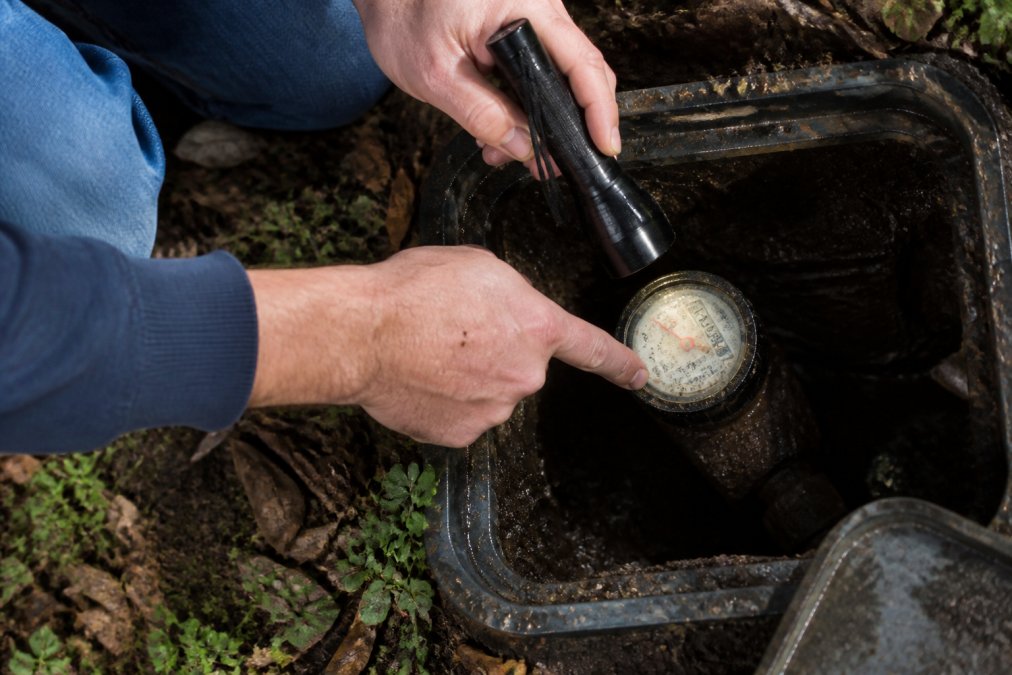
How to Perform the Stop Tap Test
Locate your water meter, usually in a basement, crawl space, or outside near the street. Follow these steps:
- Turn off all water-using appliances and fixtures, including toilets, washing machines, dishwashers, ice makers, and outdoor sprinklers.
- Note the meter reading and write down the exact number displayed.
- Wait 30 minutes without using any water.
- Check the meter reading again. If the number has changed, water has flowed through your meter despite everything being off, meaning pipes are leaking.
What the Results Tell You
If your meter reading increased during the test, you have an active leak. The amount of movement indicates leak severity. Next, isolate whether the leak is in your main water line or interior pipes by turning off the main water shut-off valve at your meter. Wait 30 minutes and check the meter again.
If the meter stops advancing with the main valve off, the leak is in your interior plumbing. If the meter continues advancing, the leak is in the water line between your meter and the main valve, or in the meter itself.
Pro Tip
The water meter leak test is your most reliable DIY diagnostic. Perform it once per year as preventative maintenance. Early detection saves thousands in water damage repair costs.
The water meter leak test is your most reliable DIY diagnostic. Perform it once per year as preventative maintenance. Early detection saves thousands in water damage repair costs.
Identifying Signs of Slab Leak Under Your Home
Slab leaks occur when pipes embedded in concrete foundations crack or corrode. These are among the most serious leaks because they’re hidden and can cause structural damage over time.
Claim Your Free Estimate Today →
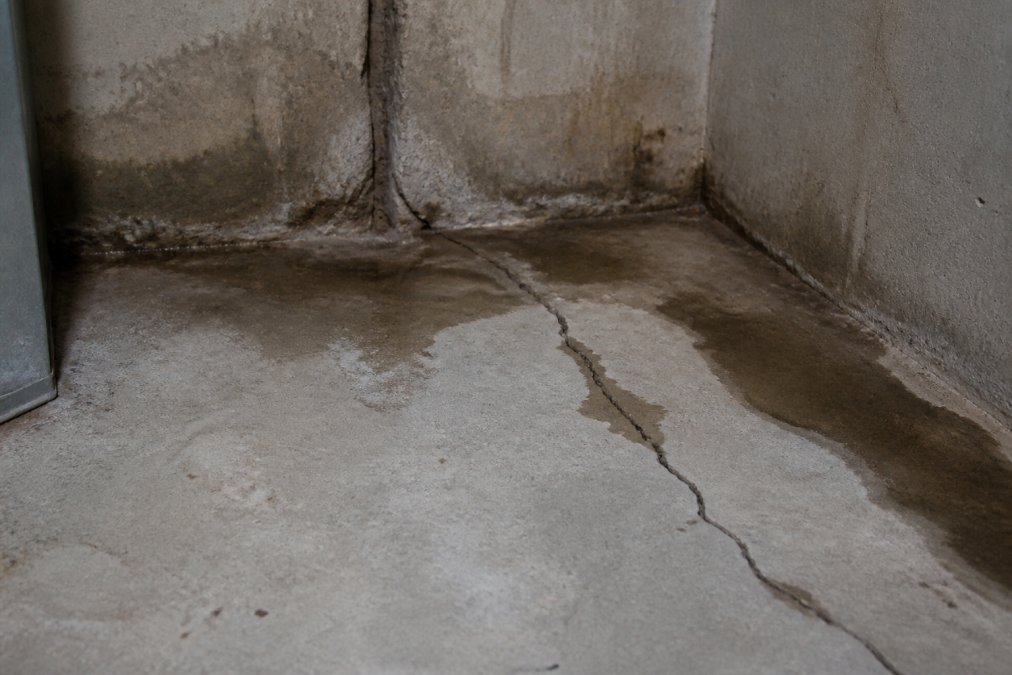
Foundation Cracks and Structural Damage
Slab leaks cause water pressure that cracks concrete over time. Look for new or expanding cracks in your foundation, basement floor, or concrete slab. Run your hand along cracks to feel for moisture. Wet cracks indicate water seeping from pipes below.
If you notice cracks combined with warm spots on floors or wet patches in your yard, professional evaluation is essential.
Warm Spots on Floors and Wet Patches
Pipes carrying hot water create warm spots on floors above them. If you feel a warm area on your floor with no obvious heat source, a hot water pipe beneath the slab may be leaking.
Wet patches in your yard, especially in localized areas, suggest water escaping from underground pipes. If you identify both warm spots and wet patches, contact a professional immediately.
Plumbing Leak Detection Tools and Methods
Modern leak detection combines visual inspection with specialized tools and techniques.
Inspecting Visible Pipes and Joints for Corrosion
Examine all visible pipes in your basement, crawl space, and under sinks for signs of corrosion, mineral deposits, or water damage. Look for green or white mineral buildup on copper pipes, rust-colored staining on steel pipes, pinhole leaks, and wet spots around pipe joints.
Pipe joints are common leak points. If joints look corroded or wet, they’re likely the source of leaks.
Using Food Coloring for Toilet Dye Tests
Toilets account for about 20-30% of household water use. A silent toilet leak wastes enormous amounts of water without obvious signs.
Add a few drops of food coloring to the toilet tank, wait 15-20 minutes without flushing, then check the bowl. If color appears, the flapper valve is leaking. Repeat this test on every toilet in your home.
Smart Home Leak Detection Technology
Modern smart leak detectors use wireless sensors placed near pipes, water heaters, and under sinks. These devices alert you via smartphone if they detect moisture, allowing immediate response.
Smart sensors are especially valuable for monitoring areas prone to leaks and provide early warning before visible damage occurs. Some systems integrate with your water meter, monitoring real-time flow and alerting you to unusual patterns.
When to Call a Professional vs. DIY Fixes
Simple fixes you can handle yourself include replacing a leaking toilet flapper, tightening a loose connection under a sink, or patching a small visible leak with epoxy putty or silicone tape. These are temporary solutions for minor problems.
However, most leaks require professional diagnosis and repair. Hidden leaks behind walls, under floors, or in slab foundations demand specialized equipment like sewer cameras and moisture detection tools. Acclaimed Drain And Plumbing Solutions, LLC uses professional-grade diagnostic equipment to locate leaks precisely, then repairs them properly.
Main water line leaks, slab leaks, and leaks in interior plumbing require licensed plumbing expertise. If your water meter test confirms a leak, or if you see signs of slab leaks or foundation damage, call a professional. The cost of diagnosis is far less than the cost of water damage repair.
Watch Out
Never ignore signs that pipes are leaking. Small leaks become large ones quickly. Water damage to framing, insulation, and drywall becomes exponentially more expensive the longer it persists. Professional intervention within days of discovering a leak typically costs a fraction of what delayed repair costs.
Never ignore signs that pipes are leaking. Small leaks become large ones quickly. Water damage to framing, insulation, and drywall becomes exponentially more expensive the longer it persists. Professional intervention within days of discovering a leak typically costs a fraction of what delayed repair costs.
Protecting your home from hidden water leaks starts with knowing what to look for. The water meter leak test, visual inspection for mold and stains, and attention to your water bill are your first lines of defense. When you identify signs that pipes are leaking, professional evaluation through licensed plumbing services ensures proper diagnosis and repair. At Acclaimed Drain And Plumbing Solutions, LLC, we provide 24/7 emergency leak detection and repair with professional diagnostic equipment, sewer camera inspections, and comprehensive solutions that address root causes, not just symptoms. Get started with a free estimate and protect your home from costly water damage.
Frequently Asked Questions
How do I know if I have a hidden leak in my water pipes?
Start with the water meter stop tap test: turn off the main water supply, check if your meter stops moving, then wait 30 minutes. If the meter changes, you have a leak. Other signs include sudden spikes in your water bill, sounds of dripping or rushing water when no fixtures are running, wet patches on walls or ceilings, and musty odors. If these tests suggest a leak but you can’t locate it visually, professional leak detection equipment can pinpoint hidden leaks in walls and under slabs.
What are the signs of a slab leak under my house?
Slab leaks often show as foundation cracks, warm spots on your floor (especially with hot water line leaks), wet patches or soft areas in concrete, unusually high water bills, or reduced water pressure throughout your home. You may also notice mold growth, musty smells, or sounds of water running beneath the floor. Because slab leaks are hidden, early detection is critical to prevent structural damage. If you suspect a slab leak, professional inspection with specialized equipment is recommended.
Can I fix a leaky pipe myself, or do I need a plumber?
Small surface leaks on visible pipes with minor dripping can sometimes be temporarily sealed with epoxy putty or silicone tape while you arrange professional repair. However, most leaks require proper diagnosis and permanent fixes. Burst pipes, pinhole leaks, corroded joints, and hidden leaks in walls or under slabs need professional tools and expertise. Attempting DIY fixes on major leaks can lead to water damage, mold growth, and structural problems. A licensed plumber can identify the root cause and provide lasting solutions.
Is a high water bill always a sign of a leak?
A sudden, unexplained increase in your water bill is a strong indicator of a leak, but not the only cause. Seasonal usage changes, new appliances, or extra household members can raise bills too. To confirm a leak, perform the water meter stop tap test: turn off all water-using fixtures and the main supply, then check if your meter continues to move. If it does, you have an active leak. Compare your current bill to previous months and check for visible signs like water stains, mold, or foundation cracks to narrow down the problem.
