Claim Your Free Estimate Today
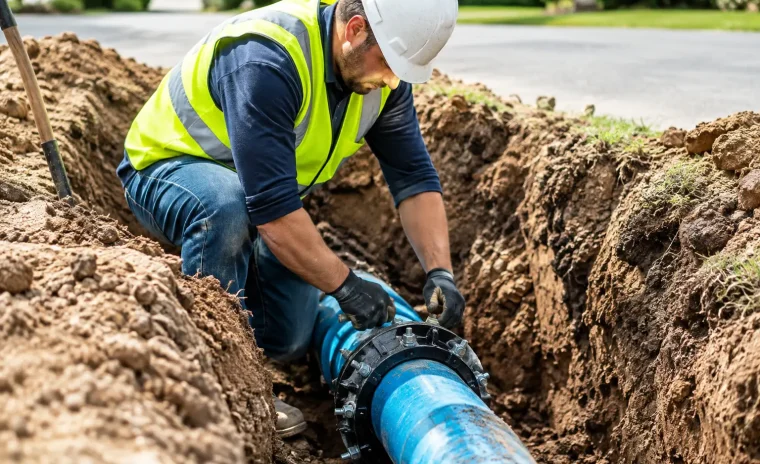
A wet patch that never dries, a water bill that jumps without explanation, or a sudden drop in pressure can point to a leak below ground. So, who repairs underground water lines? In most cases, a licensed plumbing contractor with leak detection and water-line repair experience is the right call. The job is not simply about digging to find a pipe. It requires locating the failure accurately, determining who owns that section of line, and choosing a repair that will hold up under Arizona soil conditions and daily water use.
For Tucson-area homeowners and property managers, acting early can limit wasted water, landscape damage, foundation concerns, and disruption to normal operations. A dependable plumber should explain what they found, give clear options, and repair the actual source of the problem rather than patching a symptom.
Who Repairs Underground Water Lines?
A plumbing contractor typically repairs underground water lines on private property. This can include the water service line running from the meter toward a home or building, the main line supplying a commercial property, and buried branch lines serving irrigation, detached structures, or outdoor fixtures.
The precise responsibility depends on where the break occurs. The utility company generally maintains its equipment and the public side of the system, while the property owner is usually responsible for the line on the private side of the meter. There can be exceptions, especially with shared lines, easements, multifamily properties, and commercial sites. A qualified plumber can help identify the likely ownership boundary, but the local water provider has the final word on its portion of the system.
Not every excavation contractor is equipped to diagnose and repair a pressurized water line correctly. Likewise, a general handyman is not the right fit for a buried leak that may require permits, pressure testing, pipe replacement, and safe excavation practices. Look for a licensed, insured plumbing team that performs underground leak detection and water-service repairs regularly.
Signs You May Have a Buried Water-Line Leak
Underground leaks can stay hidden for a long time because water follows soil paths instead of appearing directly above the broken pipe. The warning signs are often subtle at first.
A continuously moving water meter is one of the clearest signs. Turn off faucets, appliances, ice makers, irrigation, and other water-using equipment, then check the meter. If the leak indicator continues moving, water may be escaping somewhere in the system. This test is helpful, but it does not identify the exact location or confirm whether the leak is indoors, outdoors, or under a slab.
Other common clues include unusually green or soft areas of landscaping, puddles near the meter or foundation, discolored water, low pressure throughout the building, or the sound of running water when everything is off. In Southern Arizona, soil can absorb or redirect water quickly, so the absence of standing water does not rule out a serious leak.
If water is entering the building, pressure has suddenly dropped, or the leak is affecting a business operation, treat it as urgent. Shut off the main water valve if you can do so safely, then call for professional help. Fast action may prevent extensive water loss and property damage.
How a Plumber Finds an Underground Leak
The best repair starts with a reliable diagnosis. Digging based on a guess can damage landscaping, drive up costs, and still miss the failed section of pipe.
A plumber may begin by reviewing the water meter, checking pressure, isolating parts of the plumbing system, and inspecting exposed connections. Depending on the symptoms and pipe layout, leak detection equipment may be used to listen for water movement, trace a line, or narrow down the leak location. The goal is to confirm whether the issue is a single break, a failing connection, corrosion, root intrusion, or a longer section of deteriorated pipe.
For commercial properties, the diagnostic process may also include planning around access, customer traffic, safety requirements, and the need to keep part of the building operational. A good contractor does not rush to recommend full replacement when a targeted repair is appropriate. At the same time, they should be candid when a spot repair is likely to become a repeat problem.
Repair Options Depend on the Pipe Condition
There is no one repair method that fits every underground water line. The right approach depends on pipe material, depth, accessibility, the number of failures, local code requirements, and the condition of the remaining line.
Targeted excavation and spot repair
When testing shows one isolated failure and the surrounding pipe is in good condition, a focused excavation may be the most practical option. The crew exposes the affected section, removes the damaged pipe or fitting, installs compatible materials, and pressure-tests the repair before backfilling.
This option can be cost-effective and keeps work limited to one area. The trade-off is that an older line with widespread corrosion, brittle material, or several previous repairs may fail somewhere else later.
Replacing the water service line
If the existing pipe is aged, undersized, corroded, or leaking in more than one location, replacing the line may offer better long-term value. A new service line can restore consistent pressure and reduce the risk of future excavation for repeated repairs.
Replacement is a larger project, but it can be the smarter choice when the pipe has reached the end of its useful life. Your plumber should explain the proposed route, restoration needs, expected shutdown time, and whether permits or utility coordination are required before work begins.
Trenchless or limited-excavation methods
Some underground water-line projects can be completed with less disruption than a full open trench. The available method depends on the pipe, access points, soil, utility conflicts, and local requirements. Limited excavation can help preserve hardscaping or landscaping in certain situations, but it is not automatically the best or least expensive choice.
A clear estimate should distinguish between diagnosis, repair or replacement, restoration, permits, and any conditions that could affect the final scope. That transparency matters when work takes place beneath concrete, mature landscaping, parking areas, or heavily used commercial spaces.
What to Ask Before Hiring a Contractor
Before authorizing work, ask whether the contractor has confirmed the leak location and whether the line is private-side or utility-side. Ask what repair options are appropriate, why one is recommended, and how they will test the completed work. You should also understand how the site will be protected and what restoration is included after excavation.
For a home, that may mean discussing irrigation lines, trees, patios, and landscaping. For a commercial site, it may mean coordinating work around tenants, deliveries, customer access, or operating hours. Clean workmanship and organized scheduling are not extras when a water-line repair affects the property outside the building.
It is also reasonable to ask about warranty coverage, financing for eligible larger repairs, and what happens if the excavation reveals a different condition than expected. A professional team will not promise that every underground condition can be known in advance, but they will communicate changes before proceeding.
Why Delaying an Underground Water-Line Repair Costs More
A small leak does not always stay small. Pressurized water can erode soil, undermine pavement or walkways, saturate areas near a foundation, and create favorable conditions for additional pipe movement. The water bill can rise month after month while the damage remains out of sight.
For businesses, a buried water-line failure can also affect restrooms, food service, cleaning, fire-safety systems, and customer experience. A planned repair is usually less disruptive than waiting for a full break or loss of service.
Acclaimed Drain And Plumbing Solutions LLC approaches underground water-line problems by identifying the root cause, explaining the available options, and completing repairs built for dependable performance. With more than 20 years of experience, the focus is on restoring reliable water flow without leaving customers guessing about the work ahead.
Frequently Asked Questions
Can a plumber repair a water line between the meter and the house?
Yes. If that section is on the private side of the water meter, it is commonly the property owner’s responsibility and can be repaired or replaced by a qualified plumbing contractor. The contractor can help determine the line route and coordinate the needed steps before excavation.
Will homeowners insurance cover an underground water-line leak?
Coverage varies widely by policy and by the cause of the damage. Some policies may help with certain resulting damages but not the failed pipe itself. Contact your insurer before repairs when possible, and keep photos, estimates, and diagnostic findings for your records.
How long does an underground water-line repair take?
A straightforward spot repair may be completed in one day, while a full replacement can take longer depending on access, permits, utility locating, depth, restoration, and unexpected site conditions. Accurate diagnosis and a clear scope help avoid unnecessary delays.
If you suspect a buried leak, do not wait for the ground to become saturated or the water pressure to disappear. A prompt inspection gives you the best chance to protect your property, control water loss, and choose a repair that is done right.