Claim Your Free Estimate Today
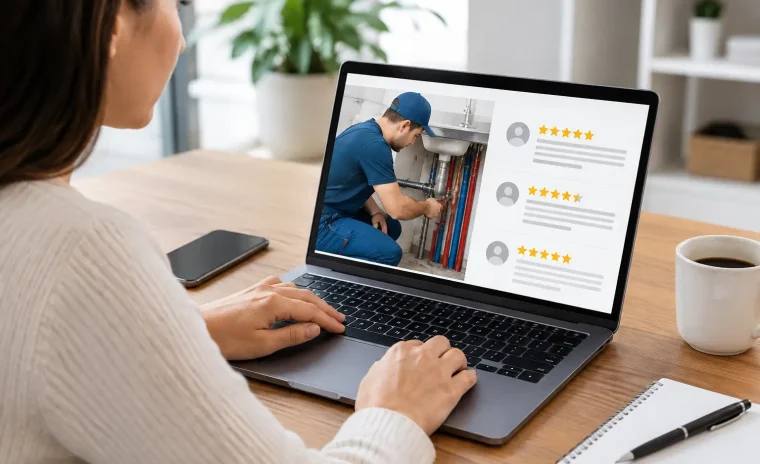
A five-star rating can look reassuring until you realize the review only says, “They were nice.” When you are considering a whole-home pipe replacement, repiping contractor reviews should tell you more than whether a technician arrived on time. They should help you judge how a contractor diagnoses aging pipes, manages a large project inside an occupied property, explains costs, and stands behind the work after the walls are closed.
Repiping is not a minor service call. It can affect water pressure, water quality, drywall, fixtures, daily routines, and the long-term value of a home or commercial property. The right contractor review pattern gives you useful evidence about what the job will actually be like.
What Good Repiping Contractor Reviews Reveal
The most helpful reviews describe the problem, the work performed, and the result. Look for details such as recurring slab leaks, rusty or discolored water, low pressure, failing galvanized lines, pinhole leaks in copper, or repeated repairs that no longer made financial sense. Specifics show that the customer is describing a real plumbing project rather than leaving a generic endorsement.
Pay close attention to whether reviewers mention an inspection or explanation before work began. A dependable plumbing contractor should identify the condition of the existing system, discuss practical replacement options, and explain why repiping is recommended instead of continuing with isolated repairs. There are times when a localized repair is the sensible choice. If leaks are limited to one accessible section and the rest of the piping is in good condition, a full repipe may not be necessary. Reviews that describe clear options are often more meaningful than reviews that only praise a quick sale.
Strong feedback also mentions results that matter after the crew leaves: consistent pressure, reliable hot water, fewer leaks, better flow at multiple fixtures, and confidence that the system is built to last. For commercial properties, look for comments about minimized downtime, coordinated access, and work scheduled around customers, tenants, or business hours.
Look Past the Star Rating
A high overall rating is a useful starting point, but it should not make the decision for you. Read the newest reviews first, then read several older ones. A contractor with a long history of dependable service should show a pattern of communication, workmanship, and follow-through across different types of jobs.
Also read the lower-rated reviews carefully. One unhappy customer does not automatically mean poor work. What matters is whether the complaint involves a serious issue, such as missed appointments, unexpected scope changes, unresolved leaks, property damage, or lack of response after payment. Then look at how the business responded. A professional response is calm, specific, and focused on resolving the concern, not arguing in public.
Be cautious with reviews that are unusually vague, identical in wording, or all posted within a short period. A review does not need to contain plumbing terminology to be credible, but it should sound like an actual customer experience. Details about the estimate, crew conduct, cleanup, schedule, inspection, or final result carry more weight than a string of adjectives.
Search for reviews about the full job, not just the quote
Repiping often involves more than installing new water lines. The project may include opening selected walls or ceilings, rerouting pipe, installing shutoff valves, reconnecting fixtures, testing the system, and coordinating patching or restoration. The exact scope depends on the building layout, pipe material, accessibility, and local code requirements.
That is why reviews about estimates alone are not enough. A low quote can become expensive if it leaves out needed access work, permits, restoration responsibilities, fixture connections, or final testing. Look for customers who describe whether the final scope matched the explanation they received at the beginning.
A good review may mention that the contractor explained what would be opened, how the area would be protected, what cleanup would occur each day, and which restoration items were included or excluded. Those details are not small. They are part of managing a major plumbing project with respect for the property.
Questions to Ask After Reading Reviews
Reviews should help you create better questions for the estimate appointment. Ask the contractor whether they have handled pipe systems similar to yours and what signs led them to recommend repiping. Ask what pipe material they recommend, why it fits your property, and how they will test the completed system.
You should also ask who will perform the work, how long water service may be interrupted, and how the crew will protect floors, furniture, landscaping, and work areas. If walls or ceilings must be opened, get clear information about the restoration plan. Some contractors complete certain repairs directly, while others coordinate or leave cosmetic restoration to a separate trade. Neither approach is automatically wrong, but the scope needs to be understood before the project starts.
For a home with hard water, ask how the new piping system will be protected from future mineral buildup. Southern Arizona water conditions can be tough on plumbing components. A repipe may solve failures caused by worn or deteriorated lines, but water treatment may still be worth discussing to help protect fixtures, water heaters, and new plumbing over time.
For rental, retail, or office properties, ask for a plan that addresses access, tenant communication, water shutoffs, and sanitation. The right plan is not always the fastest plan. It is the one that restores dependable service while limiting unnecessary disruption.
The Signs of a Well-Managed Repipe
The best repiping contractor reviews frequently mention organization because organization protects the outcome. A skilled crew still needs a clear schedule, material coordination, careful access planning, and quality checks before the job is considered complete.
Look for comments that describe respectful technicians, clean workmanship, and clear updates when conditions changed. Older homes can reveal surprises once access is opened. A contractor cannot promise that no hidden condition will ever appear, but they can promise to communicate what was found, explain the available options, and obtain approval before expanding the work.
Reviewers may also mention permits and inspections. Requirements vary by location and project scope, so ask how the contractor will handle the applicable process. Proper permits and inspection coordination can add steps to the schedule, but they help confirm that the work meets local requirements and protect the property owner.
A dependable contractor should pressure-test the new piping, check connections, verify fixture operation, and make sure the system is functioning correctly before leaving. A customer may not describe every test by name in a review, but remarks about thoroughness, final walkthroughs, and no lingering leaks are positive signs.
Why Local Experience Matters in Tucson
Tucson-area properties range from older homes with aging lines to newer buildings dealing with hard-water effects and high daily demand. A contractor familiar with Southern Arizona understands that the right repiping recommendation depends on the pipe condition, water usage, access, and future plans for the property.
Local experience also affects logistics. A crew that works in occupied homes and businesses should know how to organize shutoffs, protect finished spaces, keep the job site orderly, and communicate when service is being restored. At Acclaimed Drain And Plumbing Solutions LLC, that means starting with the underlying pipe condition, providing clear options, and completing the work with durable materials and clean workmanship.
Do not choose solely on a review score or the lowest estimate. Choose the contractor whose reviews, inspection process, written scope, and communication all point in the same direction: a repair plan that is done right and built to reduce repeat failures. A careful decision now can replace years of leak worries with a plumbing system you can rely on every day.