
Claim Your Free Estimate Today

Table of Contents
- How to Choose the Right Water Heater Replacement in 2026
- Top Water Heater Replacement Options Compared
- Average Water Heater Replacement Cost 2026
- Tankless vs Tank Water Heater Cost Comparison
- Energy Efficient Water Heater Rebates 2026
- Sizing Your Replacement: A Simple Method
- Retrofitting Challenges: What to Check Before You Switch
- Conclusion: Making Your Water Heater Replacement Count
- Frequently Asked Questions
Last Updated: September 5, 2026
Choosing a water heater replacement is rarely a simple swap of one tank for another. The decision now involves fuel types, efficiency ratings, rebates, and physical space constraints that didn’t matter a decade ago. With new federal efficiency standards reshaping what is available and the rise of heat pump and tankless technology, homeowners face more options than ever. This guide from Acclaimed Drain And Plumbing Solutions, LLC breaks down the best water heater replacement options 2026 has to offer, along with a practical method for sizing your new unit and navigating the rebates that can offset the cost.
Replacing a water heater is a significant investment, and getting it wrong means living with cold showers or paying for energy you don’t need to burn. The good news is that modern units are dramatically more efficient than models from just ten years ago. The challenge is sorting through the specifications and installation requirements to find the right fit for your household.
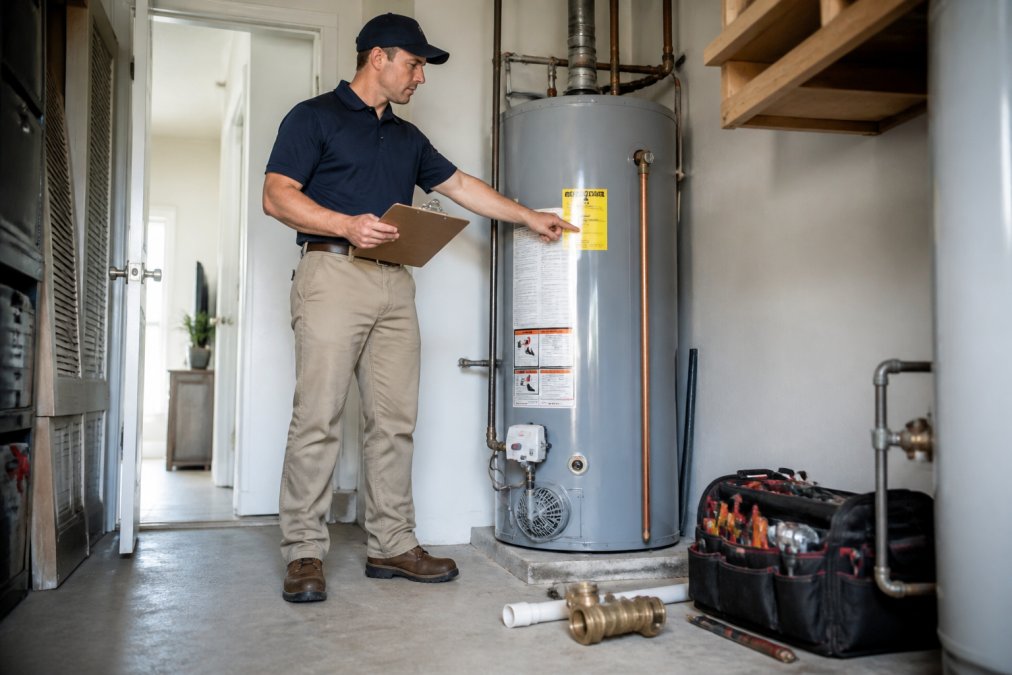
How to Choose the Right Water Heater Replacement in 2026
A water heater replacement is a major purchase that should last 10 to 15 years, so the choice comes down to three factors: fuel type, physical space, and your household’s hot water demand. Gas, electric, heat pump, and tankless units each excel in different situations, and the wrong pick can lead to higher operating costs or constant running out of hot water.
Start by confirming what fuel your home already uses. If you have natural gas lines and venting in place, a gas storage tank or tankless unit is often the most direct replacement. Homes with only electric service should consider a hybrid heat pump model, which moves heat rather than generating it, making it far more efficient than a standard electric tank.
Space is the second constraint. A standard storage tank needs a footprint of roughly 24 inches and clearance for maintenance. Tankless units mount on a wall and free up floor space, which appeals to homeowners reclaiming a utility closet. Check the manufacturer’s clearances for airflow, especially for heat pump models that require significant air circulation to operate efficiently.
Top Water Heater Replacement Options Compared
The market for water heater replacement in 2026 splits into three main categories: traditional storage tanks, tankless on-demand units, and hybrid heat pump models. Each has a clear use case, and the best choice depends on your priorities between upfront cost, energy savings, and longevity.
Storage tank water heaters remain the workhorse of the industry. The Bradford White Residential Gas Water Heater is a professional-grade option widely trusted by plumbers for its durable construction. Its Hydrojet Total Performance System reduces sediment buildup, and the Vitraglas tank lining resists corrosion, which extends the unit’s lifespan. This is the pick for homeowners who want a reliable, traditional replacement without fuss.
Hybrid heat pump models are the efficiency leaders. The Rheem ProTerra Heat Pump Water Heater uses heat pump technology to extract warmth from the surrounding air, making it up to three times more efficient than standard electric models (energy.gov). It includes smart controls for scheduling and multiple operating modes, but it needs adequate space for air circulation and carries a higher upfront price.
Tankless water heaters deliver hot water on demand and never run out. The A.O. Smith Signature Series Tankless Water Heater provides a continuous supply, mounts compactly on a wall, and lasts 20-plus years. It is 24-34% more energy efficient than traditional tanks, but installation can require gas line or venting modifications that raise the project cost (energy.gov).
The State Water Heaters Premier Series offers a dependable mid-range alternative with enhanced insulation and a self-diagnostic control system. It lacks some smart features of higher-end models but delivers consistent performance at a more accessible price point.
| Option | Best For | Key Advantage | Main Tradeoff |
|---|---|---|---|
| Storage Tank | Reliable, simple replacement | Lower upfront cost, proven tech | Shorter lifespan, standby heat loss |
| Hybrid Heat Pump | Energy-conscious households | Up to 3x more efficient | High upfront cost, needs air space |
| Tankless | Space-saving, long-term owners | 20+ year lifespan, on-demand | Costly installation, flow limits |
| Mid-Range Tank | Budget-friendly dependability | Good insulation, self-diagnostics | Fewer smart features |
Average Water Heater Replacement Cost 2026
The total cost of a water heater replacement in 2026 varies widely based on the unit type, labor, and whether you need modifications to gas lines, venting, or electrical service. Tank-style replacements are generally the least expensive option, while tankless and heat pump installations carry higher price tags due to both equipment and labor complexity.
Installation labor is a substantial portion of the total. A straightforward swap of an existing tank in the same location takes less time than a conversion, which may require new venting, a larger gas line, or a dedicated electrical circuit. Homes with older plumbing may also need valve or pipe updates to meet current plumbing code compliance before the new unit can be connected.
Because pricing depends on the specific unit, your home’s configuration, and local labor rates, the most accurate approach is to request a detailed estimate from a licensed plumber. Many companies, including Acclaimed Drain And Plumbing Solutions, LLC, offer free estimates that include an on-site assessment of your current setup and the modifications your chosen unit will require. Get a quote in writing before committing, and confirm whether the estimate covers removal of the old unit and disposal fees.
Tankless vs Tank Water Heater Cost Comparison
The tankless vs tank water heater cost comparison comes down to a simple tradeoff: pay more upfront for long-term efficiency, or save now and accept higher operating costs later. Tankless units typically cost more to purchase and install, but their longer lifespan and reduced energy consumption can make them the more economical choice over 15 to 20 years.
Tank water heaters have a lower purchase price and simpler installation, which keeps the initial project cost down. The tradeoff is standby heat loss, where the unit continuously reheats water in the tank even when no one is using it. This adds to annual operating costs, and the tank itself has a shorter lifespan, typically 10 to 15 years, before corrosion or sediment buildup forces another replacement.
Tankless units eliminate standby losses entirely by heating water only when a tap opens. They last 20 years or more, which means many homeowners will replace a tank unit twice in the time one tankless unit serves them. The catch is that tankless installation often involves venting requirements and gas line upgrades that add to the upfront cost, and very large households may need a higher BTU output unit to keep up with simultaneous demand.
Key Takeaway
If you plan to stay in your home for more than ten years, the tankless vs tank water heater cost comparison usually favors tankless despite the higher installation price. The energy savings and extended lifespan offset the upfront difference.
If you plan to stay in your home for more than ten years, the tankless vs tank water heater cost comparison usually favors tankless despite the higher installation price. The energy savings and extended lifespan offset the upfront difference.
Energy Efficient Water Heater Rebates 2026
Energy efficient water heater rebates 2026 programs can significantly reduce the cost of upgrading to a qualifying unit. The Inflation Reduction Act established federal tax credits for energy-efficient home improvements, and water heaters that meet specific efficiency thresholds are eligible for these incentives.
At the federal level, homeowners can claim a tax credit for qualifying heat pump water heaters, which must meet the criteria set by the Energy Star program. The credit applies to the unit cost and installation, up to the statutory limit for the year. State and local utility companies often layer additional rebates on top of federal credits, which can stack to cover a meaningful portion of the project.
Pro Tip
Check the [Database of State Incentives for Renewables and Efficiency](https://programs.dsireusa.org/system/program) for programs in your area before purchasing. Many rebates require the unit to be installed by a licensed professional and the paperwork filed within a specific window, so confirm the requirements before you buy.
Check the [Database of State Incentives for Renewables and Efficiency](https://programs.dsireusa.org/system/program) for programs in your area before purchasing. Many rebates require the unit to be installed by a licensed professional and the paperwork filed within a specific window, so confirm the requirements before you buy.
To claim these incentives, keep the manufacturer’s certification statement and the itemized receipt from your installer. The unit must be Energy Star certified, and the installation must meet all applicable codes. A licensed plumber can confirm your chosen model qualifies and help you document the installation for the rebate claim.
Sizing Your Replacement: A Simple Method
Sizing a water heater replacement is not about the physical height of the tank. It is about matching the unit’s output to your household’s peak hot water demand, measured in gallons per minute for tankless units or first-hour rating for storage tanks.
For a storage tank, the first-hour rating tells you how much hot water the unit can deliver in an hour starting from a full tank. A simple method is to estimate your peak hour demand: count the fixtures likely to run simultaneously during your busiest morning. A typical shower uses about 2 gallons per minute, a washing machine about 2 gallons per minute, and a dishwasher about 1.5 gallons per minute. Add up the flow rates for the fixtures running at once, multiply by the minutes they run, and that number is your target first-hour rating.
For tankless units, the calculation is based on flow rate and incoming water temperature. Add the gallons per minute of every fixture you might run at the same time, then check the unit’s specification for the flow rate it can sustain at your region’s groundwater temperature. In colder climates, the incoming water requires more BTU output to raise it to your set temperature, which reduces the unit’s effective flow rate.
| Household Size | Storage Tank Capacity | Tankless Flow Rate |
|---|---|---|
| 1-2 people | 30-40 gallons | 3-5 GPM |
| 3-4 people | 40-50 gallons | 5-7 GPM |
| 5+ people | 50-80 gallons | 7-10 GPM |
Watch Out
Undersizing is the most common mistake in water heater replacement. A unit that is too small will run out of hot water during peak demand, and no amount of maintenance can fix a capacity problem. When in doubt, size up.
Undersizing is the most common mistake in water heater replacement. A unit that is too small will run out of hot water during peak demand, and no amount of maintenance can fix a capacity problem. When in doubt, size up.
Retrofitting Challenges: What to Check Before You Switch
Switching from one water heater type to another is rarely plug-and-play. Retrofitting challenges can turn a simple replacement into a multi-day project if your home’s infrastructure is not ready for the new unit.
If you are moving from a storage tank to a tankless unit, the gas line may need to be upsized to deliver the higher BTU output the tankless burner requires. The venting system also changes, often requiring a new stainless steel vent that can handle the exhaust temperatures. Electric tankless units may need a dedicated circuit with higher voltage requirements than your current panel provides.
Heat pump water heaters need adequate air volume around the unit to function. They pull heat from the surrounding air, so installing one in a cramped closet without proper ventilation will force the unit to work harder and reduce its efficiency. Some installations require a condensate drain line and may need a floor drain or pump to handle the moisture the unit removes from the air.
Water quality also affects your replacement choice. Homes with hard water will see faster scale buildup inside tanks and on heating elements, which shortens the unit’s lifespan. An anode rod replacement every few years can extend the life of a storage tank, and a water softener can reduce the mineral load on any type of heater. A licensed plumber can test your water and recommend whether a filtration or conditioning system is worth adding before the new heater goes in.
Conclusion: Making Your Water Heater Replacement Count
A water heater replacement is a 15-year decision, so the extra time spent on sizing, efficiency ratings, and installation planning pays off in lower utility bills and fewer cold showers. The best water heater replacement options 2026 offers range from dependable storage tanks to space-saving tankless units and highly efficient heat pump models, and the right choice depends on your home’s fuel source, your household size, and your budget.
What most guides miss is that the installation is as important as the unit itself. Poor venting, undersized gas lines, or improper clearances can undermine even the best equipment. That is why working with a licensed plumber who handles water heater repair and installation daily matters. At Acclaimed Drain And Plumbing Solutions, LLC, we provide free estimates, handle the permitting and code compliance, and stand behind the workmanship. Our team also offers financing options for eligible projects and a maintenance membership program to keep your new unit running efficiently for years.
Frequently Asked Questions
What is the best hot water heater to buy in 2026?
The best choice depends on your home and priorities. For maximum energy savings, a hybrid heat pump model like the Rheem ProTerra is up to three times more efficient than standard electric tanks. For continuous hot water and a 20+ year lifespan, a tankless unit like the A.O. Smith Signature Series is a strong option. If you want a durable, professional-grade storage tank, the Bradford White Residential Gas Water Heater is a trusted choice. A licensed plumber can help you match the right type to your household’s hot water demand.
Are tankless water heaters worth the investment in 2026?
Tankless units are 24-34% more energy efficient than traditional tanks and last 20+ years, which offsets their higher upfront cost over time. They also provide continuous hot water on demand. However, they can have flow rate limitations in very large homes and often require higher installation costs due to gas line or venting modifications. If your household doesn’t exceed the unit’s gallons per minute capacity, the long-term utility savings and lifespan make it a worthwhile water heater replacement option for many homes.
How do I know when it is time to replace my water heater?
Most storage tank water heaters last 8-12 years. If yours is approaching that age, shows signs of rust in the hot water, or makes rumbling noises from scale buildup, replacement is often more cost-effective than repair. Other signs include visible leaks around the tank base or inconsistent water temperatures. A sudden loss of hot water or a failing anode rod are also clear indicators. If you notice any of these issues, have a professional inspect the unit to confirm whether a repair or full replacement is the right move.
What is the average water heater replacement cost in 2026?
The total average water heater replacement cost in 2026 varies widely based on the unit type, labor, and any necessary retrofits. A standard storage tank replacement is generally the most affordable option, while tankless and hybrid heat pump models have higher upfront costs due to the equipment and more complex installation. For an accurate figure, get a free, itemized estimate from a licensed plumber. They can assess your existing setup, including venting and voltage requirements, to provide a firm quote before any work begins.
The cost of a water heater replacement can feel daunting, but the right unit with the right installer pays off in reliability and energy savings. Acclaimed Drain And Plumbing Solutions, LLC brings professional diagnostic equipment, clear communication, and quality workmanship to every job, from routine swaps to complex retrofits. Claim your free estimate today and get a replacement sized and installed correctly the first time.
