Claim Your Free Estimate Today
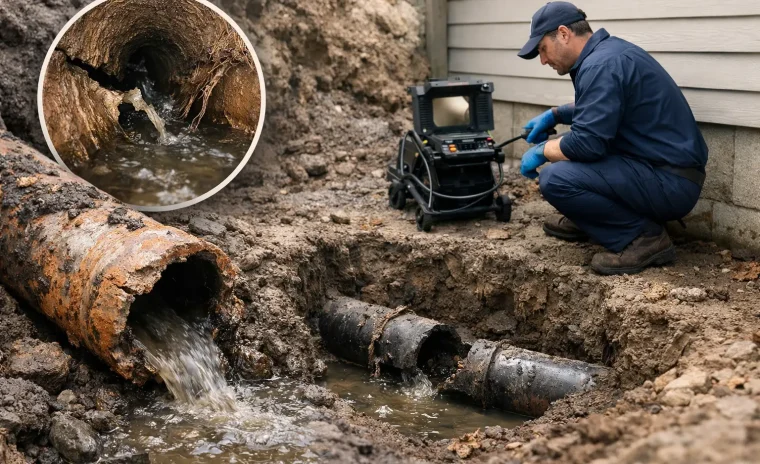
A toilet that bubbles when the washing machine drains is not a minor quirk. Neither is wastewater returning through a shower drain or a foul odor that keeps coming back outside. These are common signs of sewer line damage, and waiting can turn a manageable repair into a sanitation problem, property damage, and an interrupted day.
Your sewer line carries wastewater from every drain in the building to the municipal sewer or septic system. When that main line is cracked, blocked, offset, invaded by roots, or deteriorating, the whole plumbing system can begin to react. The key is separating a one-fixture clog from a main sewer problem before the backup gets worse.
1. Multiple Drains Are Slow at the Same Time
One slow bathroom sink can be caused by hair, soap residue, or buildup near that fixture. But when the kitchen sink, shower, tub, and toilets are all draining slowly, the restriction may be farther down the system in the main sewer line.
Pay attention to whether the issue affects drains on different sides of the building. If several fixtures share the same sluggish behavior, especially after heavy water use, do not assume a store-bought drain cleaner will solve it. Chemical cleaners can damage some pipe materials and rarely address roots, collapsed pipe sections, or a blockage deep in the line.
2. Toilets Gurgle, Bubble, or Change Water Level
A healthy sewer system moves wastewater away while allowing air to circulate through the plumbing vent system. When a sewer line is obstructed, air may be forced back through nearby fixtures. That can make a toilet gurgle, create bubbles in the bowl, or cause the water level to rise and fall unexpectedly.
This symptom is especially concerning when it happens after running a washing machine, draining a tub, or using a dishwasher. Those appliances release a large amount of water quickly. If the main line cannot handle that flow, the pressure often shows up at the lowest or nearest fixture.
3. Sewage Backs Up Into a Tub, Shower, or Floor Drain
This is one of the clearest signs of sewer line damage and one that calls for prompt professional help. When wastewater comes up through a shower, tub, floor drain, or toilet, the line has likely become blocked or severely restricted downstream of those fixtures.
Stop using water immediately. Do not flush toilets, run the dishwasher, take a shower, or start another load of laundry. Every gallon sent into the drain system may add to the backup. Keep people and pets away from contaminated water, and arrange for sewer diagnosis and cleanup as soon as possible.
For commercial properties, a backup can also create slip hazards, health concerns, and operational downtime. Fast action protects employees, customers, inventory, and the facility itself.
4. Sewer Odors Keep Returning
Wastewater should remain sealed inside the drain and sewer system. A persistent smell similar to rotten eggs, sewage, or damp decay may point to a cracked sewer pipe, a failing seal, a dry drain trap, or a venting issue.
A dry trap can sometimes be corrected by running water into an infrequently used drain. But if odors return after that simple step, or if the smell is strongest outdoors near the sewer route, the system needs closer inspection. In Tucson’s dry climate, an overlooked outdoor cleanout or damaged pipe can allow odors to become more noticeable, particularly during hot weather.
5. Your Yard Has Wet, Sunken, or Unusually Green Areas
A damaged underground sewer line can leak wastewater into the surrounding soil. You may notice damp ground even when irrigation has not run, a soft or sunken area along the sewer route, or a patch of grass that grows faster and greener than the rest of the yard.
Southern Arizona yards vary widely. Some properties have desert landscaping, while others have turf, mature trees, or irrigation systems that make a leak harder to spot. That is why the pattern matters. A new wet spot, unexplained soil movement, or recurring odor in one area deserves professional evaluation rather than guesswork.
6. Tree Roots Keep Causing Drain Problems
Roots naturally seek moisture, and even a small joint gap or crack can attract them. Once roots enter a sewer pipe, they can spread inside the line and catch toilet paper, grease, and other debris. The result is a blockage that may return even after a basic drain clearing.
Root intrusion does not always mean the entire line must be replaced. It depends on the pipe material, the condition of the joints, the amount of damage, and whether the pipe still has proper slope. Hydro jetting may restore flow in some cases, while trenchless sewer lining or targeted repair may be the better long-term option when the pipe wall is compromised.
7. Drains Clear Briefly, Then Clog Again
A drain that repeatedly clogs after being snaked may have an underlying pipe problem. The cable may punch through a blockage without removing the buildup or repairing the defect that caused it. Recurring trouble can be caused by roots, grease accumulation, a belly in the pipe, corrosion, pipe scale, or a broken section that catches waste.
This is where camera inspection provides real value. Instead of treating the same symptom every few months, a camera can show the inside condition of the line and help identify the actual cause. Clear findings make it easier to compare repair options and avoid paying for repeated temporary fixes.
8. You Hear Unusual Sounds From Drains and Pipes
Gurgling drains, bubbling fixtures, and strange rushing sounds after water is used can all indicate a drainage or venting problem. On their own, these sounds are not always proof of sewer line failure. A localized clog or vent obstruction can produce similar symptoms.
The concern increases when the noises occur with slow drains, odors, or backups in more than one area. That combination points toward a system-level issue rather than a single fixture problem.
9. An Older Sewer Line Has Never Been Inspected
Some sewer lines fail gradually and show little warning until a major blockage or collapse occurs. Older homes may have cast iron, clay, Orangeburg, or aging galvanized components that are more vulnerable to corrosion, cracking, root intrusion, or deformation over time.
Age alone does not determine whether replacement is necessary. A well-maintained older line may still have usable life, while a newer line can be damaged by settlement, poor installation, or heavy root activity. A sewer camera inspection replaces assumptions with a clear view of the pipe condition.
What to Do When You Suspect Sewer Line Damage
The right response depends on the severity of the symptoms. If sewage is backing up, treat it as urgent. Stop water use, avoid contaminated areas, and call for professional sewer service. If drains are slow or gurgling but no backup has occurred, schedule an inspection before the condition progresses.
A dependable diagnosis usually starts with understanding which fixtures are affected, when the issue occurs, and whether the problem has happened before. From there, a technician may use a sewer camera to locate roots, breaks, offsets, buildup, or collapsed sections. The repair should match the finding, not just the visible symptom.
In some situations, drain cleaning or hydro jetting can restore proper flow. In others, a damaged section needs repair, or trenchless sewer lining may reinforce an aging pipe with less disruption to landscaping and hardscape. There is no one-size-fits-all sewer repair, which is why clear options matter before work begins.
Acclaimed Drain And Plumbing Solutions LLC helps Southern Arizona homeowners and commercial property owners identify the source of sewer trouble, explain practical repair options, and complete work with clean workmanship and long-term performance in mind. A sewer problem is stressful enough. You should not have to wonder whether the repair addressed the real cause.
If your drains are giving you more than one warning sign, act before wastewater finds its way back into your property. Early diagnosis protects your building, your schedule, and the people who depend on the space every day.