Claim Your Free Estimate Today

Table of Contents
- Trenchless Pipe Lining vs Traditional Excavation: Quick Comparison
- What Is Trenchless Pipe Lining?
- How Traditional Excavation Works
- Trenchless Sewer Repair Cost and Budget Considerations
- How Long Does Trenchless Pipe Lining Last?
- Sewer Camera Inspection Process and Diagnostics
- Which Method Is Right for Your Property?
- Conclusion
- Frequently Asked Questions
Last Updated: August 23, 2026
Trenchless Pipe Lining vs Traditional Excavation: Quick Comparison
When your sewer line fails, you face a critical decision: trenchless pipe lining or traditional excavation. At Acclaimed Drain And Plumbing Solutions, LLC, we help homeowners and property managers understand both approaches so they can choose the method that fits their situation. The difference between these two repair methods affects your timeline, your landscaping, and the long-term durability of your plumbing infrastructure.
Trenchless pipe lining uses advanced technology to rehabilitate failing pipes without excavating your yard. Traditional excavation requires digging trenches to access and replace damaged sewer lines. Each method has distinct advantages and limitations depending on your pipe condition, soil type, and property layout.
:::verdict
Choose trenchless pipe lining if your pipes are structurally intact but have leaks, root intrusion, or minor cracks. Choose traditional excavation if your pipes are severely collapsed, require complete replacement, or if soil conditions make trenchless technology unfeasible. For most homeowners with accessible sewer lines and moderate damage, trenchless repair offers faster turnaround and less property disruption.
:::
What Is Trenchless Pipe Lining?
Trenchless pipe lining rehabilitates damaged sewer pipes by inserting a resin-coated fabric liner into the existing pipe without excavation. The process hardens in place, creating a new structural layer inside the old pipe.
The most common trenchless technology is cured-in-place pipe (CIPP). A technician inserts a felt tube coated with epoxy resin into your damaged sewer line through existing access points. Steam or UV light hardens the epoxy, forming a durable new pipe within the old one. This approach works for pipes with leaks, root intrusion, corrosion, or small cracks, but not for completely collapsed lines.
Another trenchless method is pipe bursting, which breaks apart the old pipe while simultaneously pulling a new pipe into place. Pipe bursting works well for lateral service lines and main lines that are severely damaged but still partially intact.
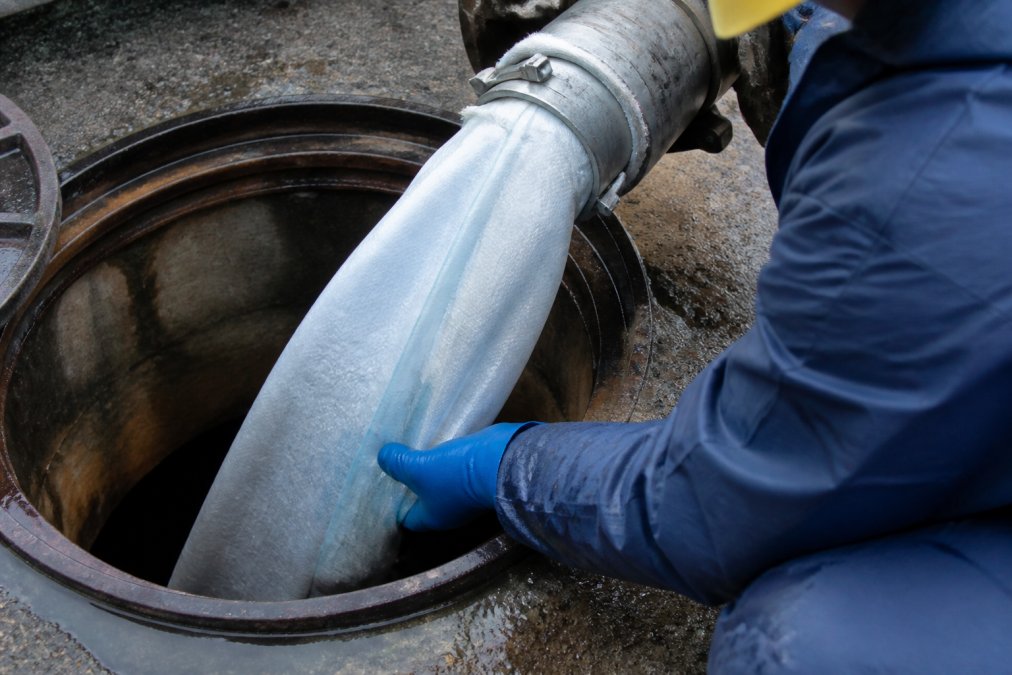
Technicians need only small openings, typically existing cleanout ports or minimal excavation at access points, to reach the damaged section. Your driveway, landscaping, and patio remain largely undisturbed. The process typically takes 1-3 days depending on pipe length and complexity (peer-reviewed research).
Trenchless repair prevents leaks and root intrusion by sealing the entire interior surface of the pipe. The new liner blocks future root penetration and improves flow capacity with a smooth epoxy coating that reduces friction.
However, trenchless technology has real limits. If your pipe is completely collapsed, if there are multiple severe breaks, or if the pipe has shifted significantly, trenchless lining won’t work. Additionally, trenchless repair works best on pipes with a clear path from access point to the damaged section. Sharp bends or severe deformation can prevent the liner from reaching the problem area.
How Traditional Excavation Works
Traditional excavation, also called dig-and-replace, involves digging trenches to physically access the damaged pipe, removing it entirely, and installing a new one.
A crew marks the sewer line’s path using locating equipment or existing records. They excavate a trench deep enough to reach the pipe, typically 3-8 feet depending on your area’s frost line and local codes (the CDC). Once exposed, the old pipe is cut into sections and removed. A new pipe (PVC, clay, cast iron, or other materials) is then laid in the trench, joints are sealed, and the trench is backfilled and compacted.
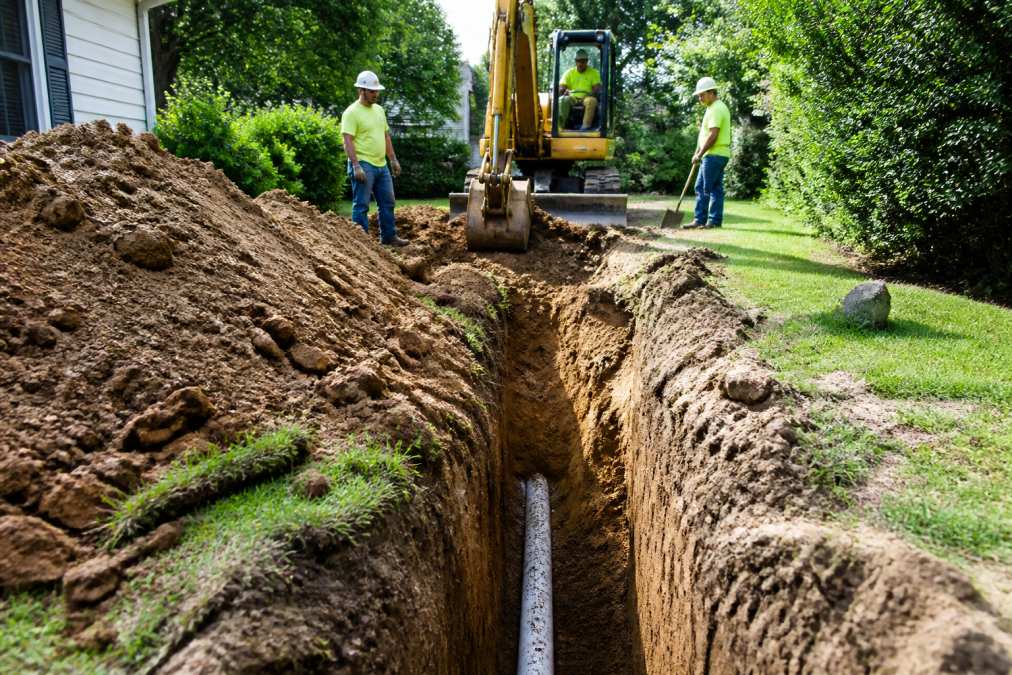
This method is necessary when pipes are completely collapsed, severely broken in multiple places, or when the pipe diameter needs to change. It’s also the only option if the pipe has shifted so far that a liner can’t reach it, or if soil conditions make trenchless technology risky.
The main drawback is disruption. A 50-foot sewer line replacement can mean a 50-foot trench through your yard. If the line runs under your driveway or patio, those surfaces must be cut and removed, then repaired or replaced afterward. Landscaping is destroyed and restoration takes days.
Traditional excavation also requires proper permitting and site preparation. Utility locating is mandatory to avoid hitting gas, electric, water, or communication lines. Depending on your area’s regulations, you may need inspections at multiple stages.
Trenchless Sewer Repair Cost and Budget Considerations
Pricing for both methods depends on pipe length, diameter, damage severity, soil conditions, and local labor rates. Since Acclaimed Drain And Plumbing Solutions, LLC provides free on-site estimates, the best way to understand your specific cost is to request a quote after a sewer camera inspection.
Trenchless pipe lining generally costs less per linear foot than traditional excavation for moderate damage. You avoid heavy equipment rental, extensive labor for digging and backfilling, and property restoration. A typical residential lateral line might cost less with trenchless repair because there’s minimal landscaping disruption to restore.
Traditional excavation costs more upfront due to equipment, labor-intensive digging, and restoration. However, if your pipe is severely damaged or collapsed, excavation may be the only option. Property restoration costs can swing the total significantly. If the sewer line runs under your driveway, excavation requires cutting and replacing concrete, an expensive add-on. Trenchless repair avoids this entirely.
Financing options can make either method more manageable. Many plumbing companies, including Acclaimed Drain And Plumbing Solutions, LLC, offer financing for eligible projects, allowing you to spread costs over time.
The real cost question isn’t “which is cheaper” but “which gives me the best value for my situation.” A slightly higher upfront cost for trenchless repair often delivers better value if it means no driveway replacement, no yard restoration, and faster completion.
How Long Does Trenchless Pipe Lining Last?
Trenchless pipe liners typically last 50+ years, making them a durable long-term solution for most homeowners. The epoxy resin used in CIPP systems is engineered to withstand sewer environments, acidic gases, moisture, root pressure, and shifting soil.
Lifespan depends on installation quality, the pipe material beneath, soil chemistry, and water table conditions. Modern epoxy formulations resist acidic soil and high water tables. Root intrusion is largely prevented by the liner itself, though aggressive roots can eventually penetrate if the seal isn’t perfect.
Maintenance extends lifespan. Regular hydro-jetting removes buildup and prevents blockages that could stress the liner. Periodic sewer camera inspections catch problems early. Most trenchless liners remain functional for the life of the home without intervention.
Traditional excavation with new pipe also lasts 50+ years, often longer with modern materials like PVC. Both methods, when properly installed, provide decades of service.
Sewer Camera Inspection Process and Diagnostics
Before choosing between trenchless pipe lining and traditional excavation, you need accurate diagnostics. A sewer camera inspection determines whether trenchless repair is even possible for your situation.
Claim Your Free Estimate Today →
A technician inserts a waterproof camera on a flexible cable into your sewer line through an access point (usually a cleanout). The camera travels through the pipe, recording video of the interior. The technician watches the live feed on a monitor, noting cracks, breaks, root intrusion, blockages, and structural damage. The video is timestamped and marked with distance measurements so you know exactly where problems occur.
The camera reveals whether your pipe is a candidate for trenchless repair. If the pipe is structurally sound but has leaks or root intrusion, trenchless lining works well. If the pipe is completely collapsed or severely broken in multiple places, you need traditional excavation. If the pipe has shifted or misaligned sections, the technician assesses whether a liner can navigate the path.
A sewer camera inspection also identifies soil conditions and geological factors affecting which trenchless method is feasible. This diagnostic step typically takes 30-60 minutes and is an investment that prevents costly mistakes.
Watch Out
Skipping the sewer camera inspection is a common mistake. Some homeowners try to save money by requesting a quote without diagnostics, then discover mid-repair that the chosen method won’t work. Always insist on a camera inspection before committing to a repair approach.
Skipping the sewer camera inspection is a common mistake. Some homeowners try to save money by requesting a quote without diagnostics, then discover mid-repair that the chosen method won’t work. Always insist on a camera inspection before committing to a repair approach.
Which Method Is Right for Your Property?
Your choice between trenchless pipe lining and traditional excavation depends on five key factors: pipe condition, pipe location, soil conditions, permitting requirements, and your timeline.
Pipe Condition: If your sewer camera inspection shows leaks, root intrusion, or minor cracks in structurally sound pipe, trenchless lining is your best option. If the pipe is completely collapsed, severely broken in multiple places, or has shifted significantly, traditional excavation is necessary.
Pipe Location: If your sewer line runs under your driveway, patio, or other hardscape, trenchless repair saves you thousands in restoration costs. If the line runs through open yard with easy access, the cost advantage shrinks, though the faster timeline and less landscaping disruption remain benefits.
Soil Conditions: Certain soil types affect trenchless feasibility. Clay soil can be problematic for CIPP if water saturation is high. Rocky soil can prevent pipe bursting equipment from functioning. A professional inspection identifies these conditions and recommends the safer approach.
Permitting and Regulations: Some municipalities require full pipe replacement in certain situations. Check with your local building department before deciding. Trenchless repair typically requires fewer permits than excavation.
Timeline: Trenchless repair is faster. Most jobs complete in 1-3 days. Traditional excavation typically takes 5-10 days depending on pipe length, soil conditions, and weather.
| Factor | Trenchless Pipe Lining | Traditional Excavation |
|---|---|---|
| Pipe Condition | Leaks, cracks, root intrusion | Collapsed, severely broken |
| Pipe Location | Under hardscape (cost-effective) | Open yard or necessary replacement |
| Soil Type | Stable, low moisture preferred | Works in most conditions |
| Timeline | 1-3 days | 5-10 days |
| Property Disruption | Minimal | Significant |
| Landscaping Restoration | None or minimal | Extensive |
| Long-term Durability | 50+ years | 50+ years |
| Best For | Moderate damage, minimal disruption | Severe damage, full replacement needed |
A professional diagnostic inspection, including sewer camera footage and soil assessment, removes guesswork. Acclaimed Drain And Plumbing Solutions, LLC provides free estimates after a thorough evaluation, ensuring your choice is based on your actual pipe condition.
Pro Tip
Request the sewer camera video recording from your inspection. Having timestamped footage of your specific pipe damage helps you understand exactly what you’re paying to repair and why one method is recommended over the other.
Request the sewer camera video recording from your inspection. Having timestamped footage of your specific pipe damage helps you understand exactly what you’re paying to repair and why one method is recommended over the other.
Conclusion
Trenchless pipe lining and traditional excavation aren’t interchangeable options; they’re solutions for different problems. Trenchless repair excels when your pipes have moderate damage but are structurally sound, and when minimizing property disruption matters. Traditional excavation is necessary when pipes are severely damaged, completely collapsed, or when full replacement is required.
The right choice depends on your specific pipe condition, property layout, and local regulations. A sewer camera inspection and professional assessment reveal which method actually works for your situation and which represents the best value.
If you’re experiencing sewer backups, slow drainage, or recurring plumbing problems, Acclaimed Drain And Plumbing Solutions, LLC can evaluate your system with a free on-site estimate. We’ll perform a sewer camera inspection, assess your soil conditions, explain your options clearly, and recommend the repair method that restores steady flow and prevents future leaks and root intrusion. Our 24/7 emergency service means we’re ready when you need us.
EPA guidance on sewer system maintenance and repair
Claim Your Free Estimate Today and get a clear picture of your sewer line’s condition and the best path forward.
=== FAQ ANSWERS (audit these too, same rules) ===
[1] Q: Is trenchless pipe repair more expensive than traditional excavation?
A: Cost depends on pipe diameter, damage extent, and soil conditions. Trenchless pipe lining typically costs less upfront for lateral lines and smaller jobs, but pricing varies significantly by project. Traditional excavation may cost more due to landscaping restoration and longer labor hours. Request a free estimate from a licensed plumber to compare actual costs for your specific situation.
[2] Q: What is the typical lifespan of trenchless pipe lining?
A: Cured-in-place pipe (CIPP) liners typically last 50+ years when properly installed. The epoxy resin hardens to form a durable pipe within the existing pipe, restoring structural integrity and flow capacity. Lifespan depends on pipe material, water quality, and installation quality. A professional sewer camera inspection before lining ensures the pipe is suitable for this repair method.
[3] Q: Can trenchless lining fix a completely collapsed sewer pipe?
A: No. Trenchless pipe lining works best for pipes with partial damage, root intrusion, or cracks. Completely collapsed pipes or severely deteriorated sections require traditional excavation and pipe replacement. A sewer camera inspection identifies the damage extent and determines whether your pipe qualifies for trenchless rehabilitation or needs full replacement.
[4] Q: Does trenchless repair require a permit in my area?
A: Yes, most jurisdictions require permits for sewer line repair, including trenchless methods. Permit requirements vary by location and depend on whether the work affects the main sewer line or lateral service line. A licensed plumbing contractor handles permit applications and ensures work meets local codes and regulations. Contact your local building department or ask your plumber about permit needs for your project.
Frequently Asked Questions
Q: Is trenchless pipe repair more expensive than traditional excavation?
A: Cost depends on pipe diameter, damage extent, and soil conditions. Trenchless pipe lining typically costs less upfront for lateral lines and smaller jobs, but pricing varies significantly by project. Traditional excavation may cost more due to landscaping restoration and longer labor hours. Request a free estimate from a licensed plumber to compare actual costs for your specific situation.
Q: What is the typical lifespan of trenchless pipe lining?
A: Cured-in-place pipe (CIPP) liners typically last 50+ years when properly installed. The epoxy resin hardens to form a durable pipe within the existing pipe, restoring structural integrity and flow capacity. Lifespan depends on pipe material, water quality, and installation quality. A professional sewer camera inspection before lining ensures the pipe is suitable for this repair method.
Q: Can trenchless lining fix a completely collapsed sewer pipe?
A: No. Trenchless pipe lining works best for pipes with partial damage, root intrusion, or cracks. Completely collapsed pipes or severely deteriorated sections require traditional excavation and pipe replacement. A sewer camera inspection identifies the damage extent and determines whether your pipe qualifies for trenchless rehabilitation or needs full replacement.
Q: Does trenchless repair require a permit in my area?
A: Yes, most jurisdictions require permits for sewer line repair, including trenchless methods. Permit requirements vary by location and depend on whether the work affects the main sewer line or lateral service line. A licensed plumbing contractor handles permit applications and ensures work meets local codes and regulations. Contact your local building department or ask your plumber about permit needs for your project.