
Claim Your Free Estimate Today
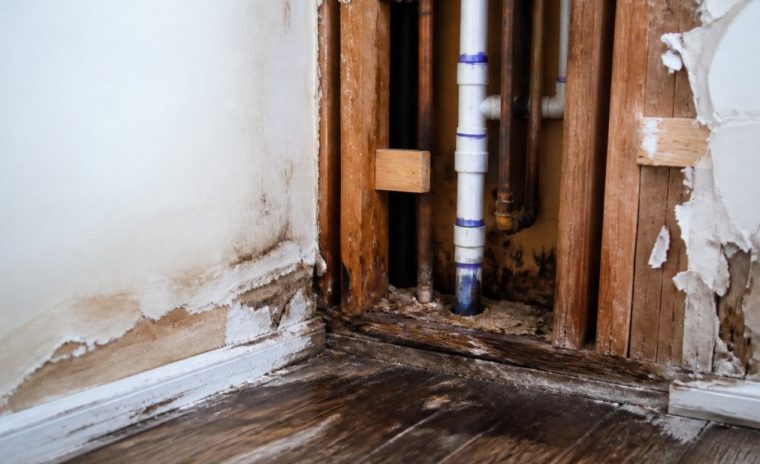
Table of Contents
- 1. Unexplained Spikes in Your Water Bill
- 2. How to Check Your Water Meter for Leaks
- 3. Why Is My Water Pressure Low? What It Says About Hidden Water Pipe Leaks
- 4. Water Stains, Musty Odors, and Other Indoor Signs of Hidden Water Pipe Leaks
- 5. Water Leak Detection Tools You Can Use (and What Pros Carry)
- 6. Slab Leaks vs. Wall Leaks: How the Warning Signs Differ
- 7. When to Call a Professional (and How to Document for Insurance)
- Frequently Asked Questions
Last Updated: September 12, 2026
1. Unexplained Spikes in Your Water Bill
A sudden jump in your monthly water bill is often the first sign of hidden water pipe leaks. When water escapes underground or inside a wall, it still registers on your meter. You pay for every drop, whether it reaches your faucet or soaks into the soil beneath your home.
Most homeowners notice the cost before they notice anything else. The leak itself stays invisible: behind drywall, under a concrete slab, or beneath the yard. That is what makes this problem so expensive to ignore. A small, steady drip can waste thousands of gallons over a billing cycle, and by the time you spot visible damage, the moisture has already been spreading for weeks (the EPA).
At Acclaimed Drain And Plumbing Solutions, LLC, we see this pattern constantly: a bill that doubled, a homeowner who assumed rates went up, and a pipe joint that had been weeping into a slab for a month. Before you blame the utility, rule out a leak. Compare this month’s usage to the same month last year, not last month, since seasonal watering skews the comparison.
Watch Out
Don’t wait for a second high bill to “confirm” the leak. Water damage compounds: a slow leak that costs a little extra this month can undermine a foundation or feed mold growth long before the next statement arrives.
Don’t wait for a second high bill to “confirm” the leak. Water damage compounds: a slow leak that costs a little extra this month can undermine a foundation or feed mold growth long before the next statement arrives.
2. How to Check Your Water Meter for Leaks
The fastest way to confirm a hidden leak is the water meter test, and it takes about two hours. This is the single most useful diagnostic step a homeowner can perform, because it separates a real plumbing leak from a billing error or a running toilet.
First, shut off every water-using fixture in the house: faucets, washing machine, dishwasher, ice maker, and irrigation. Then find your water meter, usually in a concrete box near the curb or against the foundation. Note the reading, wait two hours without using any water, and check it again. If the dial moved, water is flowing somewhere it shouldn’t.
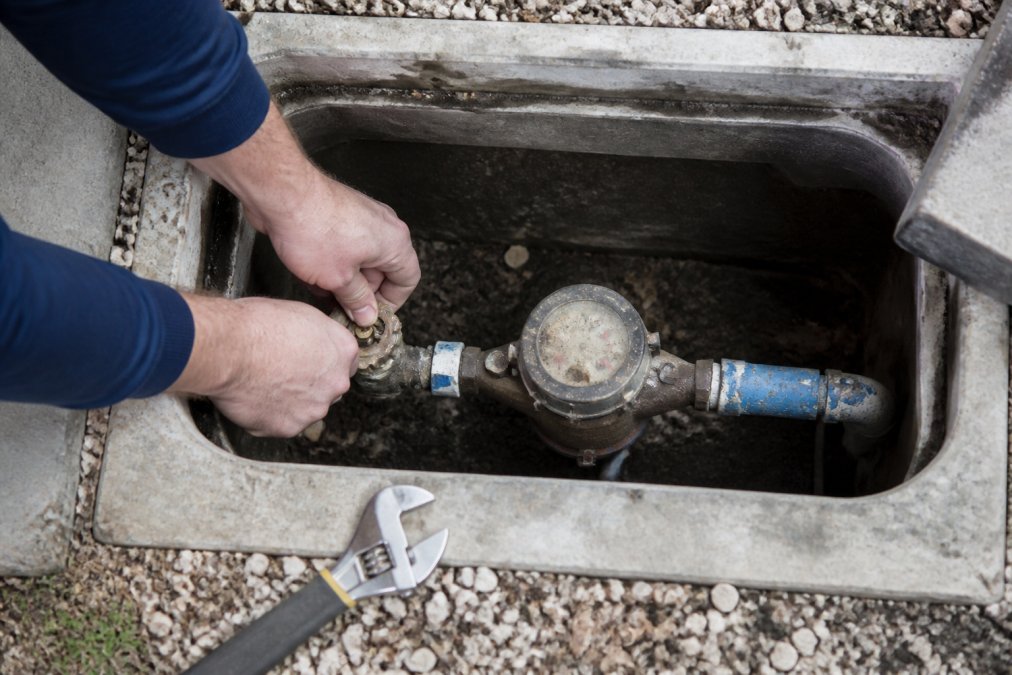
The Two-Hour Meter Test
- Turn off all fixtures, appliances, and irrigation
- Locate the water meter and record the exact reading
- Wait two hours without using any water
- Re-read the meter and compare
- If the dial moved, you have a leak; if it’s still, the issue is likely a fixture or billing error
The EPA’s WaterSense guide to finding leaks recommends this same approach and notes that a steadily moving meter with no water in use points to a leak in the supply line. If the meter stops only when you close the main shut-off valve, the leak is inside the house. If it keeps spinning even with the main closed, the problem is between the meter and your home.
3. Why Is My Water Pressure Low? What It Says About Hidden Water Pipe Leaks
Low water pressure is one of the most reliable signs of hidden water pipe leaks, especially when it drops at every fixture at once. Water that should reach your shower is escaping through a break somewhere in the system, so less of it arrives where you need it.
A single weak faucet usually means a clogged aerator or a failing fixture. Pressure that sags across the whole house tells a different story. Pipe corrosion narrows the inside of aging galvanized lines, and a pinhole leak bleeds off pressure before water ever reaches the tap. If the drop is sudden rather than gradual, suspect an active leak rather than simple buildup. Homeowners in older properties see this most often, and it is one of the clearest reasons to have the system inspected before a small leak becomes a burst pipe.
4. Water Stains, Musty Odors, and Other Indoor Signs of Hidden Water Pipe Leaks
Indoor symptoms are where hidden water pipe leaks become visible, and they cluster in predictable places. Brown or yellow rings on a ceiling, bubbling paint, and peeling wallpaper all point to moisture trapped behind the surface. A musty or damp smell, especially in a basement or cabinet, usually means mildew is feeding on that moisture.
Watch for these indoor signals:
- Water stains or discoloration on ceilings, walls, or floors
- Blistering paint and peeling wallpaper
- A persistent musty smell that returns after cleaning
- Mold or mildew growth along baseboards and corners
- Soft, spongy drywall or a warped floor
One distinction matters here: condensation and leaks are not the same thing. Condensation from a cold pipe or poor ventilation leaves beads of water on surfaces and dries when humidity drops. A leak keeps the area wet regardless of weather and often stains in a spreading pattern. If the dampness never fully dries, treat it as a leak. The CDC guidance on mold and moisture is clear that controlling the water source is the only way to stop mold from returning.
5. Water Leak Detection Tools You Can Use (and What Pros Carry)
You can narrow down a leak with a few inexpensive tools, but pinpointing one inside a slab or wall takes equipment most homeowners don’t own. A moisture meter confirms dampness behind a surface without cutting into it. A thermal imaging camera reveals temperature differences where water is pooling. For pipes, acoustic leak detection listens for the hissing sound of pressurized water escaping a joint.
Claim Your Free Estimate Today →
Smart Home Leak Detection Technology
Smart leak detectors are the biggest change in home plumbing over the past few years. These small devices sit near water heaters, under sinks, and beside washing machines, and they alert your phone the moment they sense moisture. Some connect to a smart shut-off valve that closes the main line automatically when a leak is detected, which can stop water damage while you’re away.
What most guides miss is that these devices catch leaks at the point of contact, not inside a wall or under a slab. They are prevention, not diagnosis. For a leak you can’t see, you still need professional leak detection. Acclaimed Drain And Plumbing Solutions, LLC uses acoustic listening, thermal imaging, and sewer camera inspections to locate the source without tearing your home apart.
| Tool | What It Finds | Best For |
|---|---|---|
| Moisture meter | Dampness behind walls and floors | Confirming a suspected leak area |
| Thermal imaging camera | Temperature differences from pooled water | Scanning large surfaces quickly |
| Acoustic listener | Hissing from pressurized pipe leaks | Locating leaks in walls or slabs |
| Smart leak detector | Moisture at a specific spot | Ongoing prevention and alerts |
6. Slab Leaks vs. Wall Leaks: How the Warning Signs Differ
Slab leaks and wall leaks produce different clues, and telling them apart changes how the repair is approached. A slab leak sits beneath your foundation, where water erodes soil and shifts the ground. A wall leak stays inside a cavity, where it stains drywall and feeds mold.
Slab leaks often show up as a warm spot on the floor, the sound of running water when nothing is on, or new cracks in the foundation as the soil moves. Wall leaks announce themselves with ceiling stains, bubbling paint, and a musty smell near the affected wall. Both drive up your water bill, but a slab leak carries the added risk of foundation settlement and structural damage if it goes unaddressed. Catching the difference early is what keeps a repair from turning into a rebuild.
7. When to Call a Professional (and How to Document for Insurance)
Call a licensed plumber when the meter test confirms a leak you cannot see, when pressure drops house-wide, or when you find foundation cracks, mold, or a warm spot on the floor. These point to leaks inside a slab or wall that DIY tools can flag but not fix.
Document everything for a potential insurance claim. Photograph the meter reading, the stains, and any damaged belongings before repairs begin. Save your water bills showing the spike, and keep a written timeline of when you first noticed each sign. Most policies cover sudden, accidental water damage but exclude long-term seepage, so the record of when the problem started matters. A professional inspection with photo and video documentation gives your insurer a clear, dated account of the damage.
Pro Tip
Ask for the diagnostic findings in writing. A report that names the leak location, the method used to find it, and the affected area carries far more weight with an adjuster than a verbal estimate.
Ask for the diagnostic findings in writing. A report that names the leak location, the method used to find it, and the affected area carries far more weight with an adjuster than a verbal estimate.
A hidden leak rarely announces itself. It shows up as a higher bill, a musty smell, or a floor that stays warm, and by then the moisture has been working for a while. If any of these signs sound familiar, Acclaimed Drain And Plumbing Solutions, LLC can help. Our team offers professional leak detection, 24/7 emergency service with live dispatchers, and free estimates, and we document our findings with photos and video so you know exactly what is happening before any work begins. Get started with Acclaimed Drain And Plumbing Solutions, LLC and claim your free estimate today.
Frequently Asked Questions
How do you tell if you have a hidden water leak?
Start with your water meter. Turn off every fixture inside and outside the house, then watch the meter’s leak indicator or low-flow dial for 15 minutes. If it moves, water is escaping somewhere in the plumbing system. Confirm with a two-hour reading before and after with no water use. Pair that with physical clues like a musty smell, warm spots on the floor, or unexplained bill spikes, and you have strong evidence of a hidden leak worth a professional inspection.
How long can a water leak go unnoticed?
A slow drip inside a wall or under a slab can run for weeks or months before it surfaces. Water follows the path of least resistance, so damage often shows up far from the actual pipe. By the time you see a ceiling stain or smell dampness, the leak has usually been active long enough to soak drywall, insulation, or flooring. That is why a monthly water meter check is the fastest way to catch a hidden leak early.
How does a plumber find a hidden leak?
Plumbers combine several water leak detection tools rather than guessing. Acoustic listening equipment picks up the hissing sound of pressurized water escaping a pipe. Thermal imaging cameras reveal temperature differences behind walls and under slabs. Moisture meters confirm dampness in materials, and pressure testing isolates the affected line. For slab leaks, the process often narrows down to a specific area before any concrete is opened, which limits repair damage.
Can a water leak cause high utility bills?
Yes. A running toilet or a pinhole pipe leak can waste hundreds of gallons per month, and that volume shows up directly on your utility bill. Compare current usage to the same month last year. A jump of 20 percent or more with no change in habits points to a leak. Check the water meter after shutting off all fixtures; if it still spins, the loss is inside your plumbing system, not your usage.
