Claim Your Free Estimate Today
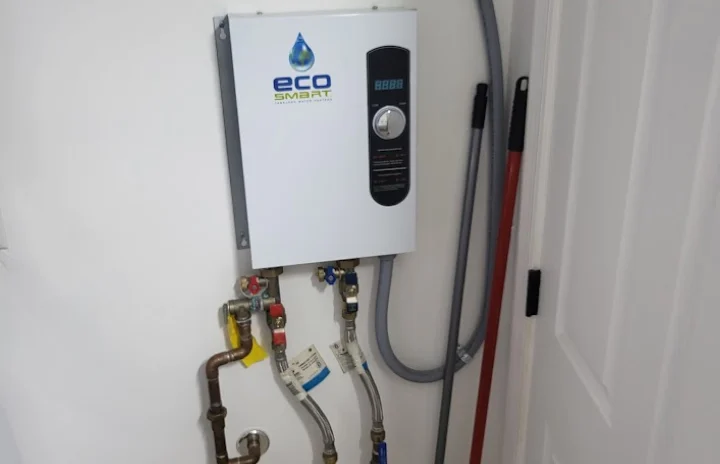
Over time, dirt and minerals can build up in your water heater, settling at the bottom and making it work harder than it needs to. This can lead to rust, erosion, or even bigger problems if left unchecked. Regular maintenance can help your water heater run more efficiently and last longer. A little attention goes a long way in keeping your hot water flowing without the extra strain.
Practical Tips & Advice on Water Heater Maintenance
Flush the Tank Regularly: Flushing your water heater every six months is one of the easiest ways to prevent sediment buildup. Sediment can cause your unit to overheat and reduce its efficiency, which could ultimately shorten its lifespan.
How to Flush the Tank:
- Turn off the power supply or gas valve.
- Attach a garden hose to the drain valve and direct it to a safe location.
- Open the valve and allow the water to drain, removing sediment along with it.
- Refill the tank and check for leaks before restarting the system.
Inspect and Replace the Anode Rod: The anode rod prevents rust from developing in your water heater by attracting corrosive elements into the water. Over time, the rod will corrode, and if it’s not replaced, your tank could start rusting.
How to Inspect and Replace:
- Turn off the water and power supply to the heater.
- Locate the anode rod (usually on top of the tank) and remove it.
- If it’s worn down, replace it with a new one to extend the life of your tank.
Check the Temperature Setting: Setting your water heater to the right temperature can help you save energy and prevent overheating. The recommended temperature is 120°F.
Benefits of Proper Temperature:
- Saves energy and reduces utility costs.
- Prevents scalding and extends the lifespan of your water heater.
- Helps prevent sediment buildup by avoiding overly hot temperatures.
Insulate the Tank and Pipes: Insulating your water heater and the pipes connected to it will help reduce heat loss, ensuring your heater runs more efficiently and keeps water hot for longer.
How to Insulate:
- Use a water heater insulation blanket to wrap the tank.
- Insulate the first 6 feet of hot water pipes to maintain temperature and reduce energy consumption.
Look for Leaks and Signs of Wear: Regularly check your water heater for leaks, strange noises, or signs of wear. These could indicate a bigger issue, such as internal damage, that requires immediate attention.
Signs to Watch For:
- Water around the base of the tank.
- Popping or rumbling noises.
- Temperature fluctuations or inconsistent hot water supply.
Schedule Professional Maintenance: While DIY maintenance is essential, scheduling professional water heater maintenance every 1-2 years can help catch issues early. A qualified technician will perform a thorough inspection and service your unit for optimal performance.
Benefits of Professional Maintenance:
- Early detection of issues that could become costly repairs.
- Efficient cleaning and inspection for hard-to-reach components.
- Ensures your unit stays under warranty.
Simple, regular maintenance can keep your water heater running efficiently for years to come. By flushing the tank, inspecting the anode rod, and setting the proper temperature, you’ll improve the performance and longevity of your water heater. Don’t wait for problems to arise; stay proactive and ensure your home always has reliable hot water or call Acclaimed Drain And Plumbing Solutions, LLC today for professional maintenance and emergency repairs!